Malini Chakrabarty's reflections
Tue, 07 Jul 2026 10:43:32 BST


Superpowers and Milestones. Creating hope and communities.
Wed, 25 Jun 2025 11:41:00 BST










Sustainable Peacebuilding: The Work of Ordinary People
Wed, 11 Dec 2024 16:38:31 GMT





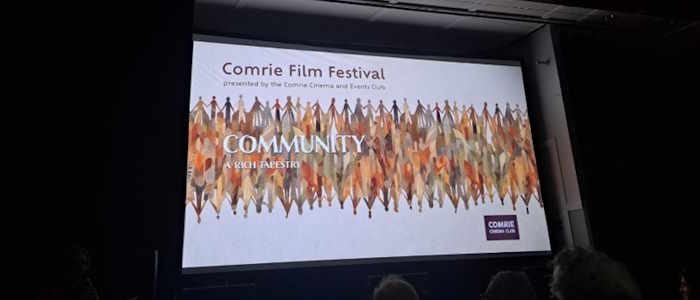


Word Springs Keep Flowing
Tue, 18 Jun 2024 14:13:00 BST
Hope Wang on co-creating the Book of Hope after the 2024 UNESCO RILA Spring School

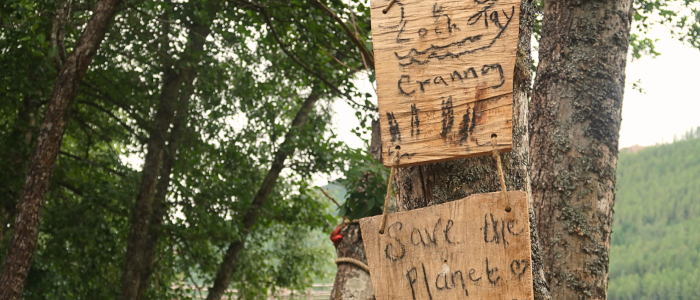
A Story Growing from Traces
Wed, 10 Apr 2024 17:06:15 BST
Hyab Yohannes and Pinar Aksu about their connection with the Scottish Crannog Centre

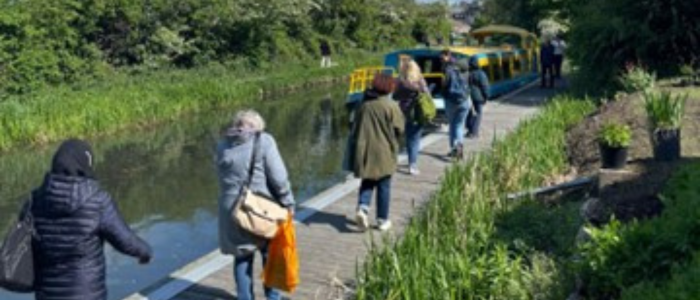
Enhancing ESOL Learning Through Creative Approaches and Outdoor Activities
Thu, 04 Apr 2024 11:56:54 BST
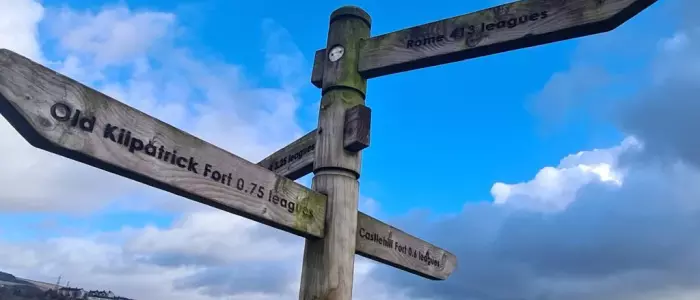




Weaving a New World
Thu, 11 Jan 2024 15:02:40 GMT








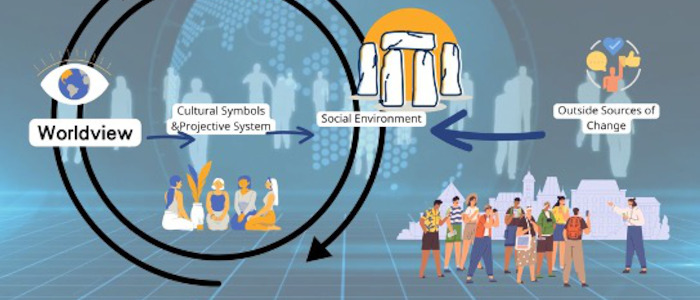
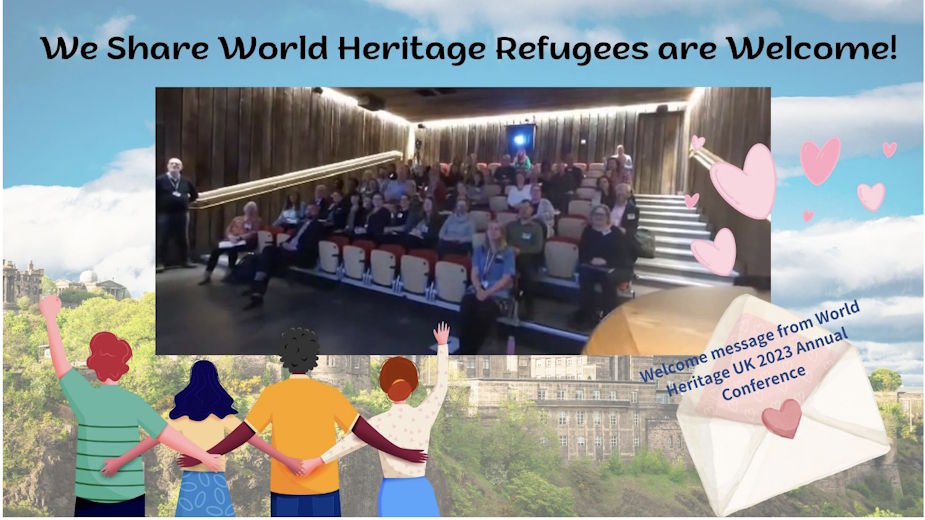
We Are Living Heritage and We Share World Heritage
Wed, 19 Jul 2023 09:41:00 BST




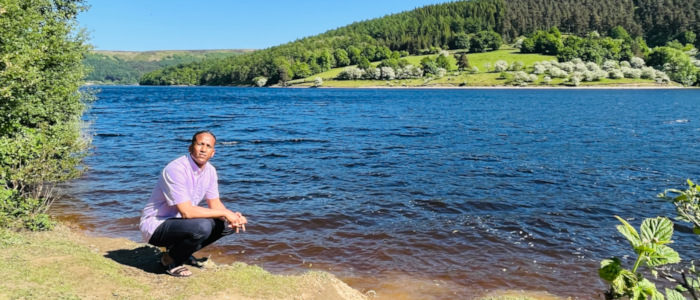

‘Use of intermediaries’ as Decolonisation pt2
Tue, 06 Jun 2023 16:40:00 BST
Tesfalem H Yemane and Hyab T Yohannes continue their conversation
‘Use of intermediaries’ as Decolonisation pt1
Mon, 13 Mar 2023 16:40:00 GMT

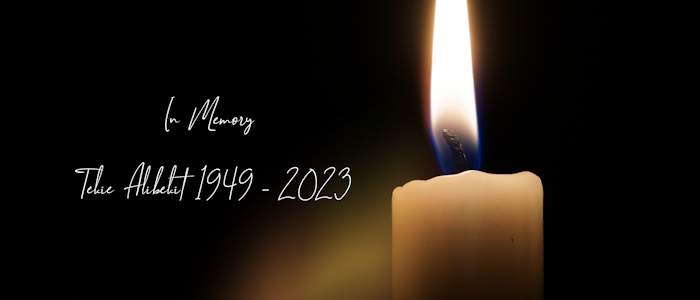
Eulogy for Tekie Alibekit 1949 - 2023
Tue, 31 Jan 2023 14:43:00 GMT
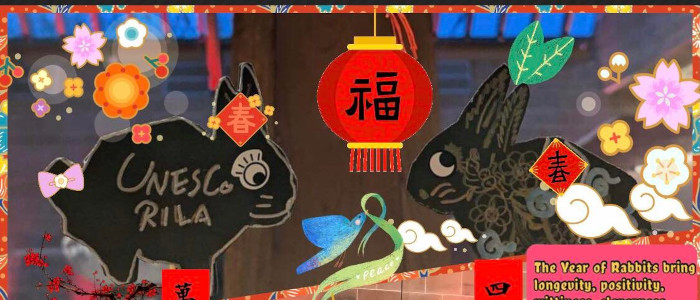
Hi, Glasgow, Happy New year 兔 you!
Wed, 25 Jan 2023 17:44:43 GMT


UNESCO RILA responds to Rwanda judgement
Mon, 19 Dec 2022 22:29:00 GMT
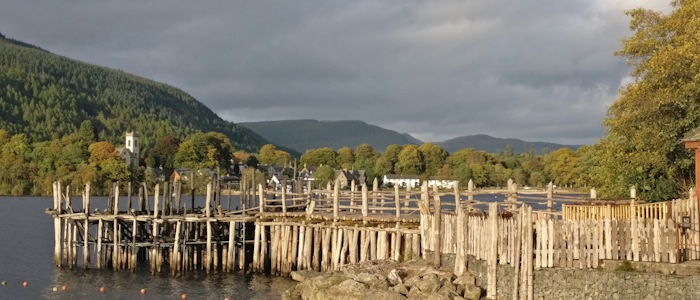
Playing the RoundView at the Scottish Crannog Centre
Wed, 07 Sep 2022 14:54:00 BST


Noyam African Dance Institute Performs at Birmingham Festival 2022
Tue, 09 Aug 2022 16:32:00 BST

Against Capture, Cleansing and Extraction: Towards a New Eco-Social Discourse of Research and Investigation


Seeds of Antiracist Education
Poem by Tawona Sithole for the Building Racial Literacy Programme for Education Scotland (March 2022)
The Nationality and Borders Bill: Benefitting people smugglers at the expense of refugees
Thu, 16 Dec 2021 07:38:00 GMT

Briefing note - Scottish Parliament debate supporting the people of Afghanistan
Thu, 02 Sep 2021 21:16:00 BST
We are all refugees
Mon, 02 Aug 2021 12:58:00 BST
Hyab Yohannes writes on the 70th Anniversary of the Refugee Convention and what it means for today
our squinty house
Thu, 27 May 2021 17:12:00 BST
RSE responds to UK Government asylum system proposed reforms
Advice paper on UK Asylum System Proposed Reforms
Chair: Prof Alison Phipps
Advice paper AD21-04
Communities of Humanitarian Thought
Mon, 17 May 2021 12:20:00 BST







Towards a Vision of Restorative Integration fit for Times of Conflict and Refuge
- Alison Phipps - 28 October 2021
Hyab Yohannes, in his recent blog, introduced the concept of Restorative Integration into the field of refugee integrations studies in the Scottish context:
"Restorative integration is a decolonial process of re-building the unfinished project of humanity that was interrupted by colonisation and coloniality."
This concept is of considerable critical value, enabling a way of diffusing what is something of a stuck debate in academic and also activist and advocacy circles. Integration is a concept beloved of policy makers. In both the European and the UK policy contexts integration does not mean assimilation but it has often been interpreted as such in the mainstream media and through political interpretations of the concept by those wishing integration to mean the same as assimilation.
What this then does is scatter the energy of a field cohering in the #RefugeesWelcome movements into spending time arguing with the nuances and potential definitions at play in the fluid semantics of the term ‘integration.’ People then start to take sides around the concept or to deploy it more or less critically. As a linguist of course my understanding of such conceptual fluidity is based on the research showing that concepts will undergo often rapid semantic change at times of conflict. Worrying about this and seeking better words when social experiences are in solution is not a good use of energy or resource. In time, better concepts will be found as better questions are asked about the wide social, cultural, legal and political context in which integration work is taking place.
It is here that the work Hyab has undertaken on the concept becomes critical as it diffuses the binary nature of such semantic debates and offers a new concept around which future work might begin to coalesce. It offers a way out of thinking about integration as a monolithic concept, or as a task for ‘refugees’ or ‘former offenders’ to undertake but makes the task of producing societies of integrity – integrity being the root word from which the concept of integration is taken – one which is a holistic, whole culture approach.
"The work of restorative integration—the restoration of the primacy of the ‘human’, not only of the citizen, and the preservation of the right to have equal rights—must begin at this point of interruption."
The concept draws intentionally from that of restorative justice. Here we have a field in its infancy methodologically but growing in importance as fraught debates erupt through the instigation of cultural wars and the experiences of many of injustice boiling over into anger and protest. Beyond the protests is the work of dialogue, and intercultural dialogue, in particular. This is work which can only occur productively when in contexts free of conflict or ones work to transform conflict into liveable futures.
We know that the arrival of any form of newness in a place – people, buildings, artworks, new babies, new schools – creates ripple effects and emotion. This is a common human experience and it takes time for the newness to be integrated into the lives of those living in a place. The focus on refugee integration has acknowledged this element of change in the lives of refugees and in the communities where refugees come to live. A change has occurred, and this brings a certain degree of conflict, which requires energy and care to restore to serenity and ordinariness.
In Hyab’s reflections we see a human ecological model of integration and attention emerging which points to those things which humanity has in common as points of meeting and recognition – fragments around which stories can cluster. It doesn’t deny the ways in which conflict occurs but does not have them as the only focus, anymore than the often traumatic experiences of those who have sought asylum are not the focus of the concept. The concept holds within its frame the fact that terrible things have happened to these human beings, and that change has come along with this, and that the work of integration is a restorative one. It does not mean going back but does mean making new lives together from the pieces and through the change.
Alongside this concept of restorative integration rests the work of conflict transformation and peace building. In most of the literature on refugee integration the focus is on instrumentalising service delivery and upholding legal obligations under international law. What is not readily acknowledged is the change and the ripple effects that are real, important and often destabilising to all. That time and energy are needed to make adjustments such that new patterns become normal patterns, and that for those holding the space in which this turbulence and chance is occurring will at times new to rest and restore themselves too.
What are the implications of this as we consider the development of a New Scots Refugee Integration Policy?
- Building a future policy around the concept of Restorative Integration for communities will allow for a holistic approach and acknowledge the work all do to enable change.
- Incorporating a conflict transformational model will place a tried and tested, well researched framework into the Scottish context for sustaining the work of restorative integration.
- A restorative integration framework can provide a basis for a values based and ethical policy of integration and inclusion which is of benefit to all areas of life where people suffer violence and marginalisation, and for working with perpetrators of hostility.
- It means that the context into which people are integrating their lives is not one framed by hostility but by healing.
- It builds on what is Scotland’s founding Cáin Adomnáin Law of the Innocents – one of the first law protecting those who are non-combatants in war, written by Adomnan of Iona in CE 697. It draws on a rich heritage of peace and non-violence, protection and refuge.
- Following Hyab’s own work in his PhD it begins to deal with key implications for both the State and the individual subject in the processes of mending broken links between political and legal integration. For instance, the right to settlement, status, to vote and to citizenship which all have different bearings on integration as restorative or hostile, or normative.
- It is a concept which is capacious enough to allow the fractures in local communities and with incoming people to be addressed through processes of conflict transformation and restorative integration and also for the incoming population and their home countries, whereby transnational restorative integration becomes imaginable, and active. I am thinking here of the main ways in which those with refugee status and settlement are able to begin to advocate through international instruments and from a place of safety, for peace making and transformation for the countries from which they have been exiled.
Prof Alison Phipps, Unesco Chair in Refugee Integration through Languages and the Arts
28 October 2021

Report produced the Comparative Network on Refugee Externalisation Policies (CONREP).
Tue, 02 Aug 2022 11:05:00 BST