

Chemical Photonics
Shaping Life and Technology with Light
Staff
Publications
2026
Haider, A., Kochi, Y., Schulz, A. K., Aoyama, K., Sada, A., Sato, H., Matsumoto, E., Kadodwala, M., Matsuo, K., Inoue, K. (2026) Correlative multimodal framework reveals supramolecular chirality loss preceding fibrillar rarefaction in dermal collagen. ACS Nano, 20, pp. 20747-20760. (doi: 10.1021/acsnano.6c06602)
Koyroytsaltis-McQuire, D. J.P., Chaubey, S. K., Kumar, R., Lalaguna, P. L., Javorfi, T., Siligardi, G., Karimullah, A., Lapthorn, A. J., Tanaka, Y. Y., Hashiyada, S., Gadegaard, N., Kadodwala, M. (2026) Metasurface analogues of molecular diastereomers from hierarchical multiscale chiral interactions with biomolecules. Nature Communications, (doi: 10.1038/s41467-026-72200-6)
Obeten, M. E., Ertekin, Z., Lalaguna, P., Kadodwala, M., Symes, M. (2026) Solution-phase decoupled water electrolysis in a flow cell with a simple size exclusion membrane separator. Fuel, 409, (doi: 10.1016/j.fuel.2025.137740)
Nicolaou, M., Senn, H. M., Gibson, E., Gonzalez Jimenez, M., Vilà-Nadal, L. (2026) DFT meets Bayesian inference: creating a framework for the assignment of calculated vibrational frequencies. Digital Discovery, 5, pp. 592-602. (doi: 10.1039/D5DD00453E)
Fairbairn, N. J., Vodianova, O., Schmidt, B. V.K.J., Hedley, G. J. (2026) Highly efficient exciton-exciton annihilation in single conjugated polymer chains. Nature Communications, 17, (doi: 10.1038/s41467-025-67422-z)
2025
Tabouillot, V., Murad, M., Wilkinson, D., Kumar, R., Lalaguna, P. L., Hajji, M., Karimullah, A., Gadegaard, N., Malfait, A., Woisel, P., Cooke, G., Kadodwala, M. (2025) Optical write-erase chemical memory state in plasmonic nanoarrays. Chemical Science,
Tabouillot, V., Landry, J., González-Jiménez, M., Gadegaard, N., Johannessen, C., Wynne, K., Blanch, E. W., Kadodwala, M. (2025) Pseudo-dichroism: nanophotonic induction of chiroptical activity in symmetric molecular systems. Advanced Optical Materials, 13, (doi: 10.1002/adom.202501152)
Lalaguna, P., Hashiyada, S., Gadegaard, N., Götte, J., Barnett, S., Forbes, K., Tanaka, Y., Kadodwala, M. (2025) Optical activity modulation in chiral metasurfaces via structured light. Nano Letters, 25, pp. 12393-12398. (doi: 10.1021/acs.nanolett.5c03044)
Liao, Z., Das, A., Ahmed, I., Abate, I., MacLaren, I., Beveridge, R., Wynne, K. (2025) Nucleation begins before supersaturation: glassy solute aggregates dominate solution structure. ChemRxiv, (doi: 10.26434/chemrxiv-2025-x4kh4)
Zeng, L., Marshall, O., McGrory, R., Clarke, R., Brown, R. J., Kadodwala, M., Thomson, A. R., Sutherland, A. (2025) Synthesis of fluorescent dibenzofuran α-amino acids: conformationally rigid analogues of tyrosine. Organic Letters, 27, pp. 2475-2479. (doi: 10.1021/acs.orglett.5c00433)
Pazmino Betancourth, M., Boldin, A., Ochoa-Gutierrez, V., Hogg, R. A., Baldini, F., González-Jiménez, M., Wynne, K., Childs, D. (2025) Towards fast quantum cascade laser spectrometers for high-throughput and cost-effective disease surveillance. Spectroscopy Journal, 3, (doi: 10.3390/spectroscj3010008)
2024
Chaubey, S. K., Kumar, R., Lalaguna, P. L., Kartau, M., Bianco, S., Tabouillot, V., Thomson, A. R., Sutherland, A., Lyutakov, O., Gadegaard, N., Karimullah, A. S., Kadodwala, M. (2024) Ultrasensitive Raman detection of biomolecular conformation at the attomole scale using chiral nanophotonics. Small, 20, (doi: 10.1002/smll.202404536)
Giza, M., Kozikov, A., Lalaguna, P. L., Hutchinson, J. D., Verma, V., Vella, B., Kumar, R., Hill, N., Sirbu, D., Arca, E., Healy, N., Milot, R. L., Kadodwala, M., Docampo, P. (2024) Illuminating the devolution of perovskite passivation layers. Small Structures, 5, (doi: 10.1002/sstr.202400234)
Vella, B., Fsadni, M. H., Pope, T., Giza, M., Angus, F. J., Shmarov, I., Lalaguna, P. L., Cariello, M., Wilson, C., Kadodwala, M., Penfold, T., Docampo, P., Cooke, G. (2024) Overcoming the mobility penalty introduced by dipole disorder in small-molecule HTM films. Journal of Materials Chemistry A, 12, pp. 22844-22858. (doi: 10.1039/D4TA00956H)
Kumar, R., Trodden, B., Klimash, A., Bousquet, M., Chaubey, S. K., Fairbairn, N. J., Russell, B. A., Wynne, K., Karimullah, A. S., Gadegaard, N., Skabara, P. J., Hedley, G. J., Movsesyan, A., Hashiyada, S., Govorov, A. O., Kadodwala, M. (2024) Electromagnetic enantiomer: chiral nanophotonic cavities for inducing chemical asymmetry. ACS Nano, 18, pp. 22220-22232. (doi: 10.1021/acsnano.4c05861)
Lalaguna, P. L., Souchu, P., Mackinnon, N., Crimin, F., Kumar, R., Chaubey, S., Sarguroh, A., McWilliam, A., Ganin, A. Y., MacLaren, D. A., Franke-Arnold, S., Götte, J. B., Barnett, S. M., Gadegaard, N., Kadodwala, M. (2024) Spatial control of 2D nanomaterial electronic properties using chiral light beams. ACS Nano, 18, pp. 20401-20411. (doi: 10.1021/acsnano.4c04506)
Liao, Z., Das, A., Robb, C. G., Beveridge, R., Wynne, K. (2024) Amorphous aggregates with a very wide size distribution play a central role in crystal nucleation. Chemical Science, 15, pp. 12420-12430. (doi: 10.1039/D4SC00452C)
Riley, L. M., Marshall, O., Harkiss, A. H., Senn, H. M., Sutherland, A. (2024) Synthesis of β-pyridyl α-amino acids: conformationally sensitive charge transfer-based fluorophores. Organic Letters, 26, pp. 5391-5395. (doi: 10.1021/acs.orglett.4c01951)
Mshani, I. H., Jackson, F. M., Mwanga, R. Y., Kweyamba, P. A., Mwanga, E. P., Tambwe, M. M., Hofer, L. M., Siria, D. J., Gonzalez Jimenez, M., Wynne, K., Moore, S. J., Okumu, F., Babayan, S. A., Baldini, F. (2024) Screening of malaria infections in human blood samples with varying parasite densities and anaemic conditions using AI-Powered mid-infrared spectroscopy. Malaria Journal, 23, (doi: 10.1186/s12936-024-05011-z)
Mwanga, E. P., Kweyamba, P. A., Siria, D. J., Mshani, I. H., Mchola, I. S., Makala, F. E., Seleman, G., Abbasi, S., Mwinyi, S. H., González-Jiménez, M., Wynne, K., Baldini, F., Babayan, S. A., Okumu, F. O. (2024) Reagent-free detection of Plasmodium falciparum malaria infections in field-collected mosquitoes using mid-infrared spectroscopy and machine learning. Scientific Reports, 14, (doi: 10.1038/s41598-024-63082-z)
Sale, H., Ertekin, Z., Lalaguna, P. L., Kadodwala, M., Symes, M. D. (2024) Evaluating the native oxide of titanium as an electrocatalyst for oxalic acid reduction. Chemical Communications, 60, pp. 6003-6006. (doi: 10.1039/D4CC01176G)
Clarke, R., Zeng, L., Atkinson, B. C., Kadodwala, M., Thomson, A. R., Sutherland, A. (2024) Fluorescent carbazole-derived α-amino acids; structural mimics of tryptophan. Chemical Science, 15, pp. 5944-5949. (doi: 10.1039/D4SC01173B)
Cardwell, P. A., Del Moro, C., Murphy, M. P., Lapthorn, A. J., Hartley, R. C. (2024) Human mitochondrial glutathione transferases: Kinetic parameters and accommodation of a mitochondria-targeting group in substrates. Bioorganic and Medicinal Chemistry, 104, (doi: 10.1016/j.bmc.2024.117712)
Mwanga, E. P., Siria, D. J., Mshani, I. H., Mwinyi, S. H., Abbas, S., Gonzalez Jimenez, M., Wynne, K., Baldini, F., Babayan, S. A., Okumu, F. O. (2024) Rapid classification of epidemiologically relevant age categories of the malaria vector, Anopheles funestus. Parasites and Vectors, 17, (doi: 10.1186/s13071-024-06209-5)
Mwanga, E. P., Mchola, I. S., Makala, F. E., Mshani, I. H., Siria, D. J., Mwinyi, S. H., Abbasi, S., Seleman, G., Mgaya, J. N., Gonzalez Jimenez, M., Wynne, K., Sikulu-Lord, M. T., Selvaraj, P., Okumu, F. O., Baldini, F., Babayan, S. (2024) Rapid assessment of the blood-feeding histories of wild-caught malaria mosquitoes using mid-infrared spectroscopy and machine learning. Malaria Journal, 23, (doi: 10.1186/s12936-024-04915-0)
Russell, B. A., Wynne, K. (2024) A method for rheological measurements of air sensitive samples. Review of Scientific Instruments, 95, (doi: 10.1063/5.0169326)
González-Jiménez, M., Liao, Z., Williams, E. L., Wynne, K. (2024) Lifting Hofmeisters curse: Impact of cations on diffusion, hydrogen bonding and clustering of water. Journal of the American Chemical Society, 146, pp. 368-376. (doi: 10.1021/jacs.3c09421)
Koyroytsaltis-McQuire, D. J.P., Kumar, R., Javorfi, T., Siligardi, G., Gadegaard, N., Kadodwala, M. (2024) Tuning dipolar and multipolar resonances of chiral silicon nanostructures for control of near field superchirality. Nanoscale, 16, pp. 110-122. (doi: 10.1039/d3nr05285k)
2023
Russell, B. A., González-Jiménez, M., Tukachev, N. V.,, Hayes, L.-A., Chowdhury, T., Javornik, U., Mali, G., Tassieri, M., Farnaby, J. H., Senn, H. M., Wynne, K. (2023) A second glass transition observed in single-component homogeneous liquids due to intramolecular vitrification. Journal of the American Chemical Society, 145, pp. 26061-26067. (doi: 10.1021/jacs.3c07110)
Mshani, I. H., Siria, D. J., Mwanga, E. P., Sow, B. B., Sanou, R., Opiyo, M., Sikulu-Lord, M. T., Ferguson, H. M., Diabate, A., Wynne, K., González-Jiménez, M., Baldini, F., Babayan, S. A., Okumu, F. (2023) Key considerations, target product profiles, and research gaps in the application of infrared spectroscopy and artificial intelligence for malaria surveillance and diagnosis. Malaria Journal, 22, (doi: 10.1186/s12936-023-04780-3)
Pazmiño Betancourth, M., Ochoa-Gutiérrez, V., Ferguson, H. M., González-Jiménez, M., Wynne, K., Baldini, F., Childs, D. (2023) Evaluation of diffuse reflectance spectroscopy for predicting age, species, and cuticular resistance of Anopheles gambiae s.l under laboratory conditions. Scientific Reports, 13, (doi: 10.1038/s41598-023-45696-x)
Wallace, S., Kartau, M., Kakkar, T., Davis, C., Szemiel, A., Samardzhieva, I., Vijayakrishnan, S., Cole, S., De Lorenzo, G., Maillart, E., Gautier, K., Lapthorn, A. J., Patel, A., Gadegaard, N., Kadodwala, M., Hutchinson, E., Karimullah, A. S. (2023) Multiplexed biosensing of proteins and virions with disposable plasmonic assays. ACS Sensors, 8, pp. 3338-3348. (doi: 10.1021/acssensors.2c02238)
Lu, Y., Sen, K., Yong, C., Gunn, D. S. D., Purton, J. A., Guan, J., Desmoutier, A., Abdul Nasir, J., Zhang, X., Zhu, L., Hou, Q., Jackson-Masters, J., Watts, S., Hanson, R., Thomas, H. N., Jayawardena, O., Logsdail, A. J., Woodley, S. M., Senn, H. M., Sherwood, P., Catlow, C. R. A., Sokol, A. A., Keal, T. W. (2023) Multiscale QM/MM modelling of catalytic systems with ChemShell. Physical Chemistry Chemical Physics, 25, pp. 21816-21835. (doi: 10.1039/D3CP00648D)
Guan, J., Lu, Y., Sen, K., Abdul Nasir, J., Desmoutier, A. W., Hou, Q., Zhang, X., Logsdail, A. J., Dutta, G., Beale, A. M., Strange, R. W., Yong, C., Sherwood, P., Senn, H. M., Catlow, C. R. A., Keal, T. W., Sokol, A. A. (2023) Computational infrared and Raman spectra by hybrid QM/MM techniques: a study on molecular and catalytic material systems. Philosophical Transactions of the Royal Society A: Mathematical, Physical and Engineering Sciences, 381, (doi: 10.1098/rsta.2022.0234)
Kartau, M., Skvortsova, A., Tabouillot, V., Chaubey, S. K., Bainova, P., Kumar, R., Burstev, V., Svorcik, V., Gadegaard, N., Im, S. W., Urbanova, M., Lyutakov, O., Kadodwala, M., Karimullah, A. S. (2023) Chiral metafilms and surface enhanced Raman scattering for enantiomeric discrimination of helicoid nanoparticles. Advanced Optical Materials, 11, (doi: 10.1002/adom.202202991)
Guselnikova, O., Elashnikov, R., Svorcik, V., Kartau, M., Gilroy, C., Gadegaard, N., Kadodwala, M., Karimullah, A. S., Lyutakov, O. (2023) Coupling of plasmonic hot spots with shurikens for superchiral SERS-based enantiomer recognition. Nanoscale Horizons, 8, pp. 499-508. (doi: 10.1039/D3NH00008G)
Sarcan, F., Fairbairn, N. J., Zotev, P., Severs-Millard, T., Gillard, D. J., Wang, X., Conran, B., Heuken, M., Erol, A., Tartakovskii, A. I., Krauss, T. F., Hedley, G. J., Wang, Y. (2023) Understanding the impact of heavy ions and tailoring the optical properties of large-area monolayer WS 2 using focused ion beam. npj 2D Materials and Applications, 7, (doi: 10.1038/s41699-023-00386-0)
Gonzalez Jimenez, M., Barnard, T., Russell, B. A., Tukachev, N. V., Javornik, U., Hayes, L.-A., Farrell, A., Guinane, S., Senn, H. M., Smith, A. J., Wilding, M., Mali, G., Nakano, M., Miyazaki, Y., McMillan, P., Sosso, G. C., Wynne, K. (2023) Author Correction: Understanding the emergence of the boson peak in molecular glasses. Nature Communications, 14, (doi: 10.1038/s41467-023-36662-2)
Gonzalez Jimenez, M., Barnard, T., Russell, B. A., Tukachev, N. V., Javornik, U., Hayes, L.-A., Farrell, A. J., Guinane, S., Senn, H. M., Smith, A. J., Wilding, M., Mali, G., Nakano, M., Miyazaki, Y., McMillan, P., Sosso, G. C., Wynne, K. (2023) Understanding the emergence of the boson peak in molecular glasses. Nature Communications, 14, (doi: 10.1038/s41467-023-35878-6)
Mwanga, E. P., Siria, D. J., Mitton, J., Mshani, I. H., González-Jiménez, M., Selvarajah, P., Wynne, K., Baldini, F., Okumu, F. O., Babayan, S. A. (2023) Using transfer learning and dimensionality reduction techniques to improve generalisability of machine-learning predictions of mosquito ages from mid-infrared spectra. BMC Bioinformatics, 24, (doi: 10.1186/s12859-022-05128-5)
2022
Tabouillot, V., Kumar, R., Lalaguna, P. L., Hajji, M., Clarke, R., Karimullah, A. S., Thomson, A. R., Sutherland, A., Gadegaard, N., Hashiyada, S., Kadodwala, M. (2022) Near-field probing of optical superchirality with plasmonic circularly polarized luminescence for enhanced bio-detection. ACS Photonics, 9, pp. 3617-3624. (doi: 10.1021/acsphotonics.2c01073)
Liao, Z., Wynne, K. (2022) Mesoscopic amorphous particles rather than oligomeric molecular aggregates are the cause of laser-induced crystal nucleation. Proceedings of the National Academy of Sciences of the United States of America, 119, (doi: 10.1073/pnas.2207173119)
Liao, Z., Wynne, K. (2022) A metastable amorphous intermediate is responsible for laser-induced nucleation of glycine. Journal of the American Chemical Society, 144, pp. 6727-6733. (doi: 10.1021/jacs.1c11154)
Siria, D. J., Sanou, R., Mitton, J., Mwanga, E. P., Niang, A., Sare, I., Johnson, P. C.D., Foster, G. M., Belem, A. M.G., Wynne, K., Murray-Smith, R., Ferguson, H. M., González-Jiménez, M., Babayan, S. A., Diabaté, A., Okumu, F. O., Baldini, F. (2022) Rapid age-grading and species identification of natural mosquitoes for malaria surveillance. Nature Communications, 13, (doi: 10.1038/s41467-022-28980-8)
Gilroy, C., Koyroytsaltis-McQuire, D. J. P., Gadegaard, N., Karimullah, A. S., Kadodwala, M. (2022) Superchiral hot-spots in “real” chiral plasmonic structures. Materials Advances, 3, pp. 346-354. (doi: 10.1039/D1MA00831E)
Koyroytsaltis-McQuire, D. J.P., Gilroy, C., Barron, L. D., Gadegaard, N., Karimullah, A. S., Kadodwala, M. (2022) Detecting antibody–antigen interactions with chiral plasmons: factors influencing chiral plasmonic sensing. Advanced Photonics Research, 3, (doi: 10.1002/adpr.202100155)
2021
Hajji, M., Cariello, M., Gilroy, C., Kartau, M., Syme, C. D., Karimullah, A., Gadegaard, N., Malfait, A., Woisel, P., Cooke, G., Peveler, W. J., Kadodwala, M. (2021) A chiral quantum metamaterial for hypersensitive biomolecule detection. ACS Nano, 15, pp. 19905-19916. (doi: 10.1021/acsnano.1c07408)
Altinolcek, N., Battal, A., Tavasli, M., Cameron, J., Peveler, W. J., Yu, H. A., Skabara, P. J., Fairbairn, N., Hedley, G. J. (2021) A red-orange carbazole-based iridium(III) complex: synthesis, thermal, optical and electrochemical properties and OLED application. Journal of Organometallic Chemistry, 951, (doi: 10.1016/j.jorganchem.2021.122004)
Bellamy, G., Brown, R., Cleland Woods, H., Labrosse, N., Senn, H., Singer, J., Vezza, M. (2021) Togetherness: the central tenet of an effective institutional online pivot. Journal of Perspectives in Applied Academic Practice, 9, pp. 82-90. (doi: 10.14297/jpaap.v9i2.491)
González-Jiménez, M., Ramakrishnan, G., Tukachev, N., Senn, H. M., Wynne, K. (2021) Low-frequency vibrational modes in G-quadruplexes reveal the mechanical properties of nucleic acids. Physical Chemistry Chemical Physics, 23, pp. 13250-13260. (doi: 10.1039/D0CP05404F)
Hedley, G. J., Schröder, T., Steiner, F., Eder, T., Hofmann, F. J., Bange, S., Laux, D., Höger, S., Tinnefeld, P., Lupton, J. M., Vogelsang, J. (2021) Picosecond time-resolved photon antibunching measures nanoscale exciton motion and the true number of chromophores. Nature Communications, 12, (doi: 10.1038/s41467-021-21474-z)
Gilroy, C., McKay, K., Devine, M., Webster, R. W.H., Gadegaard, N., Karimullah, A., Maclaren, D., Kadodwala, M. (2021) Active chiral plasmonics: flexoelectric control of nanoscale chirality. Advanced Photonics Research, 2, (doi: 10.1002/adpr.202000062)
2020
Kakkar, T., Keijzer, C., Rodier, M., Bukharova, T., Taliansky, M., Love, A. J., Milner, J. J., Karimullah, A. S., Barron, L. D., Gadegaard, N., Lapthorn, A. J., Kadodwala, M. (2020) Superchiral near fields detect virus structure. Light: Science and Applications, 9, (doi: 10.1038/s41377-020-00433-1)
Kelly, C., MacLaren, D. A., McKay, K., McFarlane, A., Karimullah, A. S., Gadegaard, N., Barron, L. D., Franke-Arnold, S., Crimin, F., Götte, J. B., Barnett, S. M., Kadodwala, M. (2020) Controlling the symmetry of inorganic ionic nanofilms with optical chirality. Nature Communications, 11, (doi: 10.1038/s41467-020-18869-9)
Pala, L., Senn, H. M., Caldwell, S. T., Prime, T. A., Warrington, S., Bright, T. P., Prag, H. A., Wilson, C., Murphy, M., Hartley, R. C. (2020) Enhancing the mitochondrial uptake of phosphonium cations by carboxylic acid incorporation. Frontiers in Chemistry, 8, (doi: 10.3389/fchem.2020.00783)
Farrell, A. J., González Jiménez, M., Ramakrishnan, G., Wynne, K. (2020) Low-frequency (gigahertz to terahertz) depolarized Raman scattering off n-alkanes, cycloalkanes, and six-membered rings: a physical interpretation. Journal of Physical Chemistry B, 124, pp. 7611-7624. (doi: 10.1021/acs.jpcb.0c03769)
Walton, F., Bolling, J., Farrell, A., MacEwen, J., Syme, C. D., Gonzalez Jimenez, M., Senn, H. M., Wilson, C., Cinque, G., Wynne, K. (2020) Polyamorphism mirrors polymorphism in the liquid-liquid transition of a molecular liquid. Journal of the American Chemical Society, 142, pp. 7591-7597. (doi: 10.1021/jacs.0c01712)
Rodier, M., Keijzer, C., Milner, J., Karimullah, A. S., Barron, L., Gadegaard, N., Lapthorn, A. J., Kadodwala, M. (2020) Biomacromolecular charge chirality detected using chiral plasmonic nanostructures. Nanoscale Horizons, 5, pp. 336-344. (doi: 10.1039/C9NH00525K)
Lane, P. D., Reichenbach, J., Farrell, A. J., Ramakers, L. A.I., Adamczyk, K., Hunt, N. T., Wynne, K. (2020) Experimental observation of nanophase segregation of aqueous salt solutions around the predicted liquid-liquid transition in water. Physical Chemistry Chemical Physics, 17, (doi: 10.1039/C9CP06082K)
2019
Walton, F., Wynne, K. (2019) Using optical tweezing to control phase separation and nucleation near a liquid–liquid critical point. Soft Matter, 15, pp. 8279-8289. (doi: 10.1039/C9SM01297D)
Mwanga, E. P., Minja, E. G., Mrimi, E., González Jiménez, M., Swai, J. K., Abbasi, S., Ngowo, H. S., Siria, D. J., Mapua, S., Stica, C., Maia, M. F., Olotu, A., Sikulu-Lord, M. T., Baldini, F., Ferguson, H. M., Wynne, K., Selvaraj, P., Babayan, S. A., Okumu, F. O. (2019) Detection of malaria parasites in dried human blood spots using mid-infrared spectroscopy and logistic regression analysis. Malaria Journal, 18, (doi: 10.1186/s12936-019-2982-9)
González Jiménez, M., Babayan, S. A., Khazaeli, P., Doyle, M., Walton, F., Reddy, E., Glew, T., Viana, M., Ranford-Cartwright, L., Niang, A., Siria, D. J., Okumu, F. O., Diabaté, A., Ferguson, H. M., Baldini, F., Wynne, K. (2019) Prediction of mosquito species and population age structure using mid-infrared spectroscopy and supervised machine learning. Wellcome Open Research, 4, (doi: 10.12688/wellcomeopenres.15201.3)
Dalgarno, P. A., Juan-Colás, J., Hedley, G. J., Piñeiro, L., Novo, M., Perez-Gonzalez, C., Samuel, I. D. W., Leake, M. C., Johnson, S., Al-Soufi, W., Penedo, J. C., Quinn, S. D. (2019) Unveiling the multi-step solubilization mechanism of sub-micron size vesicles by detergents. Scientific Reports, 9, (doi: 10.1038/s41598-019-49210-0)
Scanlan, K., Kanibolotskyy, A. L., Breig, B., Hedley, G. J., Skabara, P. J. (2019) Tetrathiafulvalene-oligofluorene star-shaped systems: new semiconductor materials for fluorescent moisture indicators. Journal of Materials Chemistry C, 7, pp. 6582-6591. (doi: 10.1039/C9TC00845D)
Mwanga, E. P., Mapua, S. A., Siria, D. J., Ngowo, H. S., Nangacha, F., Mgando, J., Baldini, F., González Jiménez, M., Ferguson, H. M., Wynne, K., Selvaraj, P., Babayan, S. A., Okumu, F. O. (2019) Using mid-infrared spectroscopy and supervised machine-learning to identify vertebrate blood meals in the malaria vector, Anopheles arabiensis. Malaria Journal, 18, (doi: 10.1186/s12936-019-2822-y)
Henry, M. C., Senn, H. M., Sutherland, A. (2019) Synthesis of functionalized indolines and dihydrobenzofurans by iron and copper catalyzed aryl C-N and C-O bond formation. Journal of Organic Chemistry, 84, pp. 346-364. (doi: 10.1021/acs.joc.8b02888)
Rodier, M., Keijzer, C., Milner, J., Karimullah, A., Barron, L., Gadegaard, N., Lapthorn, A., Kadodwala, M. (2019) Probing specificity of protein-protein interactions with chiral plasmonic nanostructures. Journal of Physical Chemistry Letters, 10, pp. 6105-6111. (doi: 10.1021/acs.jpclett.9b02288)
Gilroy, C., Hashiyada, S., Endo, K., Karimullah, A. S., Barron, L., Okamoto, H., Togawa, Y., Kadodwala, M. (2019) Roles of superchirality and interference in chiral plasmonic biodetection. Journal of Physical Chemistry C, 123, pp. 15195-15203. (doi: 10.1021/acs.jpcc.9b02791)
2018
Hedley, G. J., Steiner, F., Vogelsang, J., Lupton, J. M. (2018) Fluctuations in the emission polarization and spectrum in single chains of a common conjugated polymer for organic photovoltaics. Small, 14, (doi: 10.1002/smll.201804312)
Wynne, K., Walton, F. (2018) Control Over Phase Separation and Nucleation Using a Optical-Tweezing Potential. (doi: 10.1117/12.2324119)
Reichenbach, J., Wynne, K. (2018) Frustration vs prenucleation: understanding the surprising stability of supersaturated sodium thiosulfate solutions. Journal of Physical Chemistry B, 122, pp. 7590-7596. (doi: 10.1021/acs.jpcb.8b04112)
Kelly, C., Tullius, R., Lapthorn, A. J., Gadegaard, N., Cooke, G., Barron, L. D., Karimullah, A. S., Rotello, V. M., Kadodwala, M. (2018) Chiral plasmonic fields probe structural order of biointerfaces. Journal of the American Chemical Society, 140, pp. 8509-8517. (doi: 10.1021/jacs.8b03634)
Klaus, V., Wittmann, S., Senn, H. M., Clark, J. S. (2018) Synthesis of fused tricyclic systems by thermal cope rearrangement of furan-substituted vinyl cyclopropanes. Organic and Biomolecular Chemistry, 16, pp. 3970-3982. (doi: 10.1039/C8OB00924D)
Hedley, G. J., Quarti, C., Harwell, J., Prezhdo, O. V., Beljonne, D., Samuel, I. D. W. (2018) Hot-hole cooling controls the initial ultrafast relaxation in methylammonium lead iodide perovskite. Scientific Reports, 8, (doi: 10.1038/s41598-018-26207-9)
Walton, F., Wynne, K. (2018) Control over phase separation and nucleation using a laser-tweezing potential. Nature Chemistry, 10, pp. 506-510. (doi: 10.1038/s41557-018-0009-8)
Ziessel, R., Stachelek, P., Harriman, A., Hedley, G. J., Roland, T., Ruseckas, A., Samuel, I. D. W. (2018) Ultrafast through-space electronic energy transfer in molecular dyads built around dynamic spacer units. Journal of Physical Chemistry A, 122, pp. 4437-4447. (doi: 10.1021/acs.jpca.8b02415)
Paterson, G. W., Karimullah, A. S., Smith, S. G., Kadodwala, M., MacLaren, D. A. (2018) Symmetry reduction and shape effects in concave chiral plasmonic structures. Journal of Physical Chemistry C, 122, pp. 5049-5056. (doi: 10.1021/acs.jpcc.7b12260)
Wynne, K. (2018) Reply to comment on "The Mayonnaise Effect" Journal of Physical Chemistry B, 122, pp. 2824. (doi: 10.1021/acs.jpcb.8b01428)
Kelly, C., Khorashad, L. K., Gadegaard, N., Barron, L. D., Govorov, A. O., Karimullah, A. S., Kadodwala, M. (2018) Controlling metamaterial transparency with superchiral fields. ACS Photonics, 5, pp. 535-543. (doi: 10.1021/acsphotonics.7b01071)
Marshall, R. J., Lennon, C. T., Tao, A., Senn, H. M., Wilson, C., Fairen-Jimenez, D., Forgan, R. S. (2018) Controlling interpenetration through linker conformation in the modulated synthesis of Sc metal-organic frameworks. Journal of Materials Chemistry A, 6, pp. 1181-1187. (doi: 10.1039/C7TA09699B)
2017
Tullius, R., Platt, G. W., Khosravi Khorashad, L., Gadegaard, N., Lapthorn, A. J., Rotello, V. M., Cooke, G., Barron, L. D., Govorov, A. O., Karimullah, A. S., Kadodwala, M. (2017) Superchiral plasmonic phase sensitivity for fingerprinting of protein interface structure. ACS Nano, 11, pp. 12049-12056. (doi: 10.1021/acsnano.7b04698)
Rugg, G., Senn, H.M. (2017) Formation and structure of the ferryl [Fe=O] in-termediate in the non-haem iron halogenase SyrB2: classical and QM/MM modelling agree. Physical Chemistry Chemical Physics, 19, pp. 30107-30119. (doi: 10.1039/C7CP05937J)
Shchepinova, M. M., Cairns, A. G., Prime, T. A., Logan, A., James, A. M., Hall, A. R., Vidoni, S., Arndt, S., Caldwell, S. T., Prag, H. A., Pell, V. A., Krieg, T., Mulvey, J. F., Yadav, P., Cobley, J. N., Bright, T. P., Senn, H. M., Anderson, R. F., Murphy, M. P., Hartley, R. (2017) MitoNeoD: a mitochondria-targeted superoxide probe. Cell Chemical Biology, 24, pp. 1285-1298.e12. (doi: 10.1016/j.chembiol.2017.08.003)
Ni, C., Hedley, G., Payne, J., Svrcek, V., McDonald, C., Jagadamma, L. K., Edwards, P., Martin, R., Jain, G., Carolan, D., Mariotti, D., Maguire, P., Samuel, I., Irvine, J. (2017) Charge carrier localised in zero-dimensional (CH3NH3)3Bi2I9 clusters. Nature Communications, 8, (doi: 10.1038/s41467-017-00261-9)
Roger, I., Wilson, C., Senn, H. M., Sproules, S., Symes, M. D. (2017) An investigation into the unusual linkage isomerization and nitrite reduction activity of a novel tris(2-pyridyl) copper complex. Royal Society Open Science, 4, (doi: 10.1098/rsos.170593)
Hedley, G. J., Steiner, F., Vogelsang, J., Lupton, J. M. (2017) Determining the true optical gap in a high-performance organic photovoltaic polymer using single-molecule spectroscopy. Journal of Physical Chemistry Letters, 8, pp. 3494-3499. (doi: 10.1021/acs.jpclett.7b01363)
Yang, Y., Rice, B., Shi, X., Brandt, J. R., Correa da Costa, R., Hedley, G. J., Smilgies, D.-M., Frost, J. M., Samuel, I. D. W., Otero-de-la-Roza, A., Johnson, E. R., Jelfs, K. E., Nelson, J., Campbell, A. J., Fuchter, M. J. (2017) Emergent properties of an organic semiconductor driven by its molecular chirality. ACS Nano, 11, pp. 8329-8338. (doi: 10.1021/acsnano.7b03540)
Ramakrishnan, G., González-Jiménez, M., Lapthorn, A. J., Wynne, K. (2017) Spectrum of slow and super-slow (picosecond to nanosecond) water dynamics around organic and biological solutes. Journal of Physical Chemistry Letters, 8, pp. 2964-2970. (doi: 10.1021/acs.jpclett.7b01127)
Paschke, B., Ahmed, S., Milne, S., Lapthorn, A. (2017) Maths Support for Science: A Blended and Online Development Project.
Vithanage, D. A., Matheson, A. B., Pranculis, V., Hedley, G. J., Pearson, S. J., Gulbinas, V., Samuel, I. D.W., Ruseckas, A. (2017) Barrierless slow dissociation of photogenerated charge pairs in high-performance polymer–fullerene solar cells. Journal of Physical Chemistry C, 121, pp. 14060-14065. (doi: 10.1021/acs.jpcc.7b04868)
Reichenbach, J., Ruddell, S. A., González-Jiménez, M., Lemes, J., Turton, D. A., France, D. J., Wynne, K. (2017) Phonon-like hydrogen-bond modes in protic ionic liquids. Journal of the American Chemical Society, 139, pp. 7160-7163. (doi: 10.1021/jacs.7b03036)
Dhumal, N. R., Kiefer, J., Turton, D., Wynne, K., Kim, H. J. (2017) Dielectric relaxation of the ionic liquid 1-ethyl-3-methylimidazolium ethyl sulfate: microwave and far-IR properties. Journal of Physical Chemistry B, 121, pp. 4845-4852. (doi: 10.1021/acs.jpcb.7b00160)
Long, Y., Hedley, G., Ruseckas, A., Chowdhury, M., Roland, T., Serrano, L. A., Cooke, G., Samuel, I. D.W. (2017) Effect of annealing on exciton diffusion in a high performance small molecule organic photovoltaic material. ACS Applied Materials and Interfaces, 9, pp. 14945-14952. (doi: 10.1021/acsami.6b16487)
Hithell, G., González-Jiménez, M., Greetham, G. M., Donaldson, P. M., Towrie, M., Parker, A. W., Burley, G. A., Wynne, K., Hunt, N. T. (2017) Ultrafast 2D-IR and optical Kerr effect spectroscopy reveal the impact of duplex melting on the structural dynamics of DNA. Physical Chemistry Chemical Physics, 16, pp. 10333-10342. (doi: 10.1039/C7CP00054E)
Wiebeler, C., Plasser, F., Hedley, G. J., Ruseckas, A., Samuel, I. D. W., Schumacher, S. (2017) Ultrafast electronic energy transfer in an orthogonal molecular dyad. Journal of Physical Chemistry Letters, 8, pp. 1086-1092. (doi: 10.1021/acs.jpclett.7b00089)
Syme, C. D., Mosses, J., González-Jiménez, M., Shebanova, O., Walton, F., Wynne, K. (2017) Frustration of crystallisation by a liquid–crystal phase. Scientific Reports, 7, (doi: 10.1038/srep42439)
Bownes, J., Labrosse, N., Forrest, D., Mactaggart, D., Senn, H., Fischbacher-Smith, M., Jackson, M., McEwan, M., Pringle Barnes, G., Sheridan, N., Biletskaya, T. (2017) Supporting students in the transition to postgraduate taught study in STEM subjects. Journal of Perspectives in Applied Academic Practice, 5, pp. 3-11. (doi: 10.14297/jpaap.v5i2.280)
Wynne, K. (2017) The mayonnaise effect. Journal of Physical Chemistry Letters, 8, pp. 6189-6192. (doi: 10.1021/acs.jpclett.7b03207)
The Chemical Photonics group is small but highly successful in attracting research funding resulting in high impact publications (Nature Chem., Nature Nano., Nature Comm., JACS, Nano Lett., etc.).
Our vision is to build on our success by expanding around our core areas of strength: spectroscopy, (chiral) plasmonics, biophysics, and soft condensed-matter studied using state-of-the-art laser techniques, microscopy, and computer simulations.
Chemical Photonics has strong links with the College of Medical, Veterinary & Life Sciences, James Watt School of Engineering, and School of Physics & Astronomy, including the Sensors initiative and Quantic, Strathclyde, many international links (Europe, Japan, USA), and make extensive use of the nanofabrication facilities of the James Watt Nanofabrication Centre.
The impact of Chemical Photonics is concentrated on the engineering and physical sciences/life sciences interface (“Technology Touching Life”). Our aim is to use the Biomolecular spectroscopy & dynamics Cluster, which was set up jointly with researchers at Strathclyde, as a means to accelerate impact.
We have an on-going collaboration with Roche to develop chiral-plasmonics based sensors whose unprecedented sensitivity to biological structure allows for novel applications in pathology and disease diagnosis. Chemical Photonics develops software (contributions to ChemShell curated by STFC Daresbury Laboratory and licensed to Accelrys), and exploits infrared spectroscopy and advanced data analysis to fight malaria in developing countries such as Tanzania and Burkina Faso.
Research in the Chemical Photonics group
Research in the Chemical Photonics group addresses the physical aspects of chemistry and the chemical aspects of physics.
The group is well funded with about £3.6M in current research grants from EPSRC, a €2.5M ERC Advanced grant, and funding from MRC, Leverhulme, and STFC.
The Chemical Photonics group is particularly strong in spectroscopy ranging from plasmonics to EPR and from ultrafast to the ultraslow. These techniques are used to study a range of exciting chemical physics problems such as biophysics, soft matter, and the interaction of plasmonics with chiral molecules.
Chemical Photonics research is fundamental while addressing global challenges. Technologies are being developed to aid future manufacturing, for example, through research on continuous manufacturing and crystallisation, the development of (chiroptical) sensors, and laser techniques for manufacturing and manipulation. Energy technologies involve, for example, ionic liquids as electrolytes for fuel cells and batteries and synthetic photosynthetic constructs. The work on sensors has additional applications to healthcare technologies (online detection) and addressing global uncertainties through spectroscopic detection of chemicals.
The Chemical Photonics group has extensive international research contacts in the US, Japan, and throughout Europe. We are actively organising international research conferences and our work has led to a string of publications in some of the top journals in chemistry and general science such as Nature Chemistry, Nature Nano, JACS, Nano Letters, Nature Communications, etc.
Collaborators
| External collaborators | University of Glasgow collaborators |
|---|---|
| Sasha Govorov (U. of Ohio) | Brian Smith (IMCSB) |
| Vince Rotello (UMASS) | Dr Donald A MacLaren (Physics) |
| Wolfram Sander (Ruhr-University Bochum, Germany) | Francesco Baldini (IBAHCM) |
| Fredros O. Okumu (Ifakara Health Institute, Tanzania) | Heather Ferguson (IBAHCM) |
| Neil Hunt (University of York, Physics) | Simon Babayan (IBAHCM) |
| Richard Buchner (U. Regensburg, Germany) | Professor Jonathan Cooper, FREng, FRSE (Engineering) |
| Diamond Light Source (DLS) | Lisa Ranford-Cartwright (IIII) |
| European Synchrotron Radiation Facility (ESRF) | Professor Jonathan Cooper, FREng, FRSE |
| Rutherford Appleton Laboratory (RAL) including ISIS | Prof Nikolaj Gadegaard |
| Richard Cogdell (IMCSB) | |
| Prof. Roderick Murray-Smith |

Chemical Photonics | Wynn Lab
Explore the Wynne Lab’s Chemical Photonics research, where ultrafast lasers reveal the hidden dynamics of liquids, proteins, and soft matter.
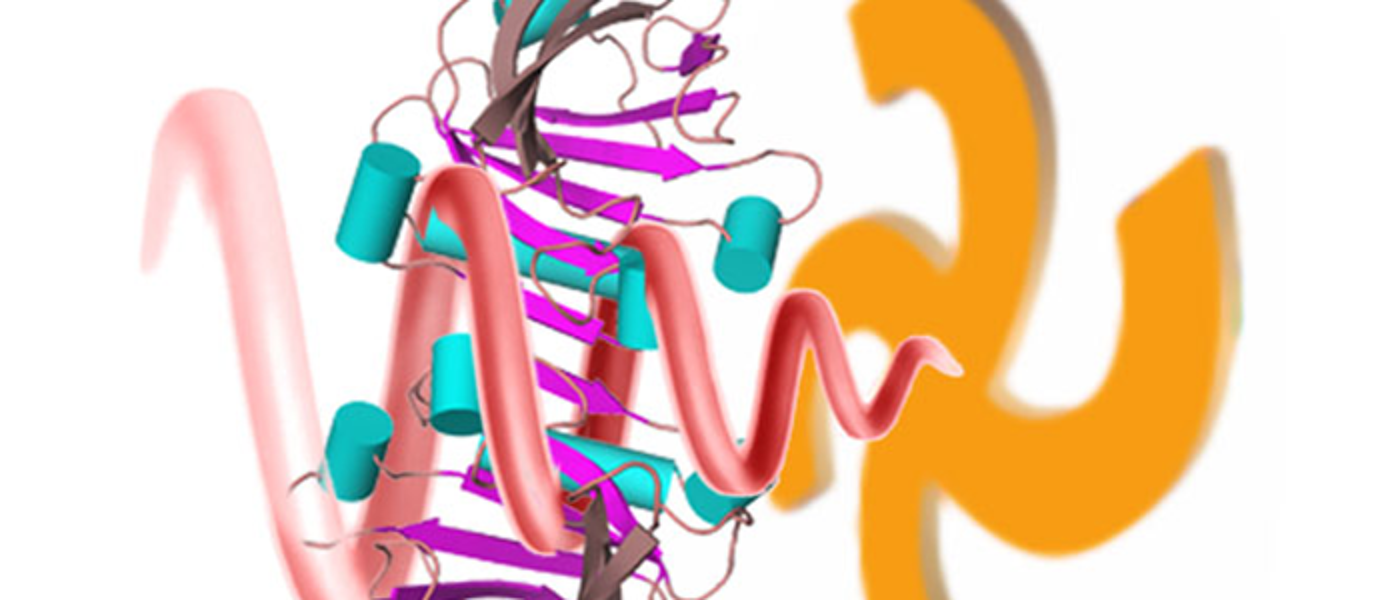
Chemical nanophotonics
Discover how Chemical Nanophotonics uses superchiral light to uncover the secrets of molecular chirality.
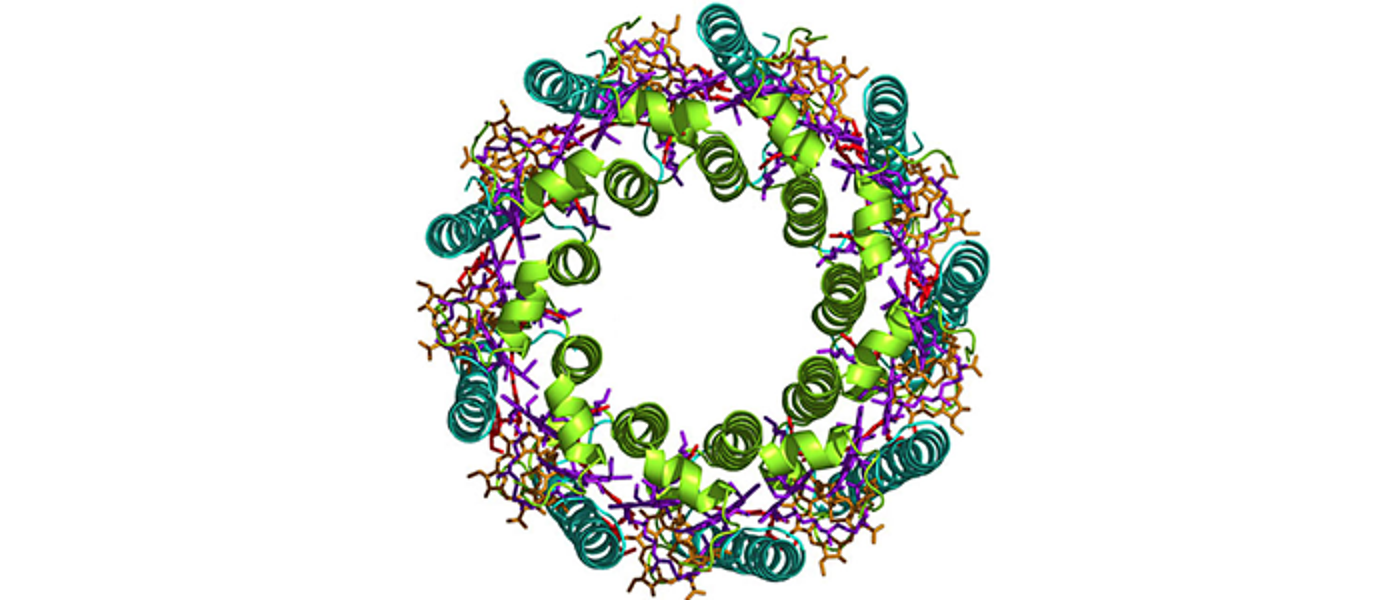
Chemical Biophotonics
Unravel how chemical physics reveals the structural dynamics of proteins and the fundamental physics of life.
