

The University at 575: six centuries of changing the world
We’ve been around for almost 600 years – and those have been years of continual progress. We’ve been trailblazing, pioneering, advancing and progressing for all those centuries, and we have no plans to stop.
Some of our remarkable research breakthroughs below have truly altered the direction of global science, technology and culture, and we’re following in the footsteps of those who have left a permanent mark on the world – for good. Where would we be without Glasgow?
WITHOUT GLASGOW, THE WORLD MAY NOT HAVE HAD ...
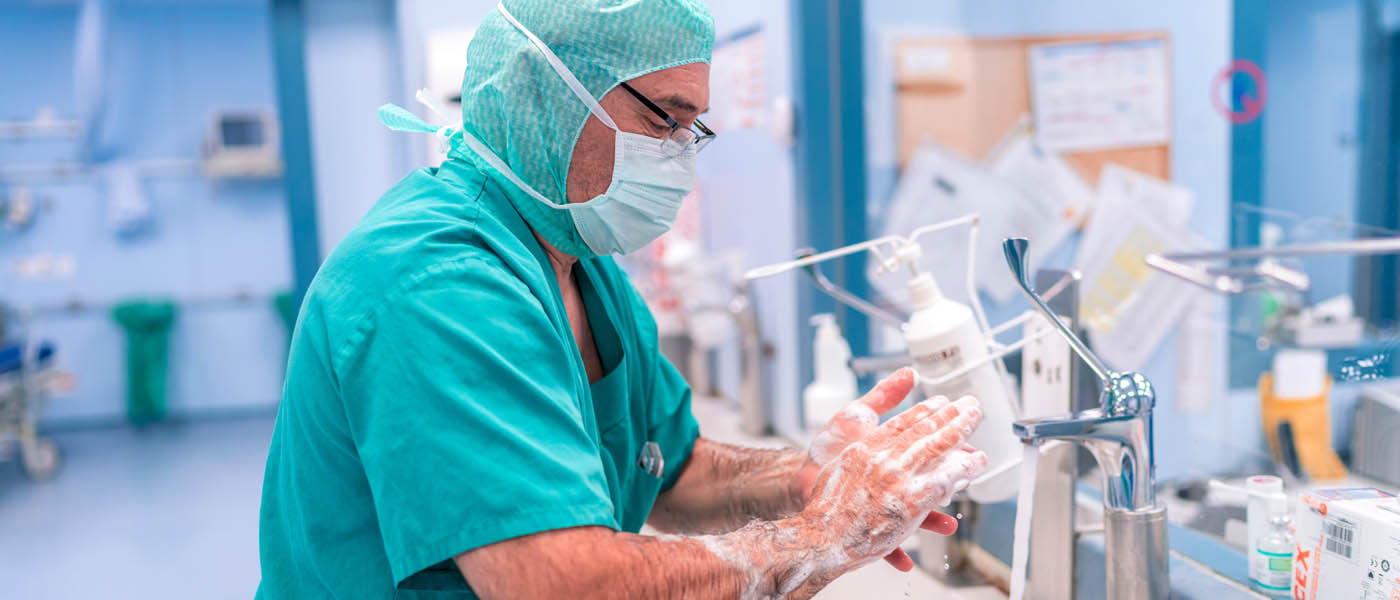
ANTISEPTICS IN SURGERY: in 1867, UofG professor Joseph Lister transformed medicine by introducing antiseptic techniques that dramatically reduced surgical infections and deaths.
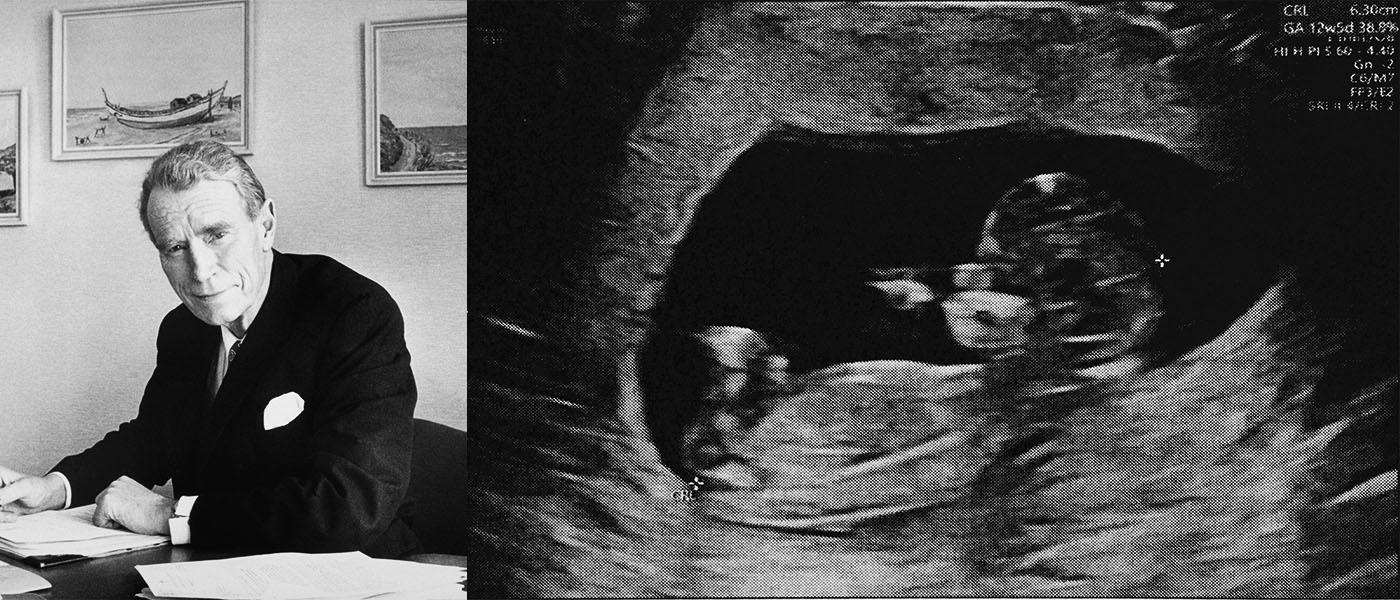
ULTRASOUND: Professor Ian Donald published the world's first ultrasound image of a foetus in 1958, revolutionising prenatal care.

DISCOVERY OF FOUR ELEMENTS: Glasgow scientists helped expand the periodic table through the discoveries of neon, xenon, krypton and protactinium, deepening our understanding of the building blocks of matter.
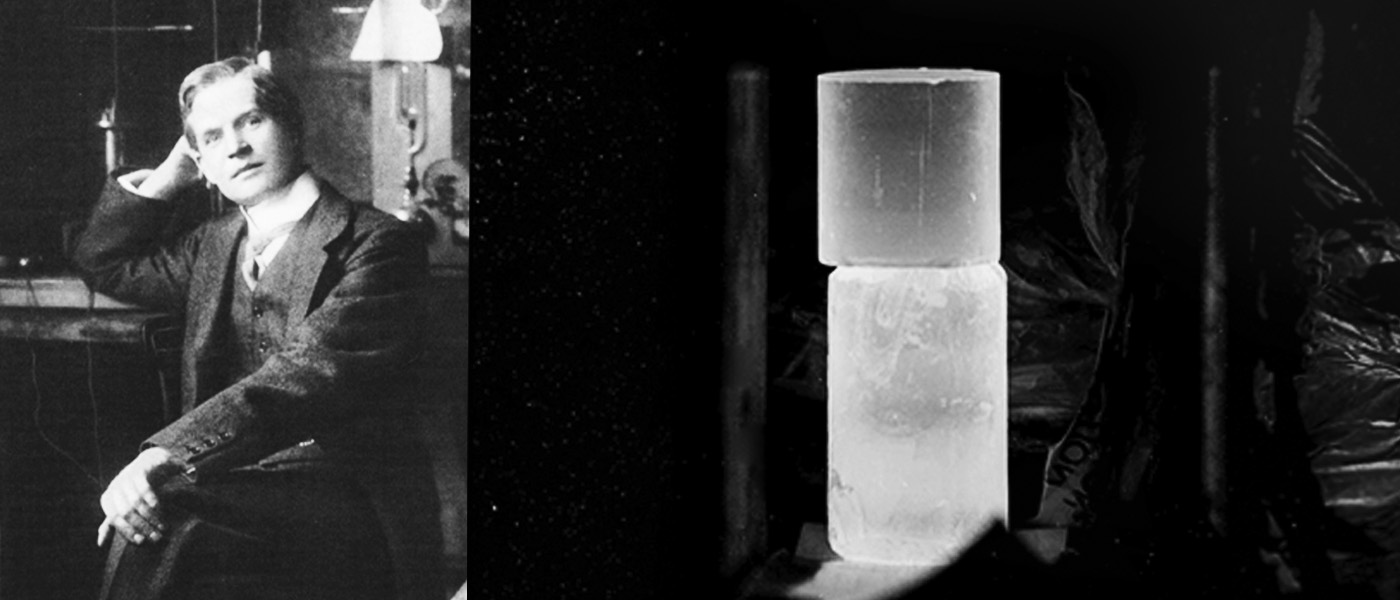
DISCOVERY OF ISOTOPES: Nobel Prize-winning chemist Frederick Soddy discovered isotopes while at Glasgow, which reveal that atoms of the same element can have different masses.
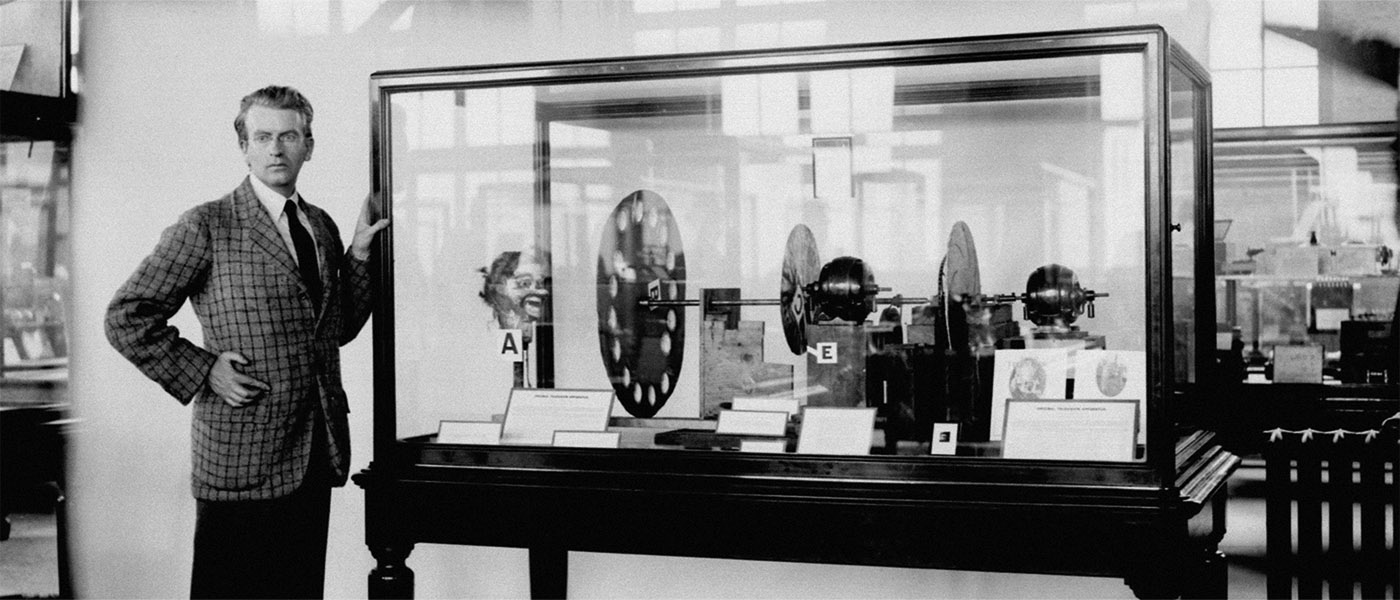
TELEVISION: John Logie Baird, who spent some time studying at Glasgow, went on to demonstrate the world's first working television system in 1926, changing forever the way the world communicates and shares information.
BETA BLOCKERS: scientist Sir James Black, who established the Veterinary Physiology department at Glasgow, developed the first beta-blocking drug in 1958, creating a treatment for heart disease that has saved millions of lives.
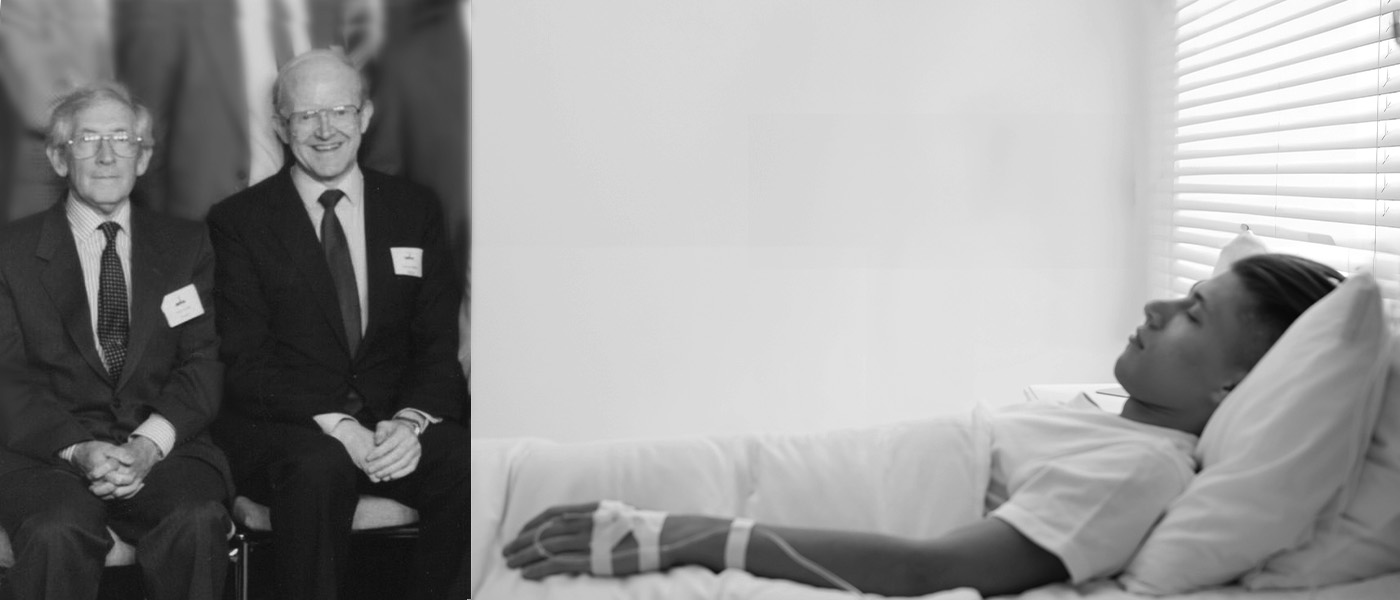
THE GLASGOW COMA SCALE: created in 1974 by Glasgow neurosurgeons Sir Graham Teasdale and Professor Bryan Jennett, the Glasgow Coma Scale became the world's standard tool for assessing consciousness after brain injury.
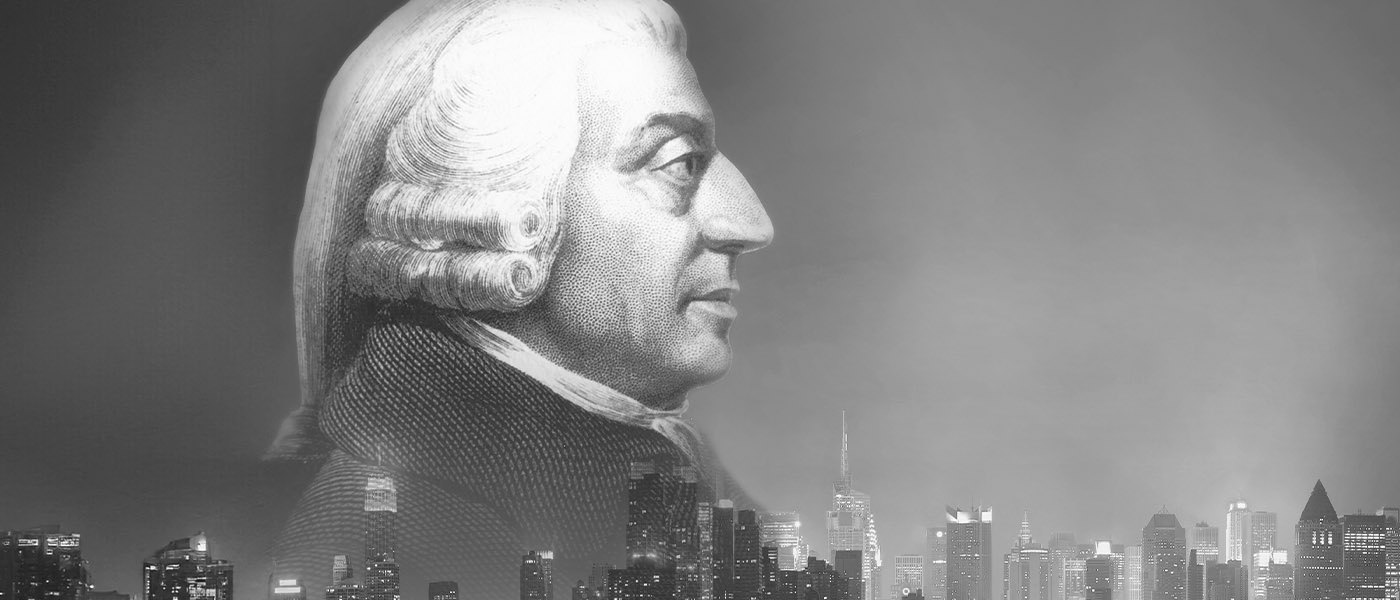
ECONOMIC THEORY: while a student and professor at Glasgow, Adam Smith (1723–1790) laid the foundations of modern economics through ideas that continue to shape global markets and public policy.
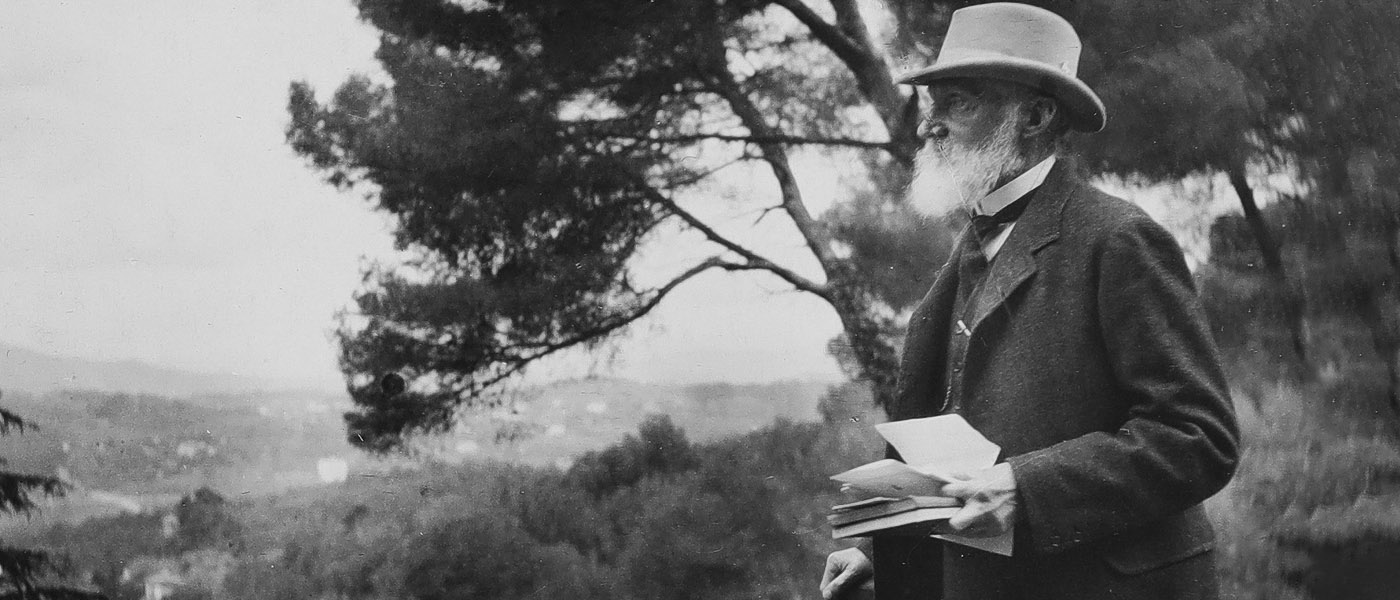
THE KELVIN SCALE: Glasgow physicist Lord Kelvin (William Thomson) devised the absolute temperature scale that remains fundamental to modern science and engineering.

HOSPITAL X-RAYS: in 1896, Glasgow graduate John Macintyre established the world's first hospital x-ray department, ushering in a new era of medical diagnosis.
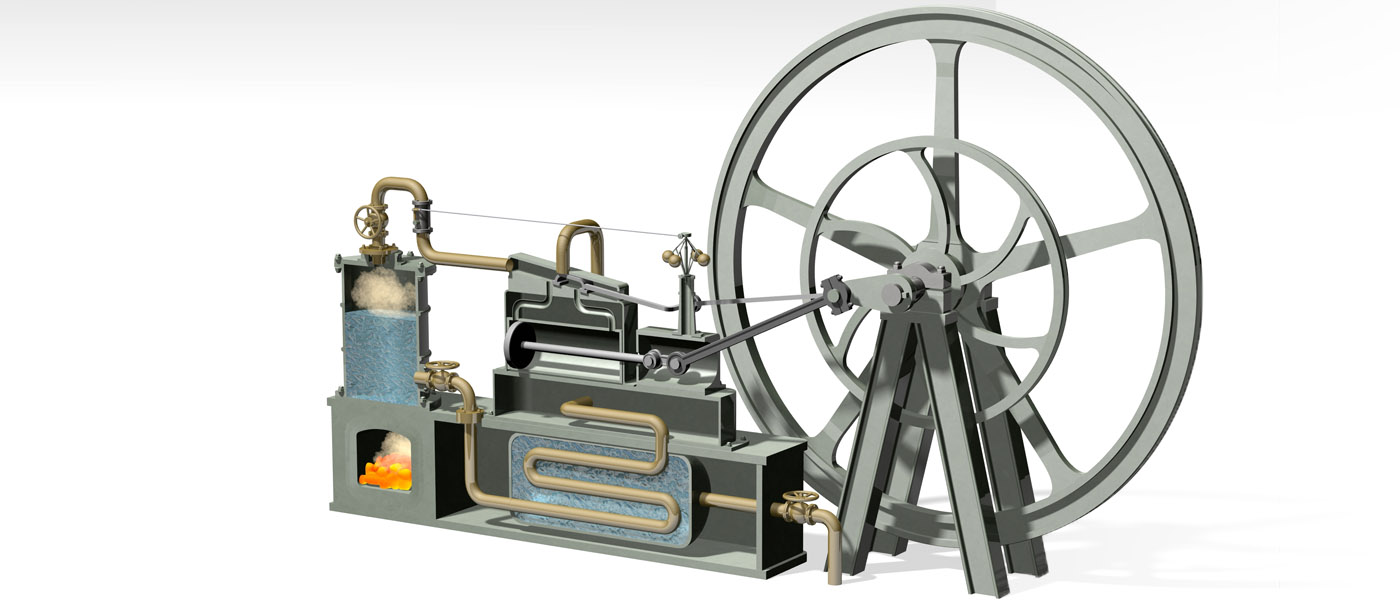
THE HARNESSING OF STEAM POWER: University instrument maker and engineer James Watt developed the improved steam engine that powered the Industrial Revolution.
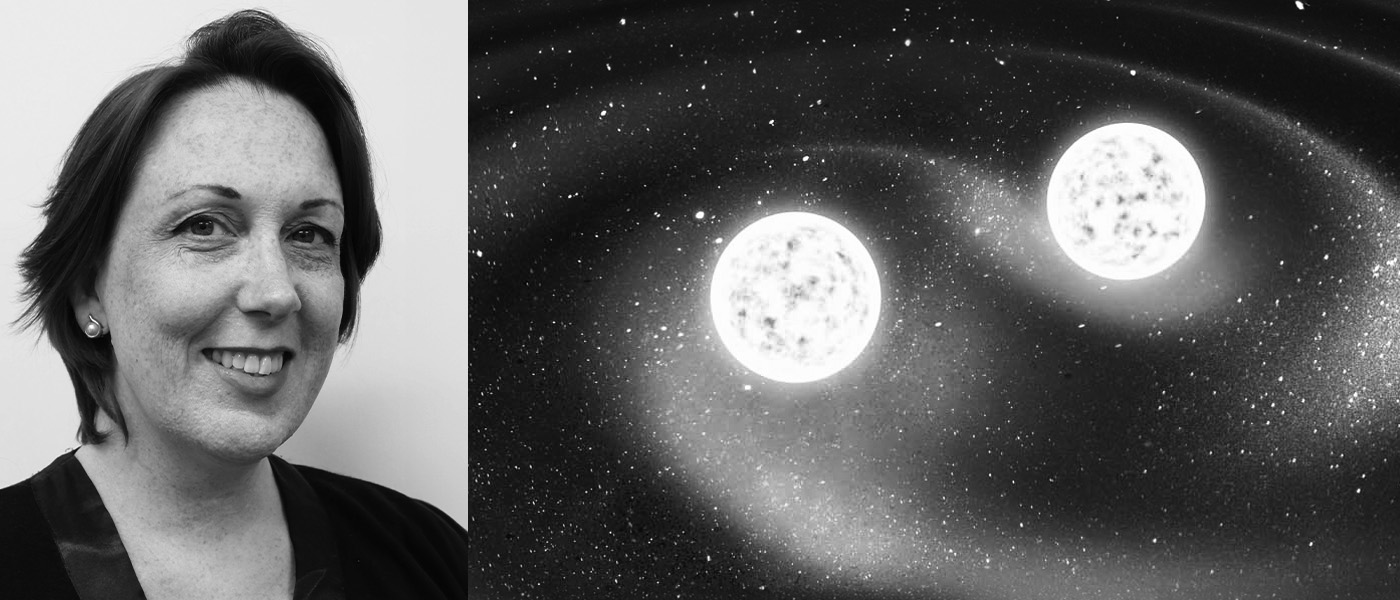
GRAVITATIONAL WAVES: our UofG scientists, led by Professor Sheila Rowan, played a leading role in the first detection of gravitational waves in 2015. This was predicted by Albert Einstein a century earlier, and has opened up an entirely new way of observing the universe.
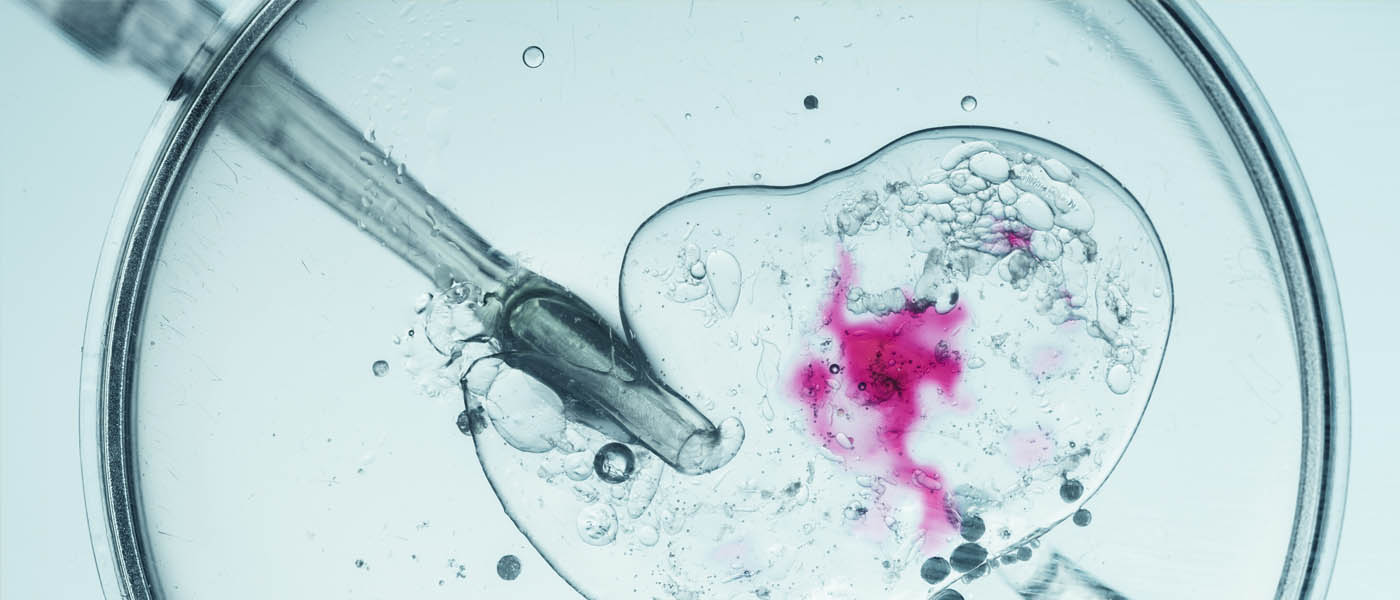
IVF: Glasgow researchers made pioneering contributions to the development of in-vitro fertilisation, helping advance a technology that has enabled millions of births worldwide.
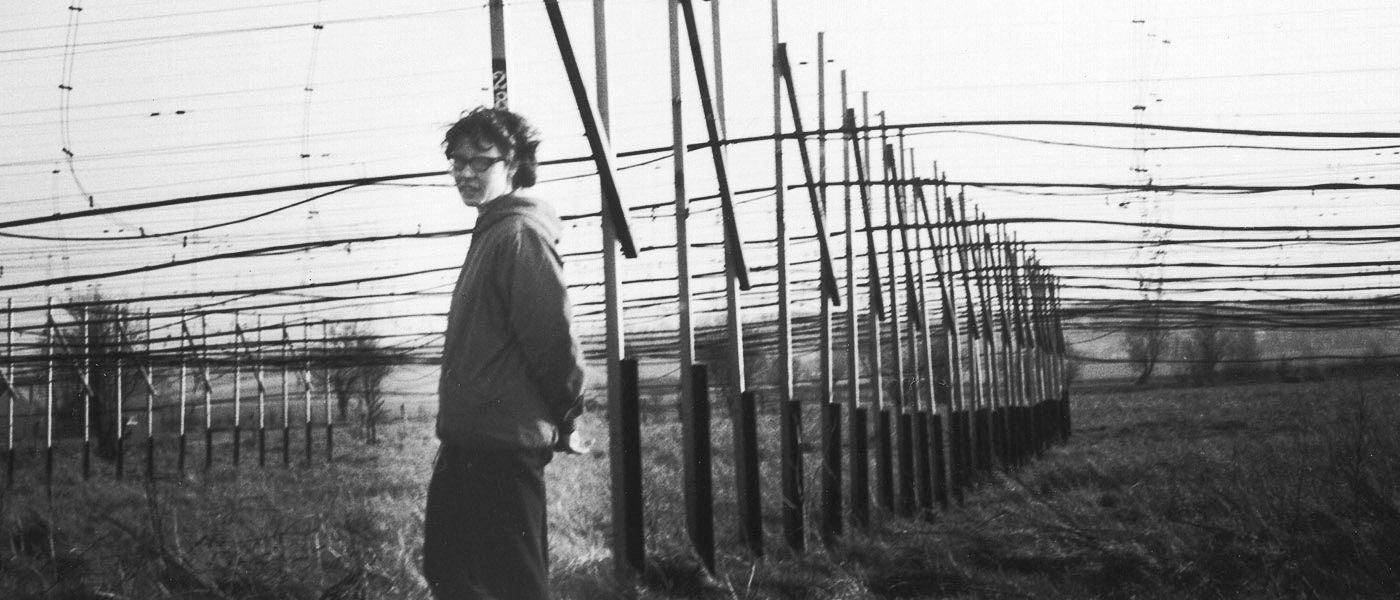
RADIO PULSARS: after taking her first degree at Glasgow, Professor Dame Jocelyn Bell Burnell discovered radio pulsars in 1967, one of the most important astronomical discoveries of the 20th century.
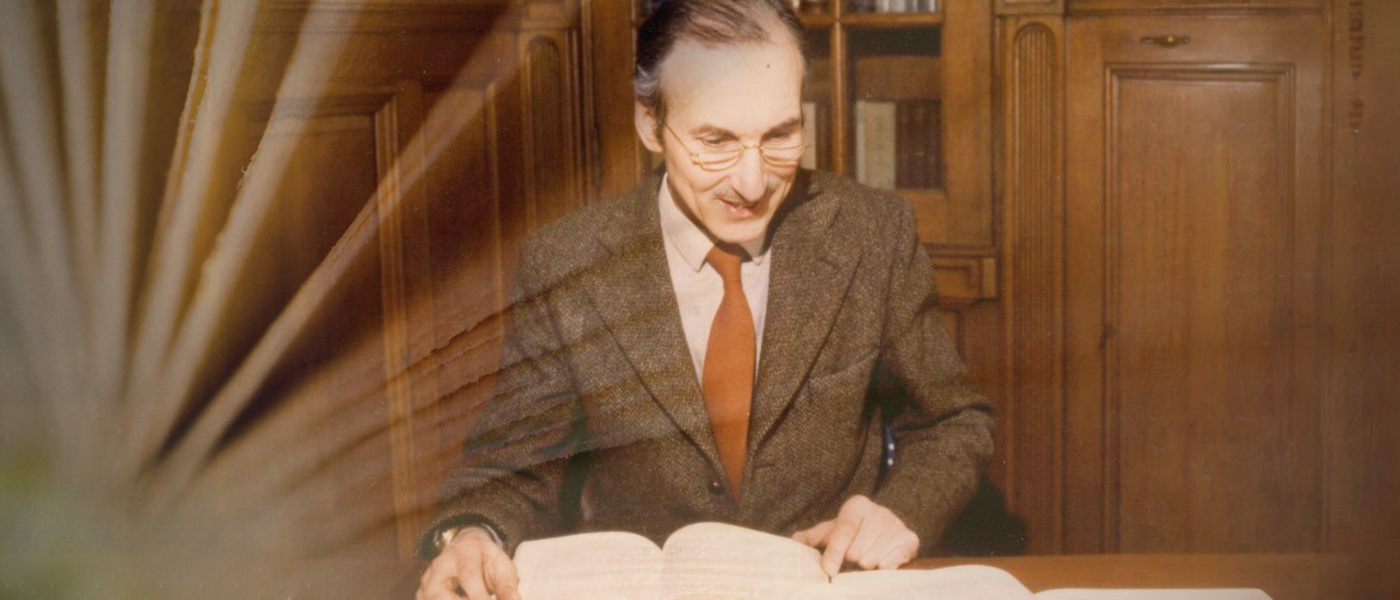
THE HISTORICAL THESAURUS OF ENGLISH: compiled at Glasgow, the brainchild of Professor Michael Samuels, and published in 2009 after a five-decade-long effort, the Historical Thesaurus of the Oxford English Dictionary was the first resource of its kind for any language, charting the evolution of English vocabulary across more than a millennium.
This feature was first published in June 2026.