

The Earth System Dynamics Thermo-/Geochronology and Geochemistry Research Facility specialises in the measurement and interpretation of thermochronologic, geochronologic, geochemical, and cosmogenic radionuclide and trace element data. We do this to study the interactions between climate, tectonics, biota, water, Earth surface processes and environmental geochemistry. These facilities and researchers are closely linked with researchers in the High-Performance Computing (HPC) facilities for data interpretation.
What we do
We employ a range of radiometric dating techniques and other geochemical methods to study tectonic, surface, and environmental processes.
Our key techniques include:
- Apatite and zircon (U-Th)/He dating – Measuring the temperature-dependent accumulation of helium and radioactive parent isotopes in minerals.
- Apatite and zircon fission-track dating – Examining uranium-238 fission tracks in mineral grains to study the rock’s thermal history based on the temperature-dependent annealing of these tracks.
- U-Pb dating – Using the uranium-to-lead decay series in minerals to date higher-temperature crystallisation and metamorphic processes.
- Cosmogenic radionuclides (¹⁰Be, ²⁶Al, ³⁶Cl) sample preparation to determine surface exposure ages and rates of Earth surface processes. Radionuclide measurement is done in partnership with the Centre for the Isotope Sciences (SUERC), also at the University of Glasgow.
- Trace element analysis of waters and acid-dissolved solids such as rocks and biomass to study Earth surface and environmental geochemistry.
Facilities and equipment
Together with the Rock & Sediment Preparation and Microscopy & Imaging Research Facilities, our laboratory is fully equipped for all stages of sample preparation and analysis.
Key capabilities include:
- Alphachron helium-line: high-vacuum helium extraction line and gas mass spectrometer
- 2 x RESOlution laser ablation systems: enabling in situ helium and trace element analyses.
- Agilent 7900 and Thermo iCAP-RQ Inductively Coupled Plasma - Mass Spectrometers (ICP-MS): laser ablation and solution-based bulk/liquid element analyses
- Wet chemistry laboratory with HF neutralising fume hoods for sample preparation.
We provide training and support for visitors in data acquisition, interpretation, and modelling. We also conduct commercial and industry-related measurements.
Quick links
Contact us
For inquiries or to learn more about our facility and services, please email:
- Dr. Steffen Hellmann (Lab Manager)
- General enquiries, Trace Element Geochemical Analysis via liquid/bulk ICP-MS of waters and/or acid-dissolved solids, LA-ICP-MS of solids
- Dr. Sarah Falkowski (Research Scientist)
- Low-temperature thermochronology and U-Pb dating
- Dr. Mirjam Schaller (Senior Research Scientist)
- Cosmogenic radionuclides (¹⁰Be, ²⁶Al, ³⁶Cl)
- Prof. Todd Ehlers (Academic Lead)
- General enquiries
Our gallery
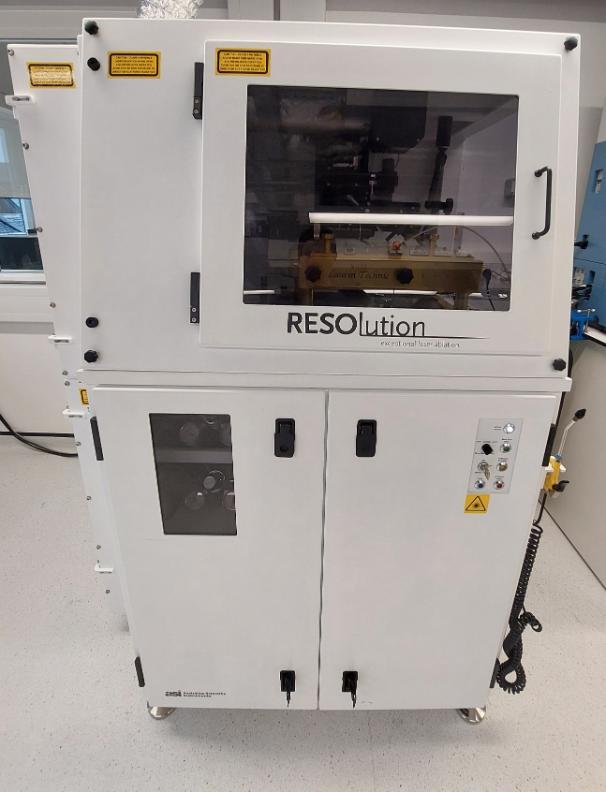
RESOlution Laser Ablation system for trace element analysis from solid samples.
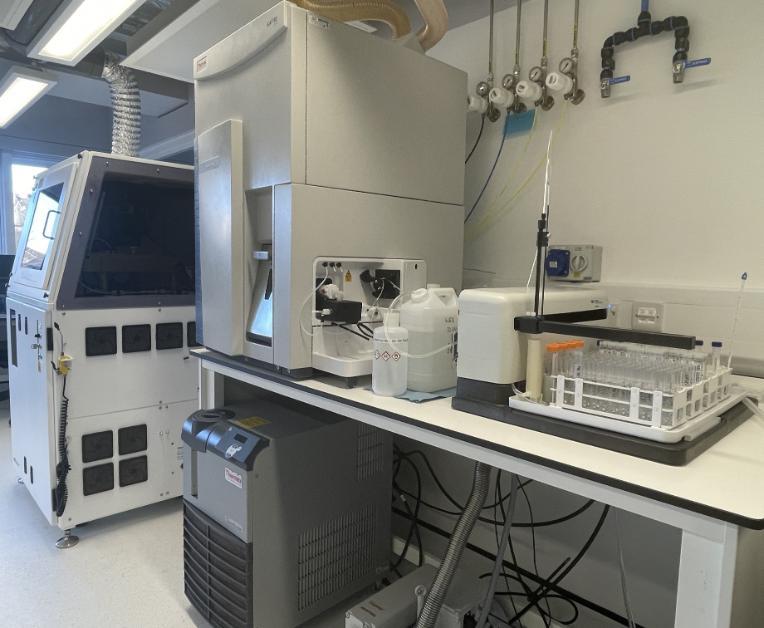
Thermo iCAP-RQ single quadrupole Inductively Coupled Plasma - Mass Spectrometer (ICP-MS) instrument coupled with: a) ASX-560 Autosampler for solution-based liquid/bulk trace element analysis or b) RESOlution Laser Ablation system for trace element analysis from solid samples.
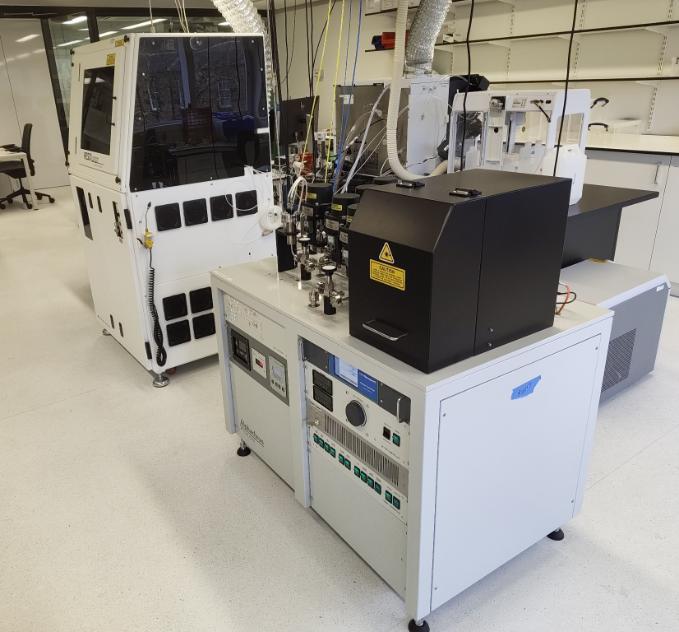
RESOchron system (Applied Spectra) with RESOlution Laser Ablation system and Alphachron helium-line. The system is capable of whole-grain and in-situ (via laser ablation) helium analyses.
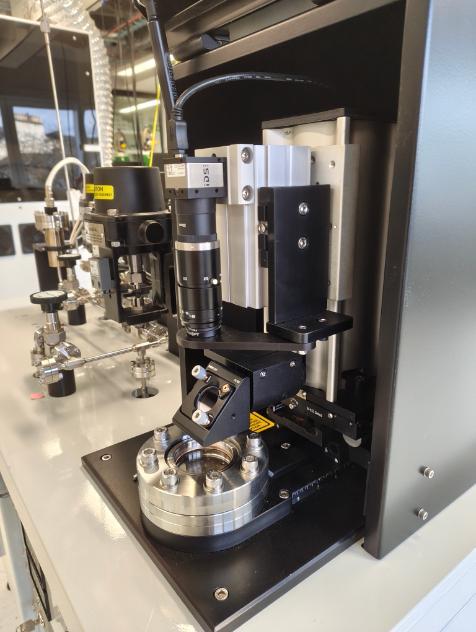
Alphachron laser chamber with vision system and x-y stage.
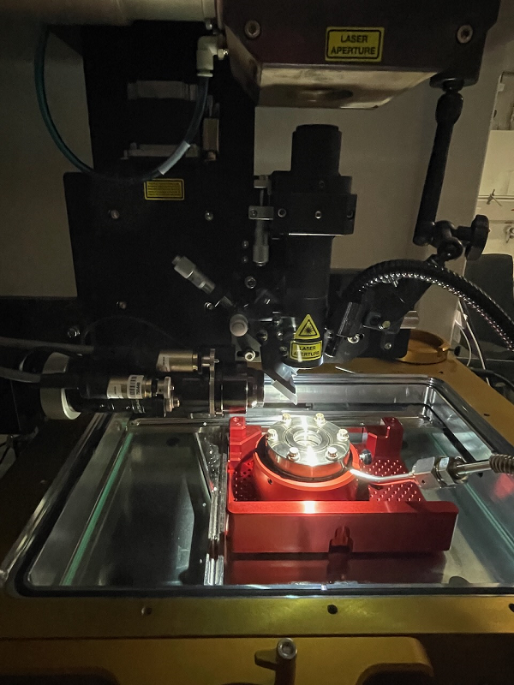
RESOchron high-vacuum laser cell for in-situ helium analysis.
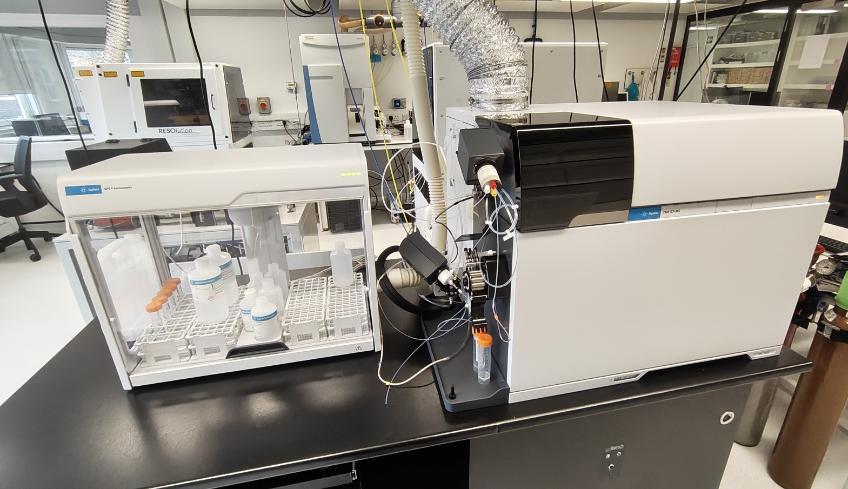
Agilent 7900 single quadrupole Inductively Coupled Plasma - Mass Spectrometer (ICP-MS) instrument coupled with: a) an Agilent SPS 4 Autosampler for solution-based liquid/bulk trace element analysis or b) a RESOlution Laser Ablation system for trace element analysis from solid samples.
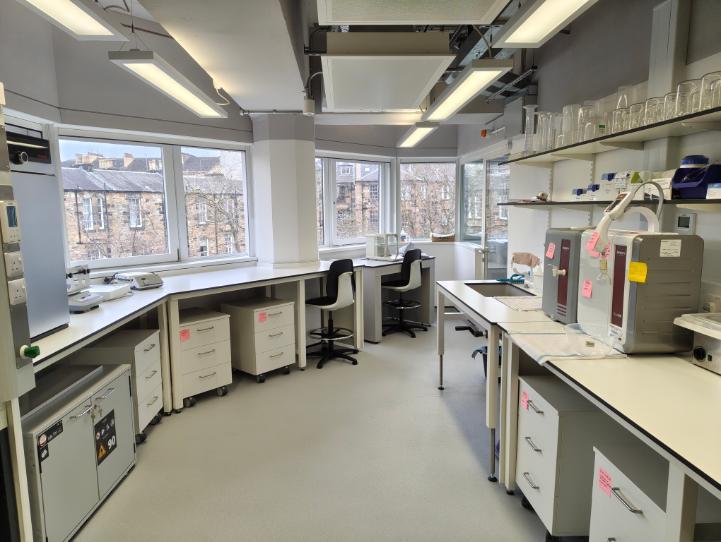
Wet chemistry laboratory equipped with HF neutralising fume hoods, precision balance, hot plates, shaker, oven and ultrapure water system.