
Infection & Immunity news
-
05 MaySii researchers Professor Richard McCulloch and Dr Jane Munday have contributed to a study showing how Trypanosoma brucei evades the immune system through DNA-driven antigen changes. Led by Monica Mugnier and Jaclyn Smith at Johns Hopkins University, the work included key input from the Centre for Parasitology pair.
-
05 May
Unique patient-led analysis of Inflammatory Bowel Disease
A new study led entirely by patients and co-authored by School of Infection & Immunity researchers marks a significant milestone in how inflammatory bowel disease (IBD) research is conducted and shared. The peer-reviewed paper, published in Crohn’s & Colitis 360, presents a novel approach to understanding people living with IBD. -
21 Apr
Life Sciences ranked in QS world top 50
University of Glasgow Life Sciences, which includes Sii's Microbiology and Immunology degrees, has ranked 41st in the world in the 2026 QS World University Rankings By Subject. Released on Wednesday, 25 March, the placement represents a rise on last year and makes the Life Sciences portfolio UofG's highest-placed subject area. -
21 Apr
Sii SHOWCASED AT MICROBIOLOGY SOCIETY ANNUAL CONFERENCE
School of Infection & Immunity staff and students attended the recent Microbiology Society Annual Conference 2026 in Belfast. Spanning all career stages, the team showcased their research, contributed to key sessions, and demonstrated the strength and breadth of bacteriology at Sii.
The University of Glasgow is home to one of the UK’s leading centres for the study of pathogens of medical and veterinary importance.
We are key contributors to the and the Scottish Infection Research Network, with access to state-of-the-art applied genomics, proteomics and imaging facilities.
We possess world-leading expertise in microbiology and parasitology.
World-changing research
Discover some of our world-leading research in virology, parasitology and microbiology.
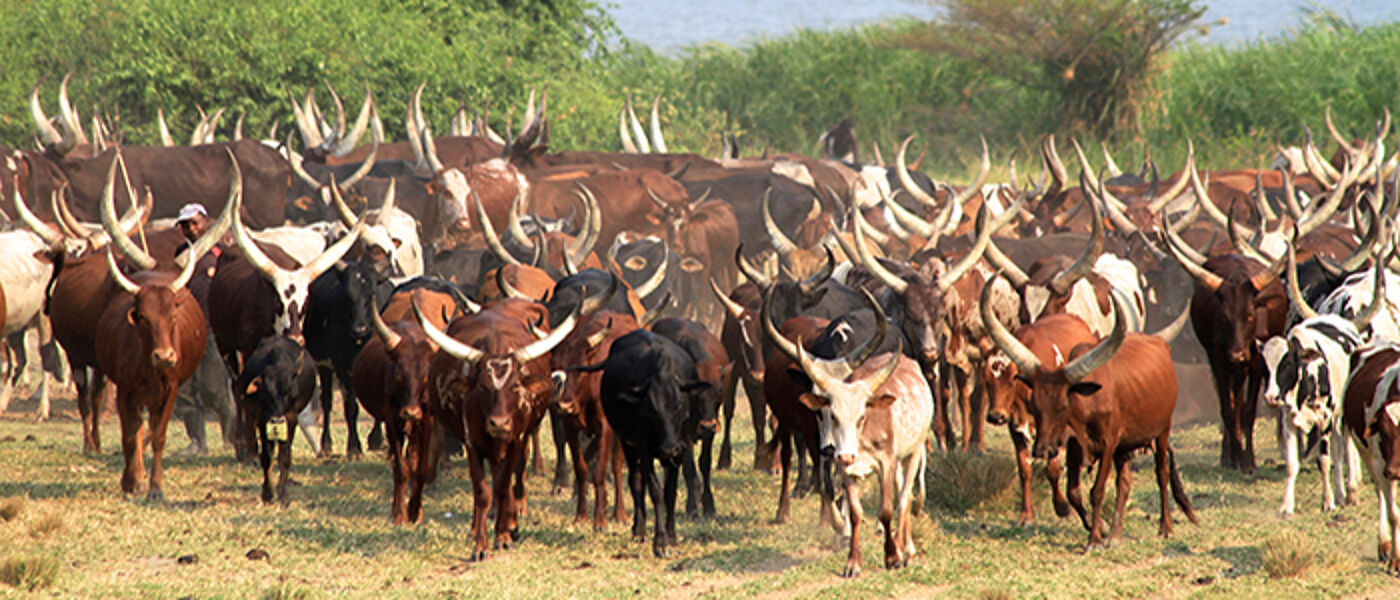
Animal African Trypanosomiasis
Glasgow is collaborating with other universities to tackle this devastating parasitic disease.
The evolution of SARS-CoV-2, from bats to humans, shows a slow rate of change
Mon, 15 Mar 2021 07:15:00 GMT