

Research Seminars 2026-27
Related Links:
Semester 1 seminars 2026/27
Thursday 8 October 2026, 17.15:
Professor Martin Thomas, University of Exeter
Hiding Wars: The French Colonial Empire and the Civilianization of Violence
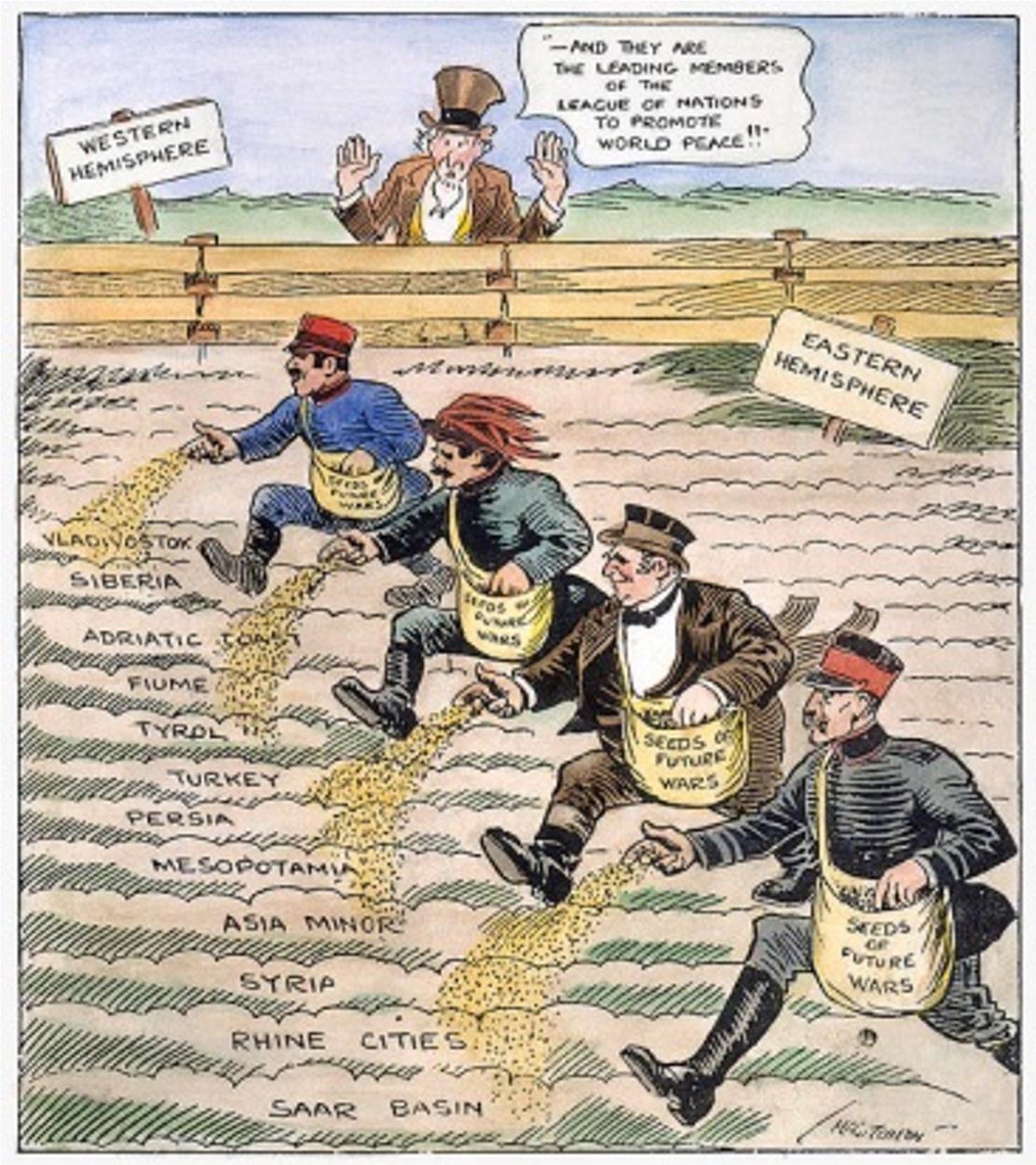
This paper explores French colonial conflicts, their scale and practice concealed, whose local patterns (identified here as ‘the civilianization of violence’) and transnational reverberations shaped the forms that decolonization took. In the imperial rhetoric of French decolonization’s wars, restoring order meant the resumption of whatever socio-political plans or economic projects were interrupted by conflict. The logic of ‘order before reform’ became stock justification for late colonial counterinsurgency until global audiences refused to believe it. But imperial powers felt less need to defend the legal arrangements and security apparatus intrinsic to colonies’ violent liminal condition at other times. Instead, the everyday violence of colonialism was just that – a normative standard with supposedly structural causes rather than a massive agglomeration of civilian maltreatment – the civilianization of violence of this paper’s title.
Thursday 22 October 2026, 17.15:
Dr Deven Parker is a Leverhulme Early Career and LKAS Fellow at the University of Glasgow, working in the School of Critical Studies.
Eventbrite: https://www.eventbrite.co.uk/e/romantic-media-and-wartime-networks-tickets-1999548944720?aff=oddtdtcreator
Romantic Media and Wartime Networks
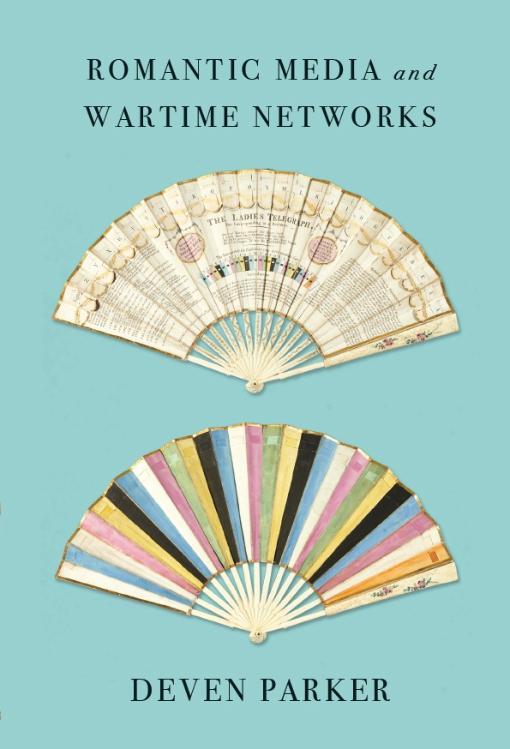
Drawing on research from my newly published book, Romantic Media and Wartime Networks, this talk will explore how cartography in early nineteenth-century Britain became a powerful and politicized mode of representing wartime violence during the Peninsular wars and how military mapping influenced poetry. I reveal how cartographic manuals, military documents, and printed maps originally sketched at the sites of Peninsular battles relied on innovative bird’s eye renderings of landscapes and battles in order to strategically create distance from bloodshed, before showing how John Wilson Croker’s wildly popular The Battles of Talavera (1812) remediated the politically charged perspectives of battle maps. Finally, I read Lord Byron's Childe Harold’s first canto as a response to both Croker and to publish military maps, arguing that Byron criticized cartographic and poetic renderings of the Peninsular war. His descriptions of Portugal and Spain both appropriate and subvert the overhead perspectives of cartographic war poems and maps, creating a poetic map that toggles between close and distant views to reveal how perspectives of popular military representations and poems gloss over the aesthetically unappealing complexities of war-torn Iberia.
Thursday 5 November, 2026, 17.15:
Dr Aggie Hirst, King’s College London (KCL)
Politics of Play: Wargaming with the US Military
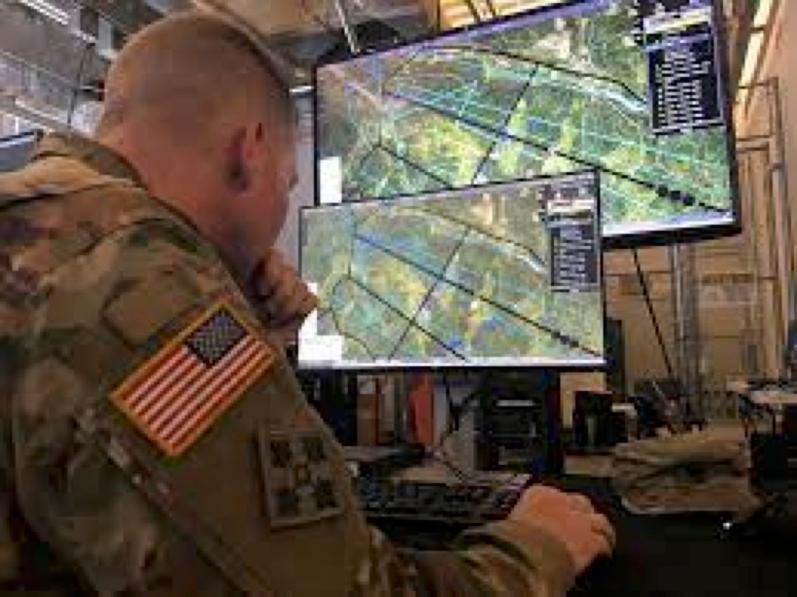
Since 2014, calls to expand the use of wargames and simulations in the armed forces have emanated from the highest levels of the US federal government. In the ensuing wargaming renaissance, a small but committed wargames community of practice (CoP) has been empowered to proliferate their craft across the military’s strategic planning, professional education, and tactical/operations training regimes. Combining 100 hours of original empirical data - gathered with pioneers and practitioners at US military wargames, CPXs, and school-houses - with a new theory of deconstructive play, Dr Aggie Hirst's book Politics of Play: Wargaming with the US Military (OUP 2024) provides a new critical analysis of the use of wargames to produce soldiers in a digital age. In this talk, Dr Hirst will argue that prevailing analyses fail to grasp the nature and depth of the power of pedagogical wargaming. By promoting a non-reflexive immersive state and cultivating a drive towards victory conditions, she will argue that gaming has subject-producing properties. She explores Hans-Georg Gadamer’s claim that far from the player playing the game, the game plays the player, and offers a new conceptualisation of play - ‘deconstructive play’ - suggest how we might better ensure player agency and expose and explore games’ aims, assumptions, omissions, and politics.
Monday 23 November, 2026, 17.15:
Dr Nicolas G. Virtue, King’s College London
Propaganda Officers, Service Newspapers, and Soldier-Writers in Italian-Occupied Yugoslavia, 1942–43
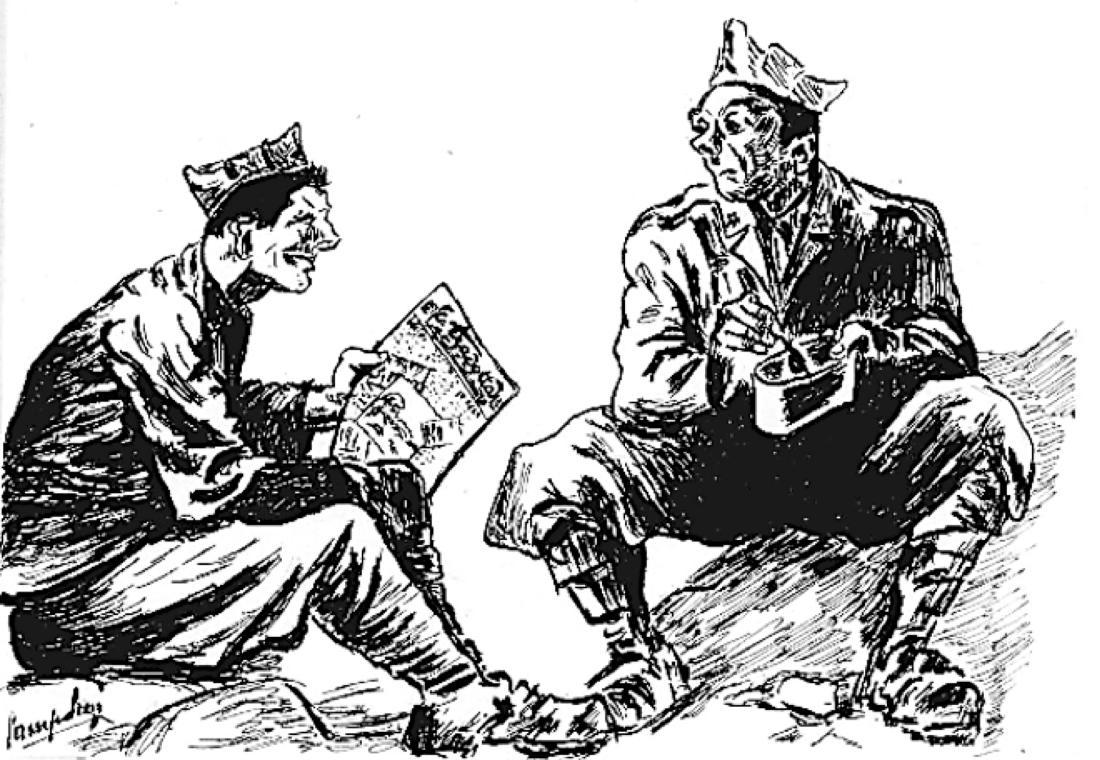
In 1942, Italian propaganda officers in occupied Yugoslavia called upon military personnel to contribute literary and artistic works to their army’s newspaper. Many combatants did, in fact, respond to the appeal. Remarkably, hundreds of their contributions – mostly unpublished – survived the war, eventually being seized and archived by the US Army. This presentation examines this unique set of sources and considers what they reveal about Fascist Italy’s propaganda apparatus, the officers who edited the army’s service newspapers, as well as the ordinary soldiers who penned contributions. Though not without methodological shortcomings, these sources prompt questions about troop morale, propaganda methods, and culture within the Italian army during the Second World War, suggesting that Italian combatants were not merely passive consumers but active producers of Fascist propaganda.