

Transferable Skills Case Study
Teamwork
Teamwork is about working effectively with others to achieve shared goals. It involves listening to different perspectives, contributing your own ideas, dividing tasks based on strengths and supporting your team in a respectful and inclusive way.
Why does this skill matter?
Teamwork is an essential skill for university, work and life. Being able to work well with others helps you solve problems collaboratively, navigate different perspectives and achieve outcomes that would be difficult alone. Strong teamwork builds trust, adaptability, negotiation skills and the ability to prioritise shared goals - skills that are valuable in personal relationships, academic settings and professional environments.
Where will you use this skill at university and beyond?
… as part of your degree
You develop teamworking skills through assessed group assignments or seminar activities, where the input of diverse ideas facilitates a fruitful discussion. Informal study groups and peer-feedback sessions also hone teamwork skills.
… as part of the wider student experience
Most clubs and societies function as teams and their success entirely depends on how the team functions. Being a contributing member of such societies helps you to shape your teamworking skills, as you learn how to communicate, resolve conflicts and contribute to shared goals with a diverse group of people.
… as a professional in the future
In a professional setting, teamwork means contributing to team goals, adapting to different working styles and acknowledging others’ contributions. You may work on project teams, cross-functional initiatives, or client-focused groups where collaboration and flexibility are key.
Student insight
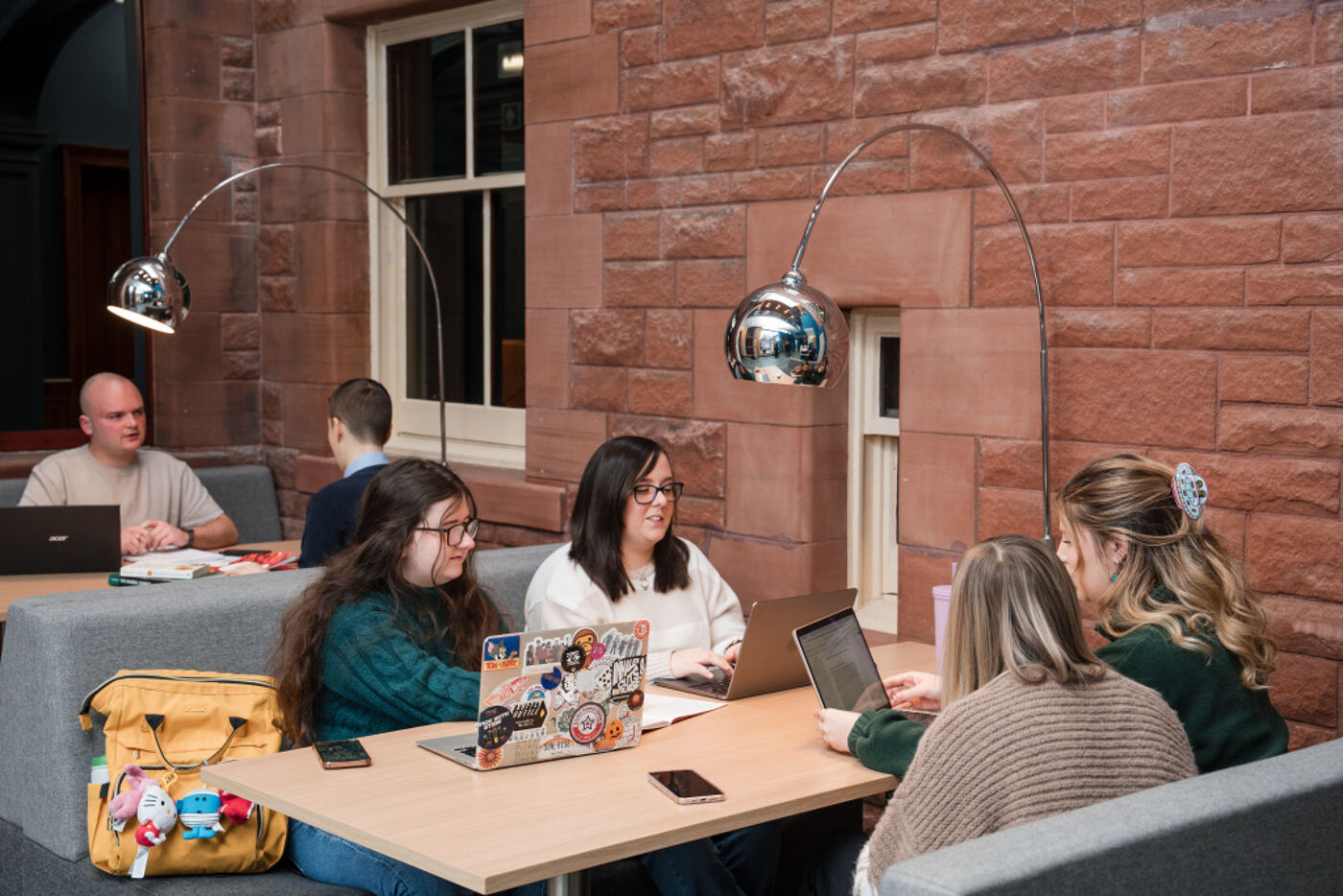
“I have used my teamwork skills both within and beyond my academic career. I believe working with a group of people all holding different views on how to approach a problem gives the result more nuance. Moreover, teamwork has also significantly helped me become more communicative and open-minded, while also enabling me to work closely in diverse situations.”
~ Student from School of Social and Political Sciences
How can you evidence this skill?
You might be able to evidence this skill through:
- assessed group assignments and presentations
- peer-review or feedback
- participation in seminar discussions
- leading or contributing to societies, clubs, volunteering or internships
- co-ordinating group tasks or facilitating team decisions
How else might employers describe this skill?
You might also hear this skill described as…
- Collaboration
- Working collectively
- Being a team player
- Cross-functional working
- Interpersonal skills
What are some example interview questions that feature this skill?
- Describe a time you worked in a diverse team and what you learned.
- How do you approach disagreements in a team?
- As a leader, how do you keep your team motivated during a challenging task
- Give an example of when you helped a team achieve a goal under tight deadlines.
What does a good response look like?
Question
Describe a time you worked in a diverse team and what you learned.
Response
Situation: I worked with five others to plan a student ball, and we all had very different working styles: some preferred structure, while others were more flexible or discussion-led. This initially made coordination difficult.
Task: We needed to align our approaches and organise the event effectively as a team, ensuring everyone could contribute while keeping the planning on track.
Action: I suggested we meet to openly discuss our working preferences so we could better understand each other’s approaches. We agreed to divide the workload into clear individual responsibilities linked to the overall plan, allowing people to work in ways that suited them. I also made a conscious effort to avoid micromanaging, while maintaining regular communication to keep everyone aligned and progressing.
Result: As a result, we worked more cohesively and successfully delivered a well-organised, inclusive ball. This experience strengthened my ability to collaborate with diverse working styles, communicate effectively within a team, and balance structure with flexibility to achieve a shared goal.