

Transferable Skills Case Study

Project Management
Project management is the ability to plan, organise and deliver a piece of work from start to finish. It involves setting goals, breaking tasks into manageable steps, allocating time and resources, and coordinating with others to ensure the project stays on track.
In practice, project management means setting timelines, monitoring progress, adapting when challenges arise, and ensuring the final outcome meets its objectives.
Where can I find this in the skills language?
Collection > Research processes, scoping and management
Why does this skill matter?
Project management helps you organise complex tasks and work effectively with others. At university, it allows you to manage assignments, research projects and group work more efficiently.
Beyond university, many roles involve coordinating activities, managing deadlines and balancing multiple responsibilities. Employers value people who can plan work clearly, keep projects moving forward and ensure tasks are completed successfully.
Where will you use this skill at university and beyond?
… as part of your degree
You practise project management when organising group assignments, planning research projects, coordinating presentations, or managing the timeline for your dissertation.
… as part of the wider student experience
Students develop project management skills when organising society events, coordinating volunteering activities, managing campaigns in student organisations, or balancing part-time work with academic responsibilities.
… as a professional in the future
In the workplace, project management involves planning tasks, coordinating teams, monitoring progress and ensuring projects are completed on time and within available resources.
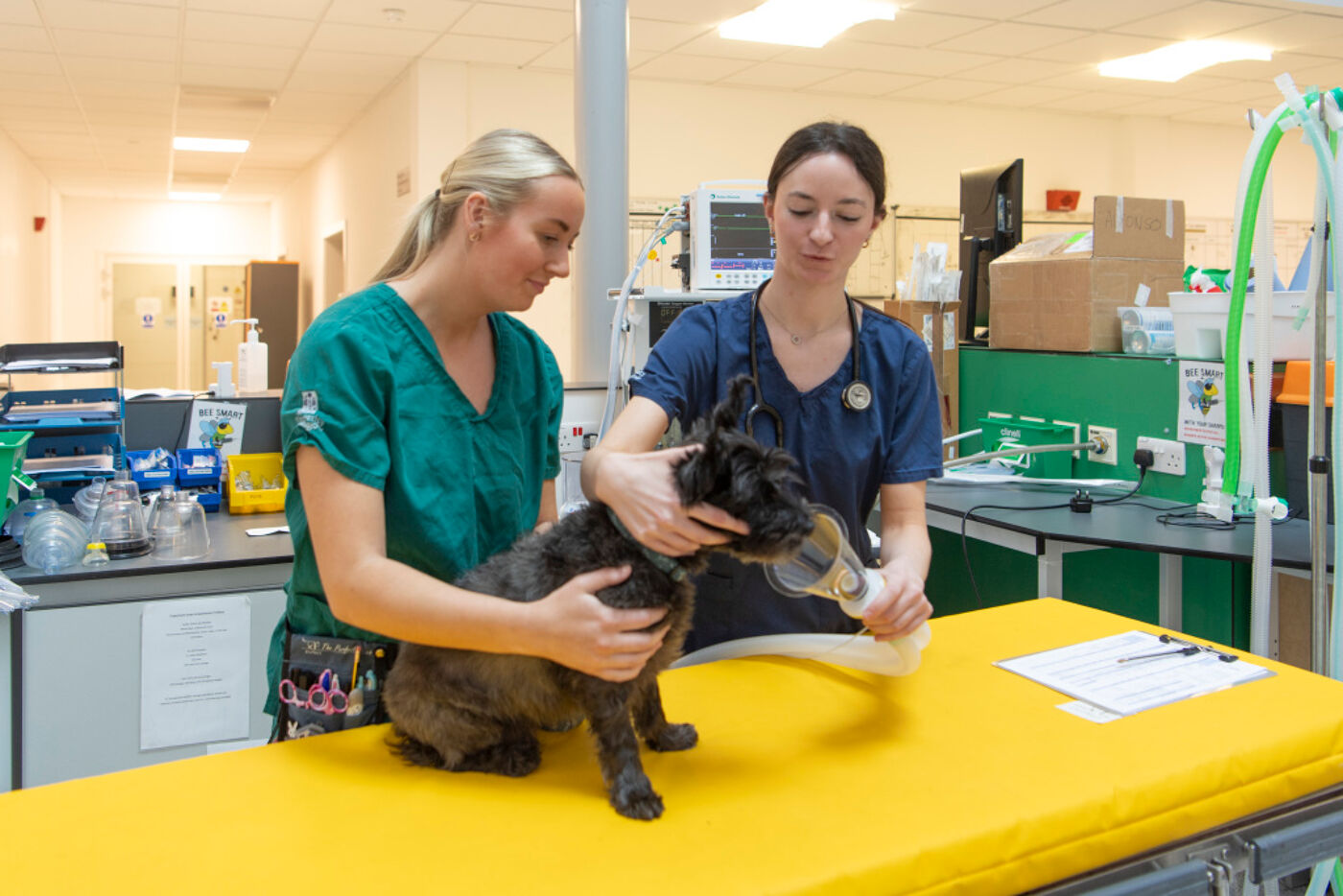
Student insight
“I developed project management skills while working on a group poster project. We used a shared calendar and set smaller deadlines for each stage of the work. This helped us stay organised and made sure everyone contributed on time. I realised that project management includes lots of skills and I got to improve many of them while working in a group.”
~ Student from the School of Biodiversity, One Health & Veterinary Medicine
How can you evidence this skill?
You might be able to evidence this skill through:
- Planning and coordinating group assignments or research projects
- Organising society events, campaigns or workshops
- Managing timelines and responsibilities within a student organisation
- Coordinating volunteers or team members during an event or activity
- Balancing multiple deadlines across academic work, part-time jobs and extracurricular commitments
- Using tools such as shared calendars, task trackers or project management platforms to organise work
How else might employers describe this skill?
You might also hear this skill described as…
- Planning and organisation
- Coordination
- Time management
- Research management
- Management
What are some example interview questions that feature this skill?
- Can you describe a time when you had to plan and deliver a project with multiple tasks or deadlines?
- Tell us about a time when you had to coordinate work between several people to complete a project.
- How do you normally organise your time when you have several deadlines to meet?
- Can you give an example of when a project didn’t go to plan? How did you keep it on track?
What does a good response look like?
Question
Can you give an example of when a project didn’t go to plan? How did you keep it on track?
Response
Situation: I was organising a charity art sale, but the artist’s files repeatedly failed the printer’s quality requirements. When the prints were finally sent, they were misdirected to a closed post office and then held at a retention centre, meaning they wouldn’t arrive in time for the stall.
Task: My goal was to manage the printing, delivery, and organisation of the art prints to ensure the stall could take place on time and run smoothly, maximising the charitable impact.
Action: I researched printers extensively to find one that could provide both high quality and affordability, as we wanted to maximise profit for the charity. I managed multiple digital transfer issues, particularly maintaining the quality of the artwork, which required resending files several times across different platforms until the printer could accept them. For the delivery, I tracked the parcel closely, made calls to multiple locations to locate it, and arranged transport to collect it from the retention centre as soon as it reopened, ensuring it arrived at the stall in time.
Result: The prints and stickers arrived on time, allowing the stall to proceed as planned. We successfully raised £300 for charity and supported local artists by showcasing and selling their work. This experience strengthened my project management, problem-solving, and logistical skills, as well as my ability to remain calm and resourceful under pressure.