Project Real: Co-Creating Digital Resilience with Young People
Published by Yvonne Skipper
Project Real began with a simple but important question: How do we move beyond telling young people what not to do online and instead equip them with the skills to think, question, and act for themselves?
Co-created with young people, teachers, psychologists, and practitioners, Project Real develops practical, research-informed interventions to help young people spot misinformation and navigate online risks. Grounded in psychological science and participatory design, the project positions young people not as passive recipients of safeguarding messages but as active contributors to solutions.
Our resources, including lesson plans, interactive activities, videos and youth-designed comics, focus on real-world challenges: scams, online deception, cyberbullying, digital footprints, and misinformation. You can find them here: www.projectreal.co.uk
A Multi-Agency Model for Impact
The project is led by Dr Yvonne Skipper from the University of Glasgow along with Dr Joe Reddington from Royal Holloway University of London. A defining feature of Project Real is collaboration.
· In partnership with Police Scotland, we co-developed and delivered sessions addressing online harms and scam prevention. This includes interactive activities such as a password guessing activity and a ‘choose your own adventure’ game. We also have a video for parents entitled ‘What I wish my parents knew about my online life’. · Working with Education Scotland, we co-created two comics ‘Behind the Screen’ and associated lesson plans to support teachers in embedding digital literacy and cybersecurity within classrooms.
· An upcoming collaboration with Public Health Scotland will extend this work into public health, recognising misinformation and online harm as issues that affect wellbeing, relationships, and community resilience.
This cross-sector approach ensures our work is embedded within education, justice, and health systems.
Extending Impact Internationally
Project Real’s model has also reached beyond the UK. Through our work in partnership with the Melissa Institute in Miami, we have shared our co-creation framework with international partners, contributing to global discussions about youth safety, misinformation, and digital citizenship. These conversations are opening pathways for adaptation of the model in new cultural contexts. Our resources have been used in at least 10 countries.
Measurable and Meaningful Change
Evaluation data show an:
· increase in young people’s confidence in spotting misinformation
· improvement in knowledge of digital footprints and online safety
· changes in behaviours such as rethinking what to share and making more checks before sharing content by others
One young person reflected:
“I was aware of misinformation and false personalities and AI scams, but I wasn’t aware of the extent they existed online until I started this project. Since then, I wouldn't say I've been seeing it everywhere, but I've been able to spot it more easily”
A teacher noted:
“I genuinely think I could see lightbulb moments when we were chatting about things, and they were understanding it”
Crucially, young people report feeling listened to, not lectured. “I liked meeting people who, like, specialize in stuff like this, because it's interesting to know more about what goes on, and that you guys are kind of helping us, and we're also helping you to create this for young people.”
National Recognition
Recently, Project Real was nominated by Police Scotland for the Digital Youth Work Award at the YouthLink Scotland National Youth Work Awards. Being recognised in this way, and nominated by a national policing body, reflects the strength of our partnership model and the credibility of youth-led digital resilience work. One of our participants stated:
“Being one of the voices to help in the project was amazing, as my thoughts and opinions were genuinely listened to and actively included in Project Real. Knowing I would make a positive impact throughout communities made me feel proud of the work that the PSYV team, Dr Skipper, and I have achieved together.”
Why This Matters
Online misinformation, scams, and digital harms are not fringe issues; they are everyday realities for young people. Project Real demonstrates that when we trust young people as co-creators, combine psychological research with creative practice, and work across sectors, we can move from reactive safeguarding to proactive empowerment. Project Real helps shift young people from passive consumers of online content to critical thinkers, ethical participants, and confident digital citizens.
For me, Project Real stands as proof that meaningful change happens when we create space for young voices, take partnership seriously, and treat digital literacy as a collective responsibility.
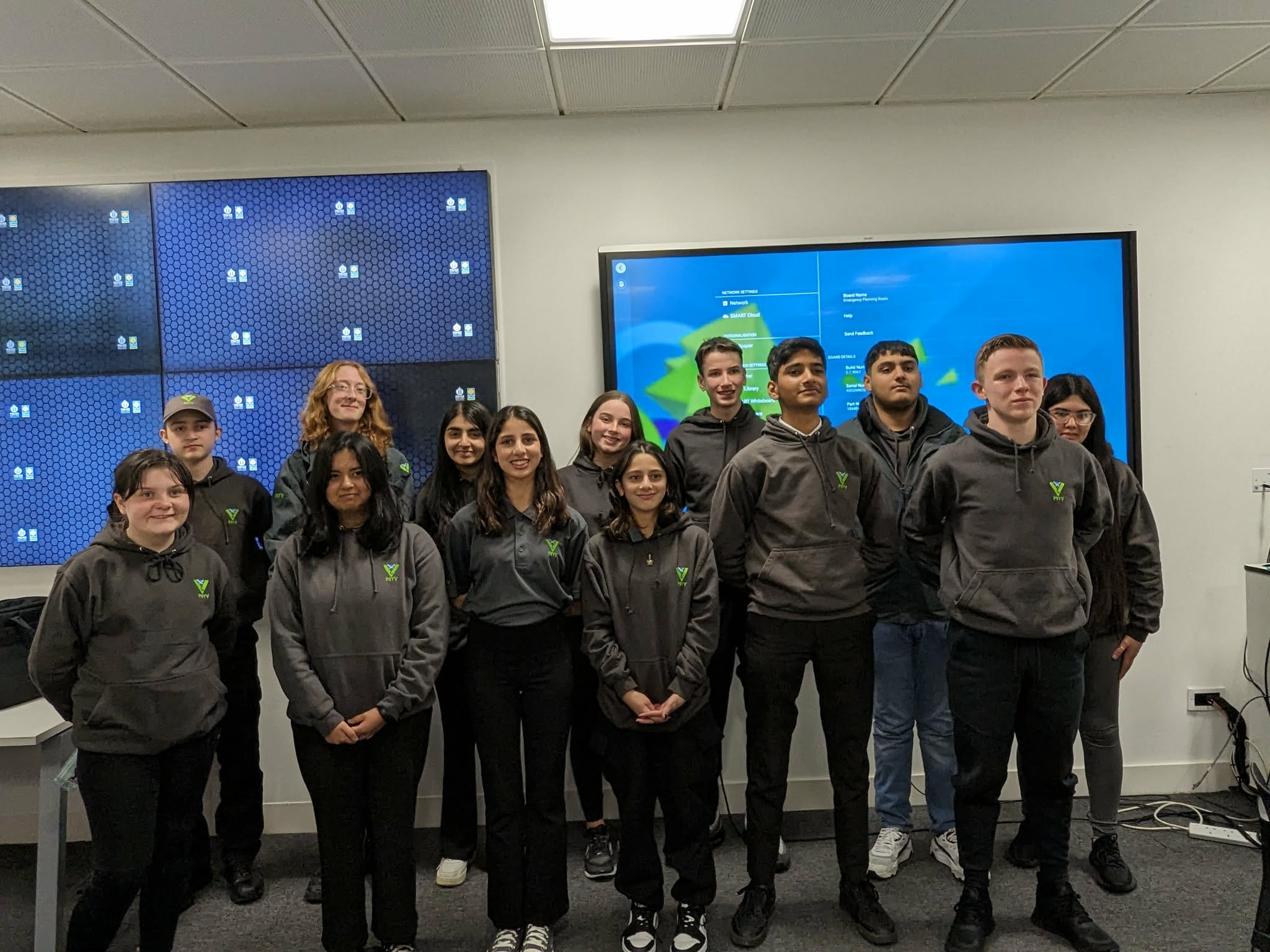
ABOVE: The PSYV co-creation team
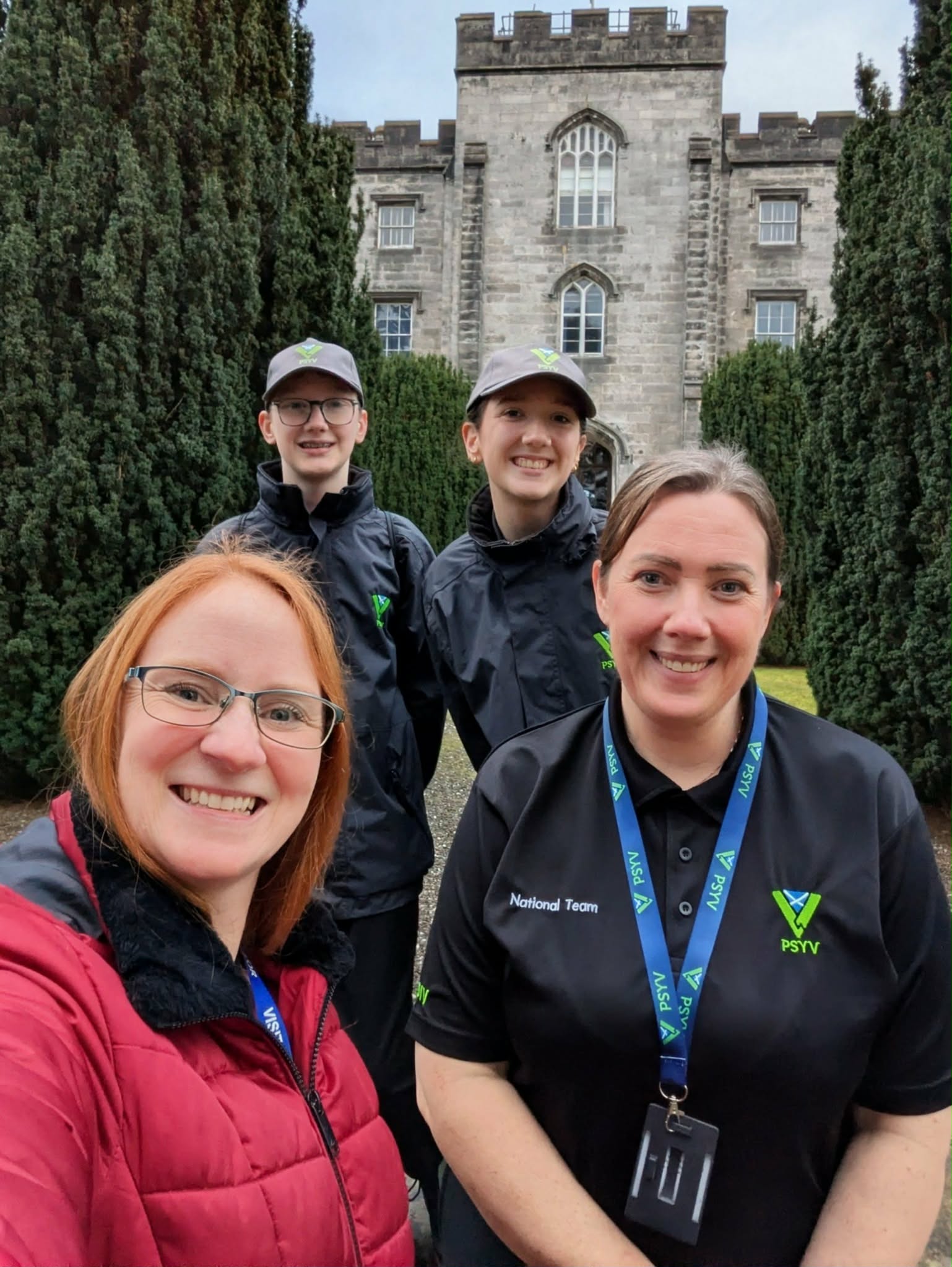
BELOW: Dr Skipper with PC Lynsey Ingram and two young people from PSYV at Tulliallan Police College