

Developing Semi-Permanence
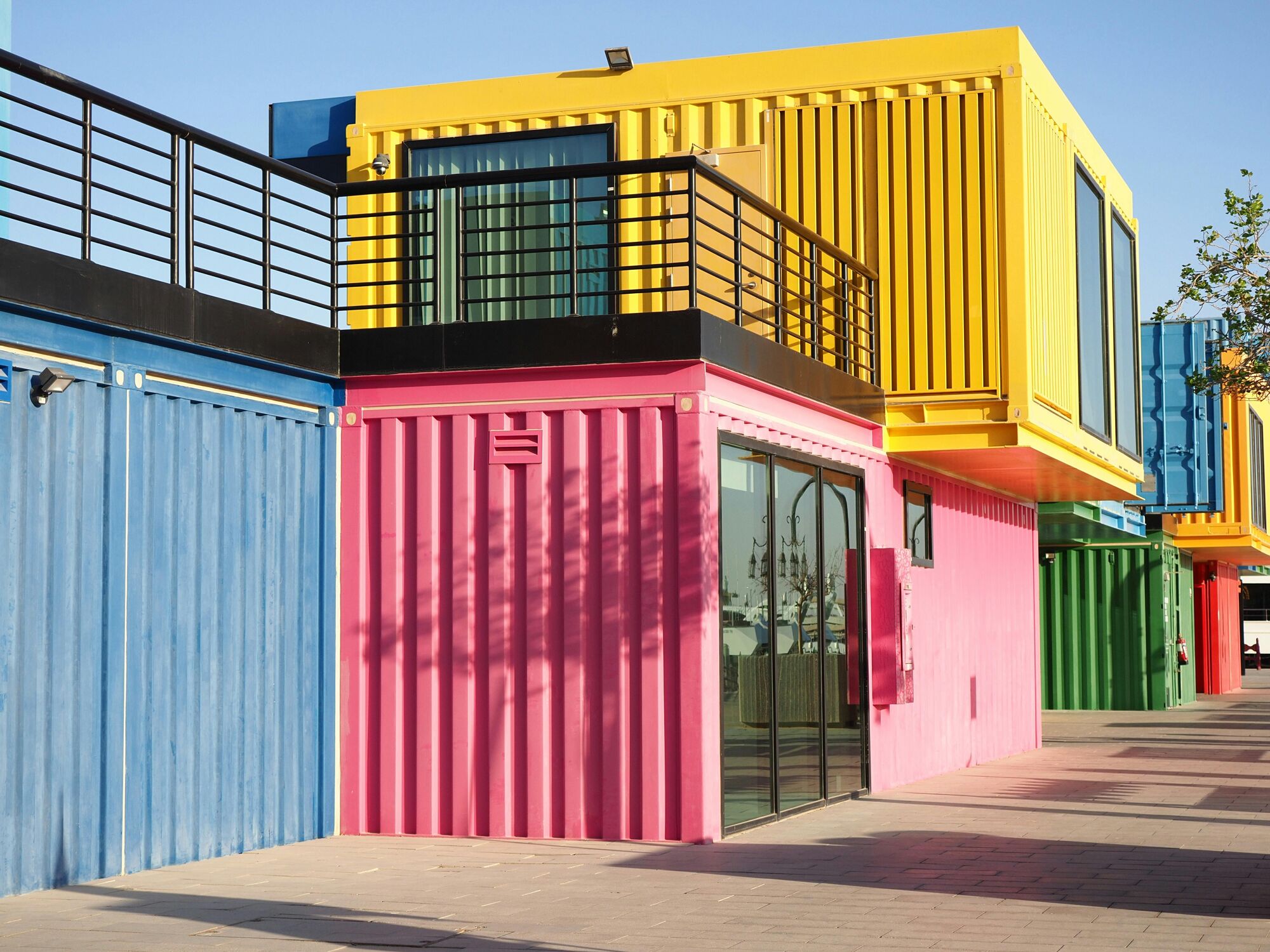
Semi permanent development as an approach to address conflicting time-based land designations.
About the Developing Semi Permanence project
As immediate development pressures collide with escalating long‑term climate risks, land use decision makers face increasingly complex choices, balancing present economic and social needs with future environmental impacts and vulnerabilities. Our interdisciplinary research explores the concept of semi-permanence as it applies to land uses and development.
Within this conceptual framing, semi‑permanent development is considered as an approach which can address conflicting time-based land designations. Semi-permanent development supports the planned, productive, and non-permanent use of land for a defined period, with the understanding that development can be safely and responsibly decommissioned as climate risks intensify.
Bringing together spatial planning and regulatory consenting, adaptation governance, and perspectives from temporary urbanism, the project offers new insights into how time‑bound interventions can do more than simply bridge the gap between short‑term needs and long‑term goals. Instead, they can actively prefigure more just, flexible, and adaptive spatial futures. Rather than viewing semi‑permanence as a compromise or stopgap, this research positions the temporary as a resilient, future‑focused alternative to more static and exclusionary models of development. By exploring the motivations behind existing examples of semi-permanence development and land uses, from across economic sectors and social uses, we will provide a solution for what to do with ‘temporarily utilisable’ land which may become unusual as the climate changes.
Aims and Approach
The project aims to assist a range of stakeholders navigating climate related land‑use challenges by defining and exploring the notion of semi-permanence and by strengthening the evidence base for semi‑permanent development. Our main objectives are to:
- Aid planners, regulators, and developers by collating a typology of semi‑permanent development examples, drawing primarily on Scottish precedents and case studies to illustrate how this approach is already being applied in practice.
- Support academics, policy professionals and decision‑makers by building the conceptual and policy foundations of a move towards semi-permanence as a framework for considering land uses.
- Enhance practitioner confidence by examining existing legal, regulatory, and governance frameworks, identifying barriers and opportunities for adaptation, and clarifying what would be required to enable time‑bound consenting within Scottish land‑use planning.
The project will feature a dedicated workshop, convening researchers, practitioners and our project partners to collaboratively explore and test emerging ideas. Input from these discussions will directly inform the development of thinking around semi-permanence, shaping its conceptual framing and practical relevance.
Links
Interested in collaborating, volunteering, or learning more?
Contact: Kat Fradera (Kat.Fradera@glasgow.ac.uk)