

Programme Directors
The Programme Directors lead and set the strategic direction of research and innovation of the programme within the Centre, within the programmes of Life Sciences, Physical Sciences and Engineering, Arts and Humanities and Economic and Social Sciences.
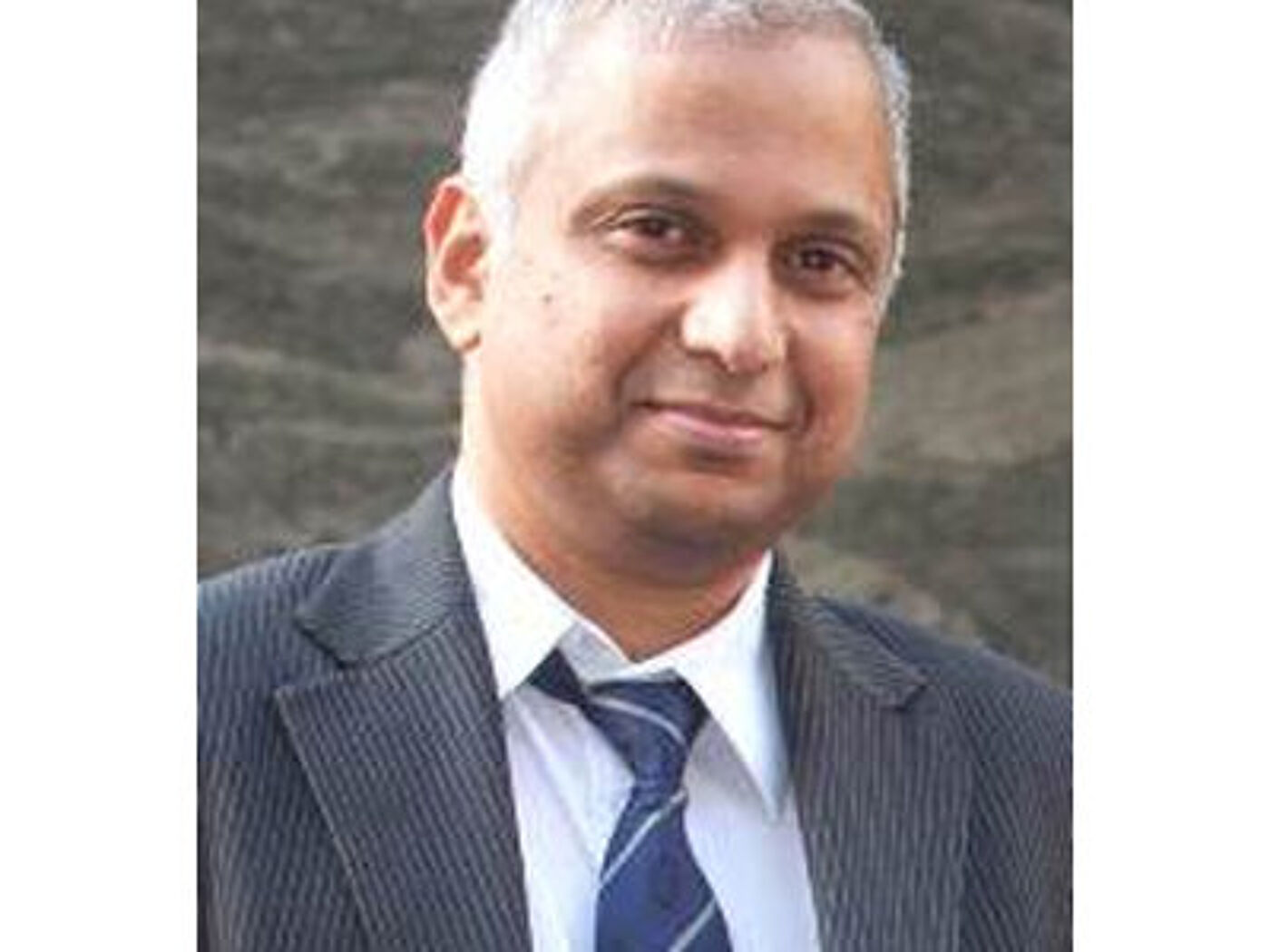
Professor Sandosh Padmanabhan
Pontecorvo Chair of Pharmacogenomics, School of Cardiovascular & Metabolic Health
We asked Professor Padmanabhan to answer a few questions about his background with data science and AI and his hopes for the future of the Centre for Data Science & AI.
Can you tell us about your background in Data Science and AI, and how your experiences have shaped your approach to the programme you'll be directing?
I have a strong background in data science, AI, and health informatics, with a focus on applying these methodologies to cardiovascular genomics, pharmacogenomics, and precision medicine. My expertise spans genomics, clinical trials, and population health research, integrating AI for risk stratification, drug-gene interaction modelling, and digital biomarkers. I have led the development of Trusted Research Environments (TREs) to enable AI-driven research while ensuring robust data governance. My experience across academia, the NHS, regulatory bodies, and industry has given me a broad perspective on embedding AI into healthcare. My approach to directing the AI in Health and Life Sciences programme will emphasize real-world impact, data-centric innovation, interdisciplinary collaboration, and workforce development to advance AI adoption in biomedical research and clinical practice.
What are your key goals and aspirations for the programme you're leading, and what do you hope and/or envision the Centre's impact on the wider University will be?
My goal is to establish the University of Glasgow as a leader in AI-driven biomedical research and healthcare innovation by creating an ecosystem where AI, data science, and health research converge to enhance patient care, accelerate discovery, and drive economic growth. A key priority is developing AI and health data science training programmes for clinicians, researchers, and students while promoting responsible AI adoption in healthcare. This programme will enhance Glasgow’s leadership in national AI healthcare initiatives, foster interdisciplinary AI research across medicine, veterinary, and life sciences, and strengthen connections with engineering, computer science and other disciplines to broaden AI’s impact beyond healthcare. Ultimately, it will establish the University as a global hub for AI-driven biomedical innovation and precision medicine.

Professor Bridgette Wessels
Professor in the Sociology of Inequalities (Sociological & Cultural Studies)
We asked Professor Wessels to answer a few questions about her background with data science and AI and her hopes for the future of the Centre for Data Science & AI.
Can you tell us about your background in Data Science and AI, and how your experiences have shaped your approach to the programme you'll be directing?
My research from PhD onwards has focused on the social dynamics of the innovation, development and use of digital technologies. My expertise is in the social shaping of technology and the ways in which it is developed and used in social contexts. These include health, education, work, media, inequalities and culture. A central part of my research is exploring new ways to work with data ranging back to the e-social science programme in the 2010s to more recent development of data ontologies in mixed methods research. The exciting and important topics social science addresses means it is always innovating in research methodologies. It is therefore important to ensure that AI and the data it work with is developed to meet the needs of social science research and its researchers. It is also important that social science informs the responsible and ethical use of AI in its research and in wider society.
What are your key goals and aspirations for the programme you're leading, and what do you hope and/or envision the Centre's impact on the wider University will be?
The Programme for Social Science and Economics aims to develop socially informed responsible and ethical AI that is fit for purpose, transparent and explainable. The programme will foster the social sciences to develop a research agenda that will inform research projects in various types of AI research and AI in social contexts. The research it will undertake will include critical analysis and applied research across the social sciences. In developing a research agenda and undertaking research till will train researchers at all levels in AI and related data practices. It will also seek to inform policy in the use of responsible and ethical AI.
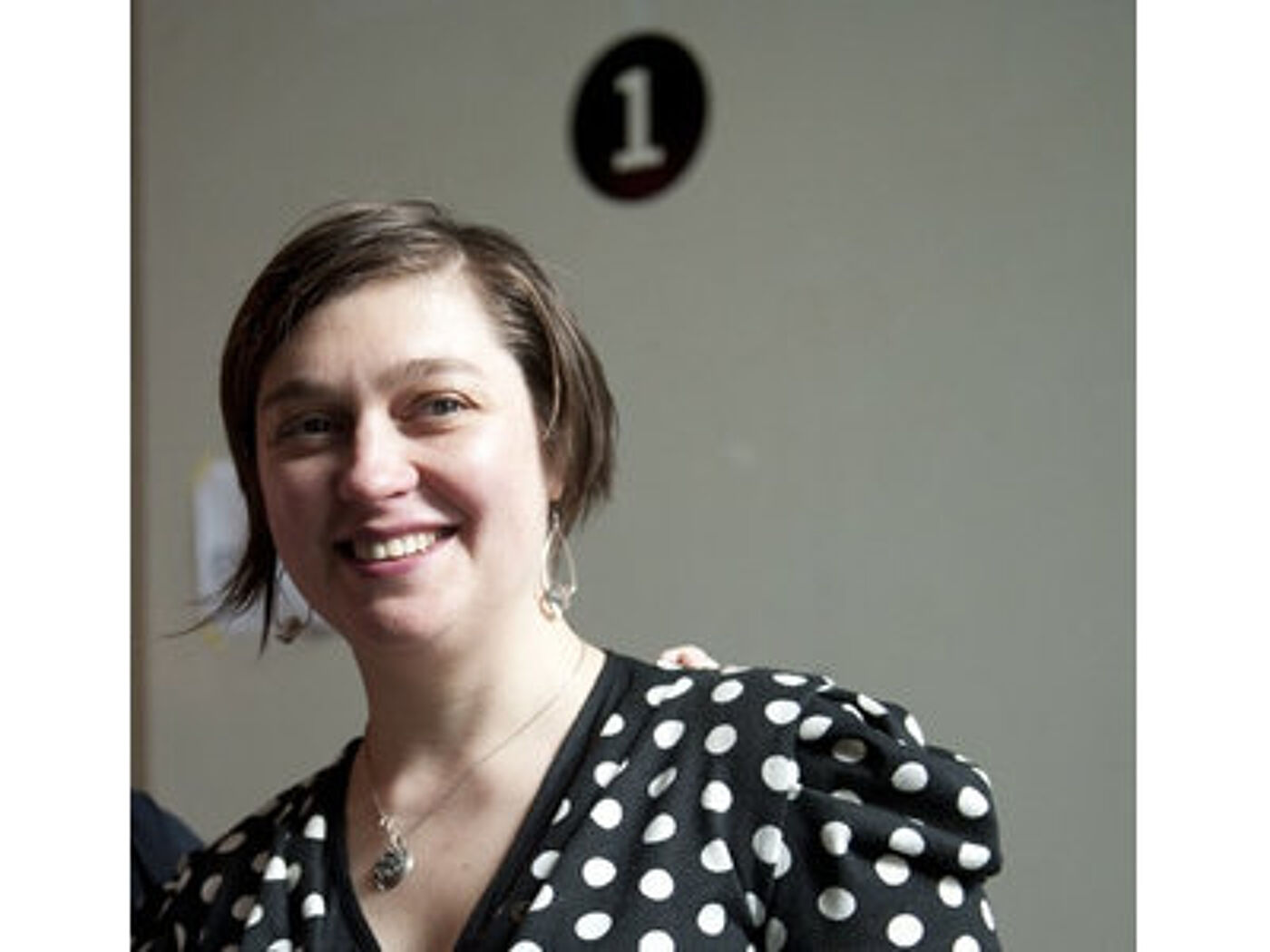
Professor Sarah Cook
Professor of Museum Studies (Information Studies)
We asked Professor Cook to answer a few questions about her background with data science and AI and her hopes for the future of the Centre for Data Science & AI.
Can you tell us about your background in Data Science and AI, and how your experiences have shaped your approach to the programme you'll be directing?
For a number of years I have been researching what contemporary artists have been doing with technology, from mobile data to generative systems to now AI. As part of my work as a curator I have commissioned artworks that reflect on humanity's entanglement with technology, whatever the latest new technology is. Twenty years ago I co-curated an exhibition about 'database imaginaries’ - the shared visions of how the ordered structuring of data builds worlds, how machine memory works, or how the algorithmic manipulation of content shapes discourse. AI is getting us to ask those same questions again but with even greater urgency. AI’s adoption across society has brought underlying data structures into the light, and made visible the labour and resources required to build and sustain them. Because my research often takes place in public, with audiences as participants, and with the exhibitions generating new content and insights in the way that a lab might, I’m hoping this approach will work for the programme at the CDSAI. I strongly believe that the arts and humanities open up a space for collective questioning, criticality and public understanding. What’s needed now is a real interrogation of the capitalist narratives of big tech, such as the industrial deployment of engineered ’solutions’ when the problem that the technology is purporting to solve isn’t even fully understood yet. The arts and humanities are uniquely positioned to bring nuance, historical grounding, and ethical reflection.
What are your key goals and aspirations for the programme you're leading, and what do you hope and/or envision the Centre's impact on the wider University will be?
Despite my current critical lens, I’m genuinely positive in the long view. There are many researchers across the arts and humanities who are using AI in novel ways, and pushing forward mindful use of it in their sectors, such as in the creative industries (art, music) and in museums, libraries, archives, and other cultural heritage organisations. One of my goals for the centre is to bring the lessons from this work to a wider field. Yet I also aim for my role to be to hold space for researchers who don’t just work with AI but do work _about_ AI and the transformational effect it is having on society. Arts and humanities scholars play a crucial role in demonstrating why and how technologies should be deployed—and when they should be questioned. Particularly important is to reflect on what human agency is in relation to technology, and I want the Centre to be a place where such lived experience learning is not only welcomed but encouraged. Through this, the Centre can help the University recognise that technical understandings of AI are nothing with the critical, creative, and contextual ones alongside.
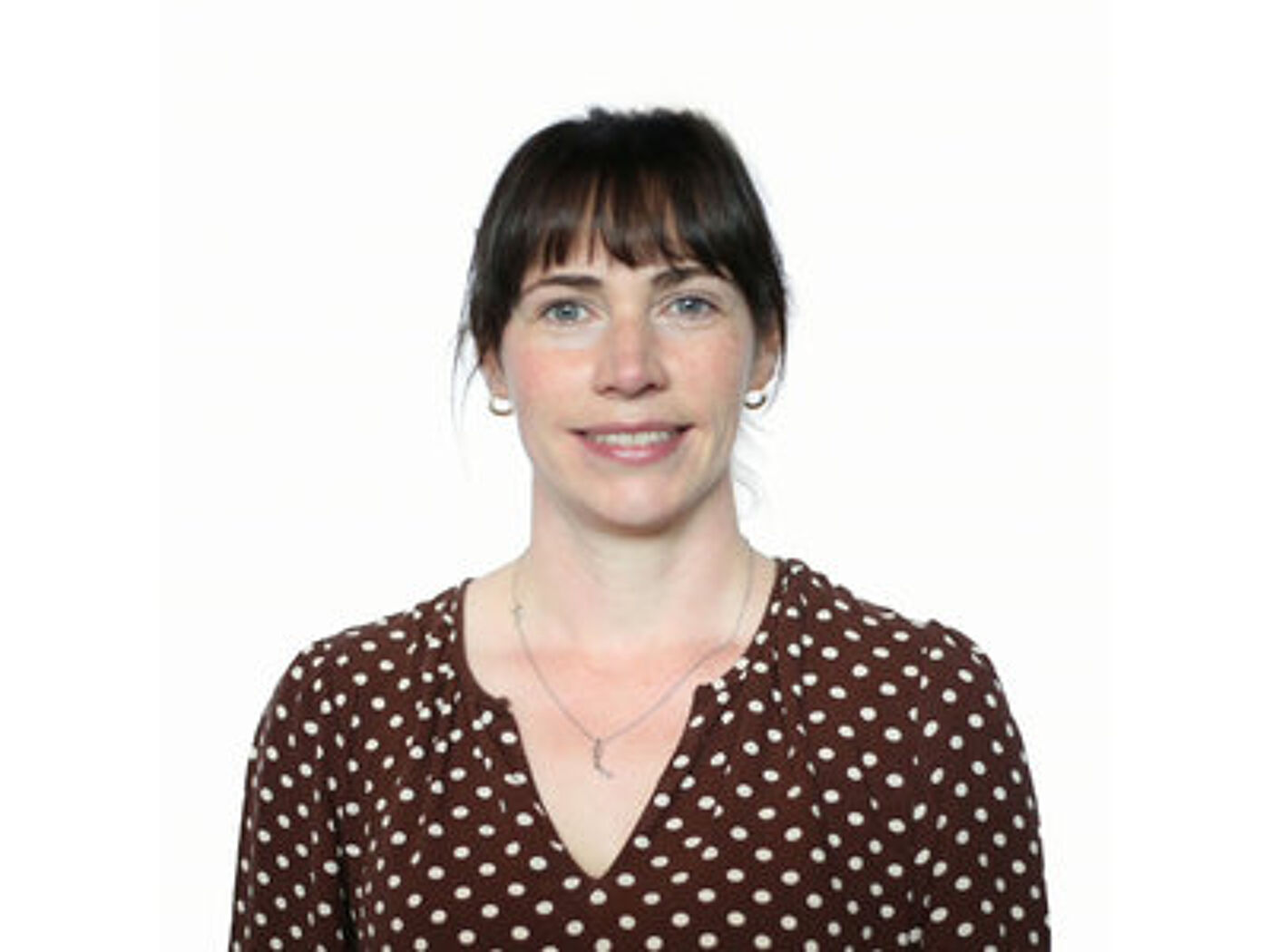
Dr Katy Tant
Senior Lecturer (Systems Power & Energy) and Honorary Lecturer (School of Engineering), James Watt School of Engineering
We asked Dr Tant to answer a few questions about her background with data science and AI and her hopes for the future of the Centre for Data Science & AI.
Can you tell us about your background in Data Science and AI, and how your experiences have shaped your approach to the programme you'll be directing?
My primary research interest lies in developing mathematical models and frameworks that enable us to work backwards from observed data to gain insights into the world around us. Specifically, I focus on interpreting scattered wave data to image the interior of solid objects and map their spatially varying material properties. This capability to look inside opaque objects has applications in a diverse array of fields, including non-destructive evaluation, medical imaging and diagnosis, and seismology. In recent years, my research group has expanded beyond traditional inverse problem frameworks to examine the use of deep learning to approximate the high-dimensional, nonlinear relationships between observed data and its causal factors.
My research sits at the interface between applied mathematics, data science, engineering and industry, and I am committed to promoting the need to work across these disciplines to tackle real-world challenges. I hope to use this collaborative, multi-disciplinary approach to inform and direct the Physical Sciences and Engineering Programme.
What are your key goals and aspirations for the programme you're leading, and what do you hope and/or envision the Centre’s impact on the wider University will be?