

GALLANT Gathering set to showcase success of ‘living lab’ research project
Published: 9 November 2026
A pioneering project which is using Glasgow as a ‘living lab’ to explore new ways of making cities more resilient to the effects of climate change is celebrating five years of research with a sold-out three-day event at the University of Glasgow.
A pioneering project which is using Glasgow as a ‘living lab’ to explore new ways of making cities more resilient to the effects of climate change is celebrating five years of research with a sold-out three-day event at the University of Glasgow.
The Glasgow as a Living Lab Accelerating Novel Transformation project, or GALLANT, is welcoming visitors from around the world to the University for a three-day event between Monday 9th and Wednesday 11thNovember.
The GALLANT Gathering will host a series of workshops, research presentations and walking tours to showcase how the multidisciplinary collaboration has changed the city’s approach to environmental challenges, and inspired other cities around the globe to follow suit.
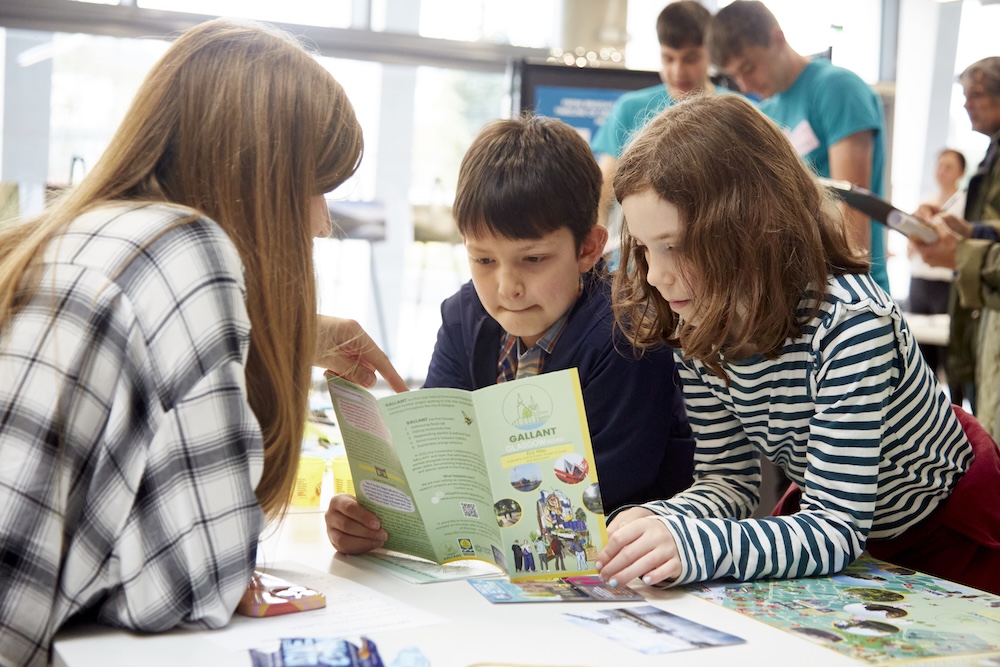
Launched in February 2022 and backed by £11m in funding from the Natural Environment Research Council (NERC), the five-year GALLANT project was inspired by the Glasgow Climate Pact signed by world leaders at COP26, held in the city in 2021. The project was set in motion when Glasgow City Council joined the Thriving Cities Initiative, a key COP26 legacy.
The University of Glasgow-led project unites researchers from across all four of the University’s Colleges, who have worked closely with Glasgow City Council to develop dozens of groundbreaking research projects using a ‘systems thinking’ approach which considers how action in one area will affect outcomes in another.
One major outcome from the project which visitors to the GALLANT Gathering will hear about is the development of the Thriving Glasgow Portrait, developed in consultation with local communities and decisionmakers across the city.
The Portrait was inspired by the ‘doughnut economics’ framework created by researcher Kate Raworth which outlines a new approach to balancing economic growth with sustainability. The Portrait document identified identified 44 indicators to help the city find a path to providing citizens of Glasgow with a healthy natural environment that delivers economic growth within sustainable boundaries.
Those indicators have led to the development of new guidelines set to be adopted by Glasgow City Council, which will help inform the city’s environmental decisionmaking in the years to come.
GALLANT research has also helped make the case for the expansion of the city’s public transport system through the Informing Clyde Metro project, compiling two reports which highlighted the environmental benefits of mass transit alongside making it easier for people to choose active travel measures like cycling.
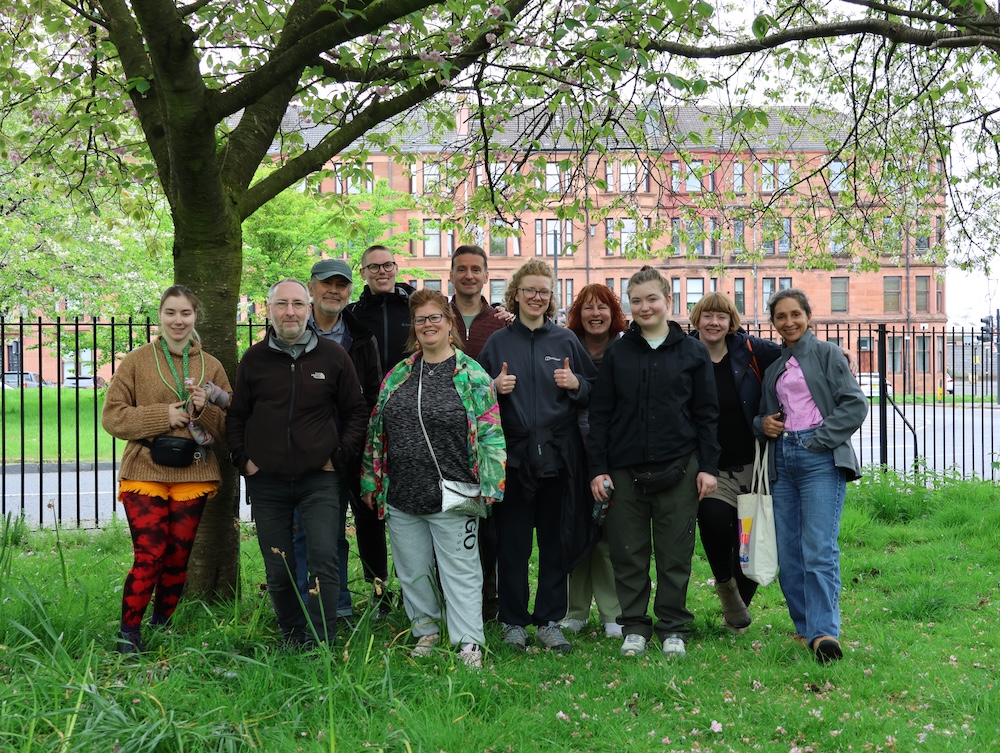
Other community-focused successes from GALLANT include the development of communiMap, a free community science app that invites Glaswegians to build a shared picture of the city’s urban trees, hidden wildlife, flooding, local energy projects and compost heaps. GALLANT researchers have also worked directly with community groups in partnership with Glasgow Science Centre to deliver the Roots Project, a series of STEM engagement activities for families. A project called Phonoautobothy showed how renewable energy could be used to power a music festival, demonstrating the potential of green methods of supporting the arts.
Professor Jaime Toney of the University of Glasgow, GALLANT’s principal investigator, said: “We’re delighted to have this opportunity to welcome people to the University to learn more about the impact that GALLANT has made across the city of Glasgow since 2022. We have a great deal to say about the way that GALLANT put local communities at the heart of evidence-gathering and decision-making, building on research pioneered elsewhere and offering useful templates for other cities to follow in the future.
“Over the last five years, we’ve invited people to map the trees in their local park in Govan, enlisted volunteers to measure the air quality in their neighbourhoods in the Gorbals, and asked them to use our Communimap app to build a detailed picture of their local natural environments.
“Cities around the world are going to be hit hard by the challenges of the climate emergency, and projects like GALLANT are vital to explore new ways of building resilience. Glasgow City Council has set the UK’s most ambitious net zero goal, and we’ve worked closely with them to find new ways to help the slash emissions by 2030. The University puts our partnership with the city at the heart of our recently-published Glasgow 2036 strategy, and GALLANT shows what can be achieved when research expertise is combined with a community-focused approach to decision-making.”
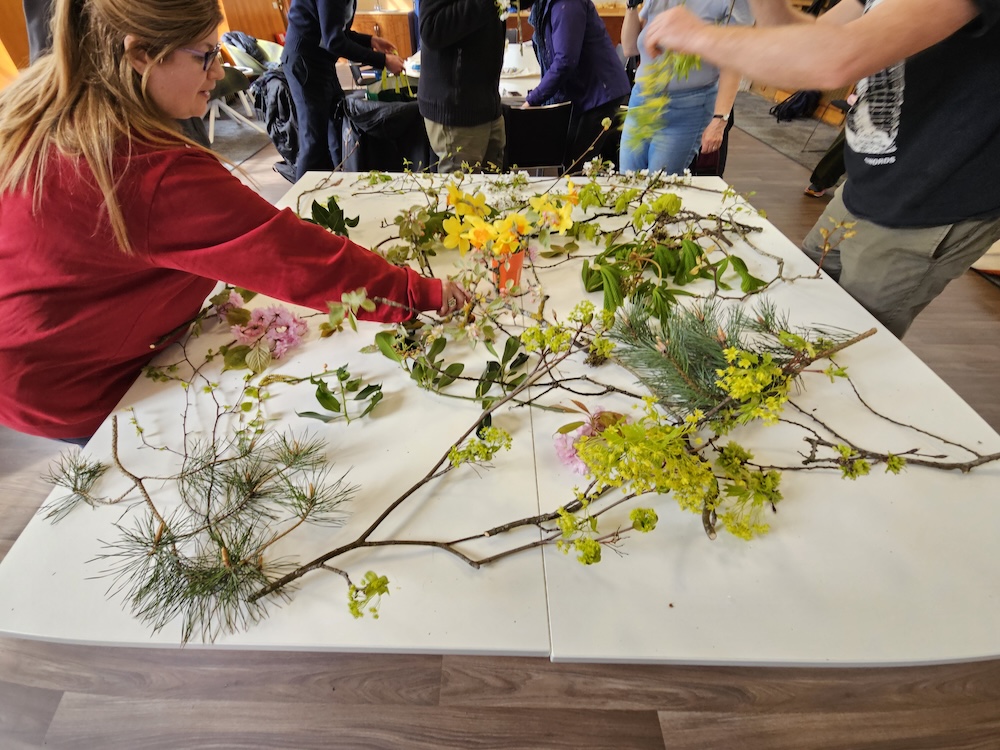
The Gathering’s keynote speakers are Heather Claridge, Strategic Spatial Planning Group Manager for Glasgow City Region; Councillor Angus Millar, Glasgow City Council’s Convener for Climate, Glasgow Green Deal, Transport and City Centre Recovery; and Professor Julie Fitzpatrick, Chief Scientific Adviser for Scotland 2021–2025.
Although tickets for the GALLANT Gathering are now sold out, the University of Glasgow’s Mazumdar-Shaw Advanced Research Centre will host a public exhibition during the event, and the plenary sessions will be livestreamed.
First published: 9 November 2026
Related links