

New research on knitting in Scotland traces two centuries of innovation, craft and fashion
Published: 23 October 2026
Knitting in Scotland: Culture, Craft and Industry is the first comprehensive history and analysis of Scotland’s knitting trade.
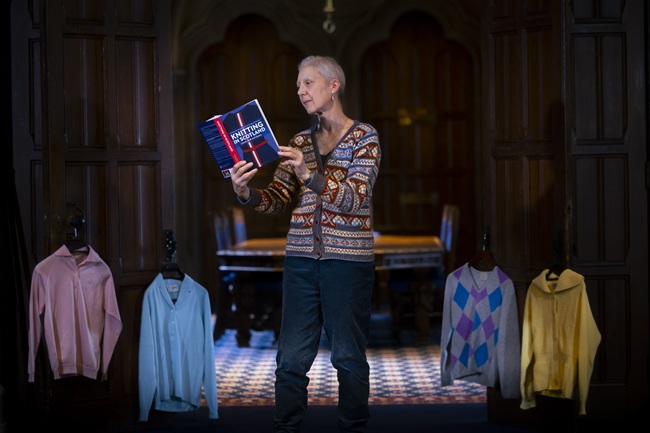
New research published today tells the story of Scotland’s knitting industry and the people who help build it
Knitting in Scotland: Culture, Craft and Industry is the first comprehensive history and analysis of Scotland’s knitting trade. The book unpicks the distinctive place of knitting in the Scottish landscape, economy, culture and communities from the 19th century to today.
Based on University of Glasgow led research project – Fleece to Fashion – the book traces the industry from its raw materials of sheep fleece, through domestic knitting and industrial production to luxury fashion. It also explores how Scottish knitting adapted to major economic, social and technological change while maintaining the skills and knowledge that have helped build its international reputation.
Drawing on research from communities across Scotland, the book also puts the people behind the industry at the centre of its history.
The book is co-authored by University of Glasgow’s historians Professor Lynn Abrams; Dr Roslyn Chapman, Dr Lin Gardner, Dr Sally Tuckett and Professor Marina Moskowitz of the University of Wisconsin–Madison
Professor Lynn Abrams, Chair in Modern History at the School of Humanities | Sgoil nan Daonnachdan, said: “The story of the Scottish knitwear industry combines the traditional with the modern. Heritage brands and styles such as Fair Isle and Argyle continue to have resonance for Scottish and international designers; the reservoir of skills and experience in Scotland is key to the industry’s survival. This book tells that story, of how an industry with its roots in domestic production became internationally famous.”
Dr Sally Tuckett, Senior Lecturer, History of Art at the School of Culture & Creative Arts said: “Knitting in Scotland is a phenomenon that is personal, regional, national, and global, all at the same time. At a time when Scottish craftwork is under increasing pressure from various forces, the history of knitting in Scotland shows us how people, craft, skill and design, have adapted and evolved. Knowing this history is not only important in its own right but it can also perhaps help us navigate how it might survive in the future.”
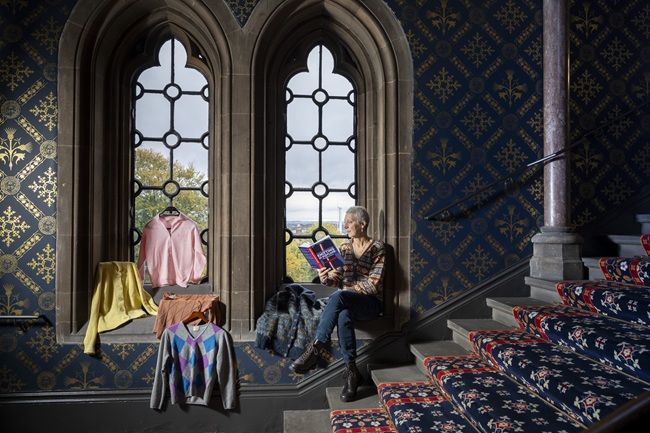
Covering communities across Scotland, from Shetland to the Borders, the research highlights the role of workers, particularly women, manufacturers, designers and knitters in shaping an industry that remains an important part of Scotland’s economy and cultural heritage.
The knitwear trade in Scotland dates back to 1496. The book traces how knitting developed from a widespread domestic craft into an internationally recognised industry. By the 20th century, Scottish companies like Pringle, Lyle & Scott, Barrie and Ballantyne, had helped establish a global reputation for Scottish knitwear built on quality, craftsmanship and innovation.
However, the research also reveals a broader and more diverse story than one centred solely on the Borders and Scotland's best-known luxury brands. Communities across the country, from Shetland and the north-east to Glasgow and the west of Scotland, played a role in the development of the industry.
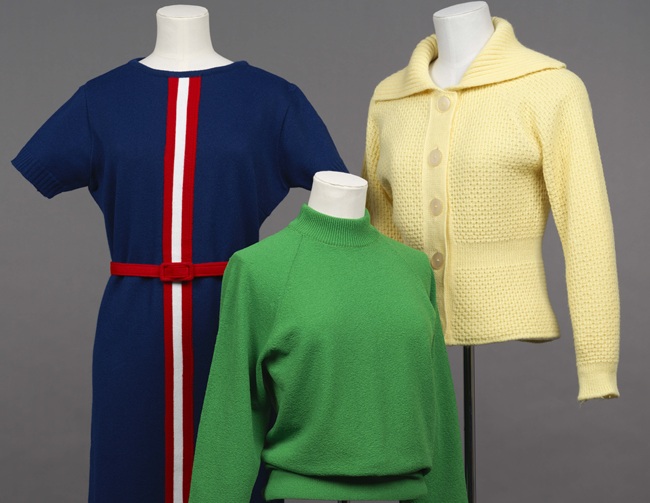
The book also showcases stories of local communities involved in knitting industries including Glasgow knitwear manufacturer Twomax. Producing both traditional and fashion-led knitwear for domestic and international markets, the company highlights the important role that Glasgow and central Scotland played in an industry more commonly associated with the Borders.
The book also highlights the contribution of thousands of workers whose skills and expertise helped sustain the industry through periods of significant economic and technological change.
A key thread throughout the book is the contribution of generations of women whose work helped sustain Scotland's knitting industry. From knitting garments for family use and local trade to working in factories and producing knitwear from their own homes, women played a central role in an industry that became an important source of employment and income across Scotland.
At its height in the 1950s, the Scottish knitwear industry employed almost 17,000 people in 198 businesses, accounting for approximately 12% of the UK industry.
But at the heart of this industry and a successful business is people and community, with the book quoting Emma Hay at Johnstons of Elgin: “We’re a family-run business and we want everybody to feel part of that journey, there’s a commercial imperative to make sure that we practise what we preach.”
Scottish knitting remains firmly in the spotlight today. Olympian diver Tom Daley's enthusiasm for knitting has brought the craft to a new generation, while Netflix film A Castle for Christmas saw Brooke Shields learn to knit for scenes featuring a Scottish knitting club. Knitwear and Scottish designers are also gaining a global audience through The Traitors, where Claudia Winkleman's knitwear wardrobe has become one of the programme's most talked-about features.
The book concludes: “There is definitely room for further investment, whether corporate, governmental or charitable – for example, for training and apprenticeship programmes in both hand skills and digital programming, as well as the structures of creative economies. Nonetheless, the rich heritage of knitting in Scotland does provide a usable past for the 21st century, as it continues to inspire innovation in design, making and marketing of knitted products.”
Fleece to Fashion
Fleece to Fashion: Economies and Cultures of Knitting in Modern Scotland was an Arts & Humanities Research Council funded research project from 2019 to 2022 led by Professor Lynn Abrams.
The project has helped to widen our understanding of the knitting industry in Scotland, including fashion, gendered labour and the relationships between craft-based and industrial production.
The project’s book, Knitting in Scotland: Culture, Craft and Industry authored by Lynn Abrams, Roslyn Chapman, Lin Gardner, Marina Moskowitz and Sally Tuckett, is published by Bloomsbury. It is being officially launched on Friday 23 October at the University of Glasgow.
Knitting in Scotland: Culture, Craft and Industry is an open access publication and can be read here - Bloomsbury Collections - Knitting in Scotland
First published: 23 October 2026
Related Links
- Professor Lynn Abrams - Research Profile
- Dr Roslyn Chapman - Research Profile
- Dr Lin Gardner - Research Profile
- Dr Sally Tuckett - Research Profile
- Professor Marina Moskowitz, University of Wisconsin–Madison
- School of Humanities | Sgoil nan Daonnachdan
- School of Culture & Creative Arts
- College of Arts & Humanities
- Bloomsbury Collections - Knitting in Scotland