

How archaeology is helping children put down roots in their community
Published: 28 August 2026
Primary school pupils in Scotland have become archaeologists for their town, uncovering stories of the past and building a powerful sense of belonging through a groundbreaking UofG led archaeology project.
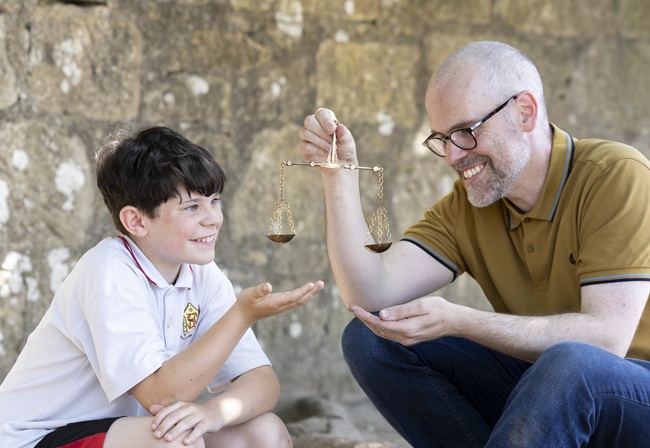
Primary school pupils in Scotland have become archaeologists for their town, uncovering stories of the past, exploring their local landscape and building a powerful sense of belonging through a groundbreaking archaeology project led by the University of Glasgow.
The exciting ArchaeoCamp pilot has seen more than 60 Primary 6 pupils from Hermitage Primary School, Helensburgh, take part in hands-on archaeology workshops designed to bring Scotland’s past to life and to foster a sense of belonging for Naval children living in Argyll and Bute.
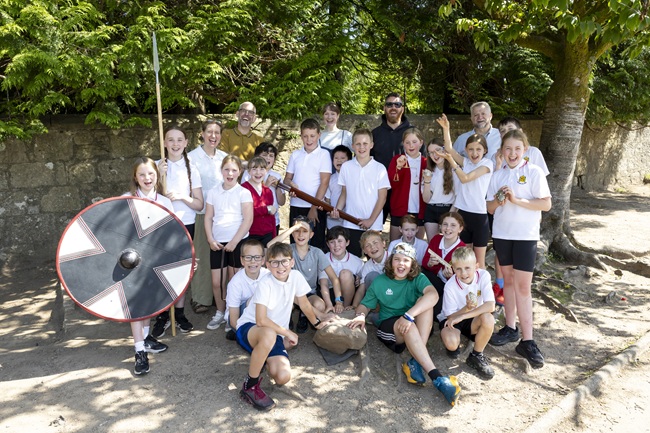
Working alongside expert archaeologists and education researchers at Glasgow, children and their teachers have carried out their own archaeological investigation in Helensburgh; exploring the fascinating prehistoric rock art of the Clyde Valley, looking at archives and artefacts and learning how to identify, interpret and share archaeological discoveries.
Funded by the Naval Children’s Charity, the project team from the University’s School of Education and School of Humanities, are working with children, teachers and decision makers, to evaluate the contribution of incorporating archaeological field experiences into formal and informal learning. The project is supporting pupils to develop meta-skills including cognition, collaboration, belonging and identity and creating opportunities to enhance their connections with community.
It is hoped that this pilot will be expanded to work with schools in the first instance in the West of Scotland to explore the benefits of spending time outdoors and their connection to their local community through learning about local archaeology sites.
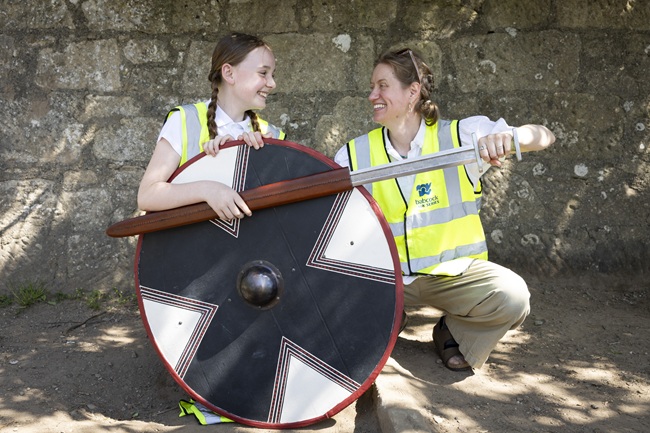
Dr Nicole Smith, Lecturer in Museum Education, said: “We’ve enjoyed so much working with the P6 pupils on this archaeology investigation. The University of Glasgow specialises in field-based approaches to archaeology. Teaching and learning together with Hermitage Primary has been such a great way to open up these experiences to primary school children in Scotland.
“We’re planning now to extend this work across Argyll and Bute and to work with school pupils and teachers to develop digital resources and a live teaching programme so that more children can use archaeological skills to find out about where they live and make personal connections with their own local past.”
Dr Gareth Beale, Senior Lecturer in Archaeology, said: “It has been brilliant to work with pupils and staff at Hermitage Primary to see how archaeology can bring a community together to celebrate all that makes this town special and distinctive. The children have given me totally new insights into the significance of the past of this region, and it has been a pleasure to share these visions with the world.”
Rachel Morrison, P6 teacher at Hermitage Primary School said: “ArchaeoCamp has supported our pupils to make connections with Helensburgh. I definitely think that helps them with their sense of community and their sense of history and where we’re from.”
Paul Mulvenna, Acting Headteacher at Hermitage Primary School said: “The ArchaeoCamp project has given our pupils a wonderful insight into what makes their local community so unique. It has also helped them develop vital skills for life and work, standing them in excellent stead for the future.”
The pilot, delivered in partnership with The Naval Children’s Charity, has focused initially on supporting children from Armed Forces families, many of whom experience frequent moves and disrupted schooling, helping them develop a meaningful connection to the places they live.
Samantha Dewar-English, Community Engagement Officer, The Naval Children’s Charity said: “The Naval Children's Charity has been delighted to build such a productive and fascinating partnership with the team at the University of Glasgow. As part of our Life Chances Programme, which offers funded activities for Naval children, ArchaeoCamp has provided Naval children with a sense of community and shared learning about their home. Things can be challenging for young people who may well be moving around the country and activities like this where they can form bonds and understand their new home better really do make a significant difference to their wellbeing.”
The pilot took the form of five ArchaeoCamp workshops which supported children’s development of knowledge about their local environs and the development of transferable archaeological skills. The pupils have learned about Scotland's past, finding out about local rock art and the heritage of their town and met archaeologists from the University and from Archaeology Scotland, a leading national archaeology charity.
ArchaeoCamp worked with the pupils at Hermitage Primary for the whole term and through ArchaeoCamp they have developed key skills for careers in Archaeology, Museums, and Heritage. The pupils have learned how to conduct archaeological surveys and carry out artefact analysis and recording. They have also taken part in storytelling, creative interpretation, and digital media production as part of their final exhibition.
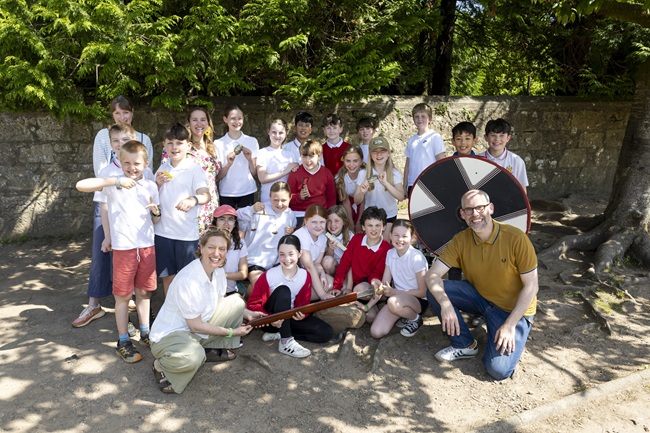
The Helensburgh pupils’ archaeological journey culminated with a recent exhibition of the pupils’ work and the unveiling of a new walking route based on the class research into a local rock art site. The pupils’ work on display included: comic strips, audio plays, artworks, clay sculptures, and archaeological illustrations, as well as the finds from their field-walking survey.
Next steps for the project will be a roll-out of digital teaching resources and live classroom experiences with archaeologists and to inform approaches to inclusion for children moving into and around Scotland through Forces connections.
ArchaeoCamp: Place-based learning through Archaeology and Heritage, University of Glasgow
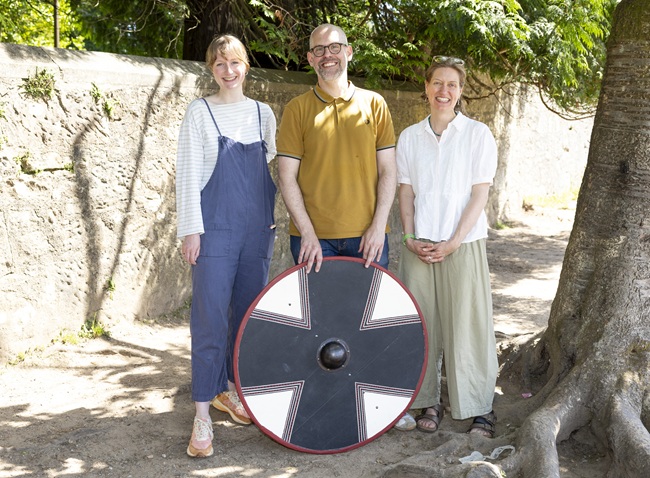
Archaeologists have been working with Hermitage Primary School, Helensburgh, to develop a programme of workshops designed to support place-based learning for pupils in P6.
The project team is made up of Dr Nicole Smith (School of Education), Dr Gareth Beale, Dr Elizabeth Robertson, and Dr Kenny Brophy (School of Humanities), from the University of Glasgow, and has included also working with Dr Eddie Stewart of Archaeology Scotland. The pilot project is funded by The Naval Children’s Charity.
Learn more here: ArchaeoCamp
The Naval Children’s Charity
The Naval Children’s Charity is the UK’s only charity dedicated solely to supporting children of Royal Navy, Royal Marines, and Royal Fleet Auxiliary families, providing practical, emotional, and financial help to those facing the pressures of service life. It works nationally to ensure naval children feel secure, supported, and able to thrive despite the challenges of mobility, separation, and the unique demands placed on military families.
Archaeology Scotland
Archaeology Scotland is a national charity that inspires people to discover, explore and protect Scotland’s rich archaeological heritage. Through learning programmes, community projects and hands‑on activities, it helps people of all ages connect with place, history and each other, strengthening local identity and fostering long‑term stewardship of Scotland’s past.
First published: 28 August 2026