


From fighting cholera to restoring ecosystems
Restoring planetary health through soil and water remediation
Global failings in waste disposal have left a toxic legacy, polluting our air, water and soil with pharmaceuticals, heavy metals and microplastics. But what if the tiniest organisms could solve the biggest problems? What if community science sparked global action? What if environmental damage could be undone?
At the University of Glasgow, we’ve been changing the world for 575 years, and now our research is shaping the future of global sustainability.
In collaboration with other key members of the Water and Environmental Engineering Group, Professor Caroline Gauchotte-Lindsay is developing bold, interdisciplinary solutions to protect both human and planetary health.
Holistic approach
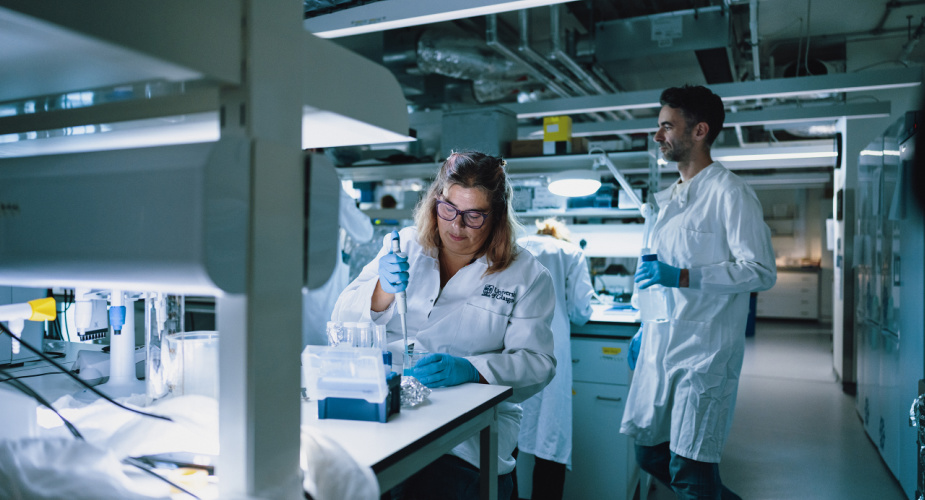
Professor Gauchotte-Lindsay’s work focuses on chemical pollutants - substances that often originate from human waste and cycle back into ecosystems, affecting all forms of life. Her approach is rooted in the concept of ‘One Health’, which recognises the interconnectedness of human, animal, plant and ecosystem health. She believes that environmental pollution cannot be tackled in isolation and that a holistic, systems-based approach is essential.
In a purpose-built lab at the University’s Advanced Research Centre, her team works with real-world samples - soil, sediment, water, sewage sludge, and even bird and sheep droppings - to understand how contaminants behave and transform. Using advanced analytical tools and techniques, they isolate and identify pollutants, track their movement through environmental systems and explore how they change under different treatments.
Mitigating pollution
Professor Gauchotte-Lindsay's research teams span several related areas. One major focus is rethinking wastewater treatment, not just to remove pathogens, but to address broader environmental crises such as climate change and biodiversity loss. The goal is to transform treatment plants into resource hubs that recover clean water, nutrients and even pharmaceuticals.
They are also working to reclaim industrially polluted land locally, combining carbon capture with contaminant immobilisation to make urban spaces usable and sustainable, especially in low-income communities disproportionately affected by pollution.
Together with University biomedical engineers, Glasgow researchers are developing real-time pollution sensors that detect events like untreated sewage discharge into rivers, enabling faster responses and better water quality monitoring. Scientists are also working to mitigate the presence and impact of so-called ‘forever chemicals’ in sewage sludge used on farms.
Researchers are even exploring pharmaceutical recycling by recovering unmetabolised drugs from urine and wastewater, potentially creating circular systems for medication reuse.
Tackling global challenges of climate change, pollution and biodiversity loss with these pioneering, interdisciplinary environmental engineering research projects, the University of Glasgow is shaping a healthier, more sustainable future for us all.
Restoring planetary health through soil and water remediation
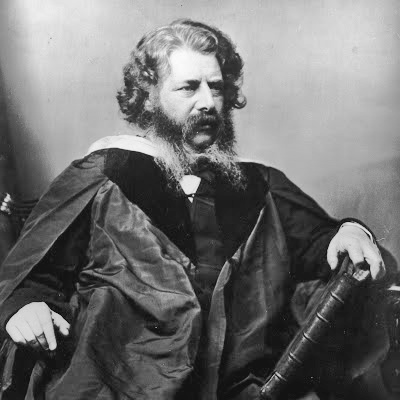
William Macquorn Rankine
Theoretical scientist and educator, William Macquorn Rankine (1820–72) was Regius Professor of Civil Engineering and Mechanics at the University of Glasgow
Rankine made major contributions to thermodynamics and engineering. He advanced a complete theory of the steam engine, developed safer railway construction, and worked with shipbuilders to radically improve vessel design.
But among his most impactful projects, Rankine helped establish practical civil engineering and theoretical scientific principles for modern water systems. He was instrumental in engineering a fresh water supply from Loch Katrine to Glasgow to tackle the city’s cholera epidemic, providing safe, clean water to its growing population.
Find out more
Innovative solutions for sustainable water management and environmental resilience in a changing world.