

A flourishing partnership with Tanzania
In early January this year, a journey through Tanzania for two UofG staff members offered a vivid reminder of the strength of international research partnerships and why they matter. Professor Chris Pearce, Vice-Principal (Research & Knowledge Exchange), and Mary Ryan, International Research Development Manager, travelled across the country to spend time with the University’s longstanding research partners – where the staff include a number of UofG alumni – and saw first hand how shared endeavours translate into real-world change.
From visiting major health research institutes to field sites embedded in some of the planet’s most extraordinary ecosystems, the week was rewarding and energising. “There are few better ways to understand the impact of international research partnerships than to spend time with the people and institutions that sustain them,” says Chris. “What struck me was not only the quality of the science, but the maturity of these partnerships and the shared commitment to tackling the most pressing global health and environmental challenges.”
Research partner visit: Tanzania
Watch: behind the scenes with our partners in Tanzania
Enduring ties
Some of those partnerships stretch back decades, such as those with the Ifakara Health Institute, with some Tanzanian scientists both valued collaborators and now proud UofG alumni. Working together has helped advance understanding of malaria, from prevention to control, alongside a distinctive ‘One Health’ approach to rabies.
A similar ethos underpins the University’s work with the Nelson Mandela African Institution of Science and Technology, an institution conceived by Mandela himself to nurture Africa’s next generation of scientific leaders. What began around 15 years ago, driven by Professor Sarah Cleaveland, has grown into an impressive alliance, with more than 160 jointly authored publications and a shared focus on infectious and zoonotic diseases that sit at the human-animal-environment interface.
Small is beautiful
For Mary Ryan, the visit also underscored the fragility of this kind of work in a landscape of challenging funding cuts. Many of the most impactful collaborations unfold over the long term rather than simple grant funding cycles. The Serengeti Biodiversity Research Programme, led by Professor Grant Hopcraft, is a powerful example. Built on long-term data collection, the programme’s Serengeti Wildlife Tracker supports monitoring and decision-making across Serengeti National Park, including the conservation of cheetahs and black rhinos. “Small pots of funding can make an enormous difference,” Mary says, “and a bridging grant can be the difference between keeping experienced staff in place or having to start from scratch again when the next ‘big’ grant comes along.”
At the Kilimanjaro Clinical Research Institute (KCRI) in Moshi, which is closely linked to a major tertiary hospital and university, the close integration of research, clinical care and training creates a powerful environment for tackling major health challenges. Our partnership there, which began by focusing on zoonotic disease, continues to broaden and now produces more than 20 joint publications each year.
All taken together, the visit showed beyond doubt the value of long-term commitment to a shared purpose, with outstanding UofG research shaping lives and futures.
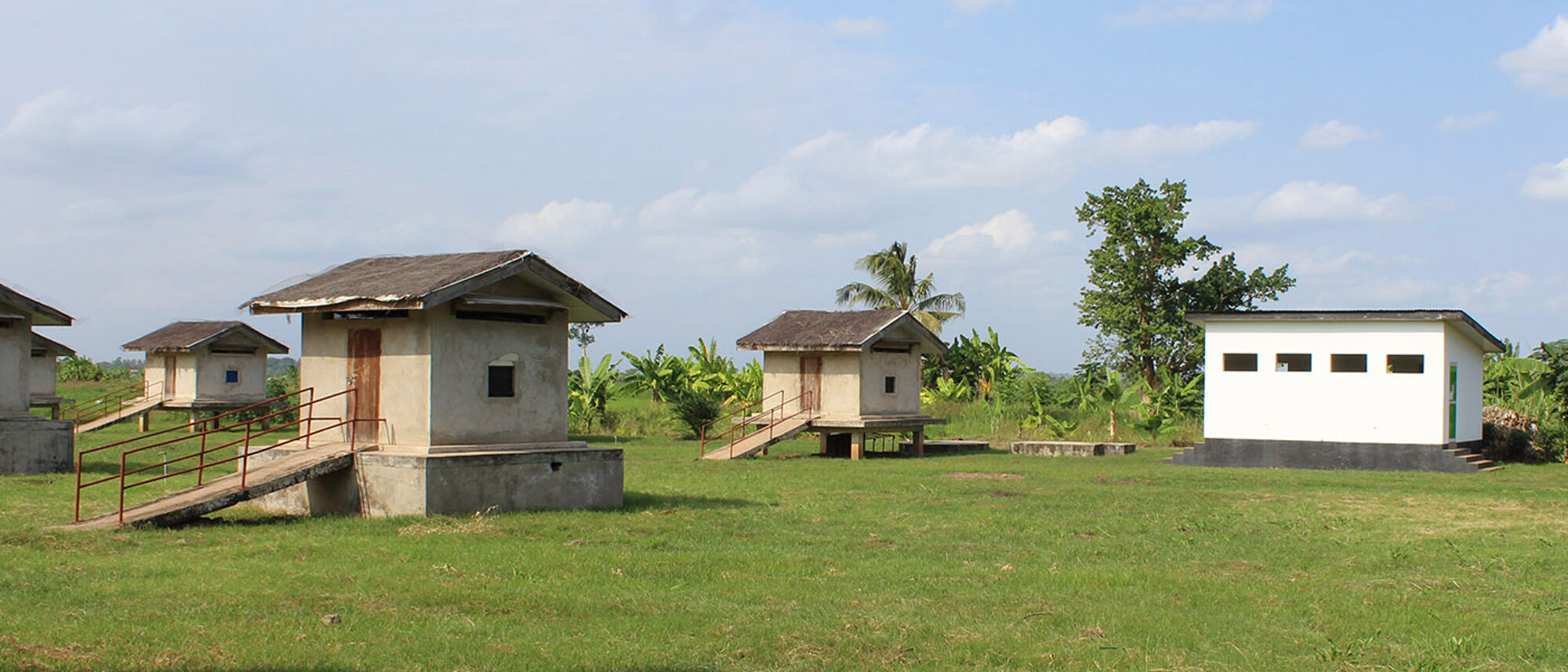
Main image: the experimental huts at Ifakara used to study mosquito behaviour and malaria control techniques.
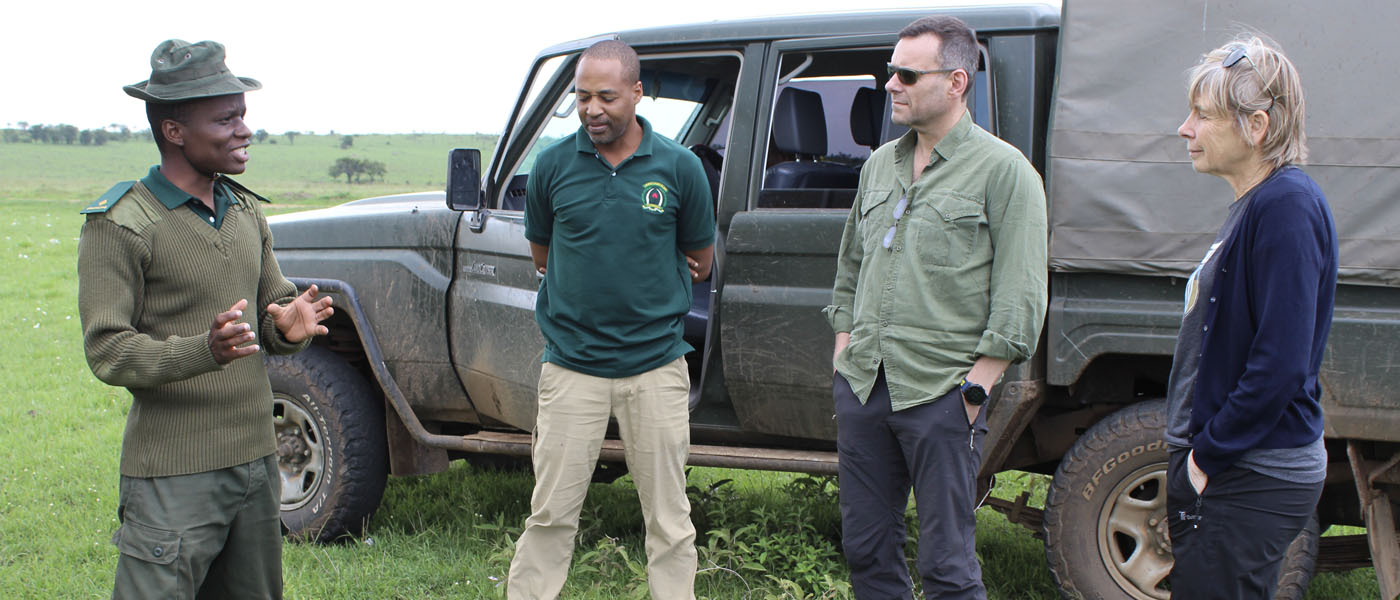
Image above: Professors Chris Pearce (second from right) and Sarah Cleaveland (right) at the Ifakara Health Institute
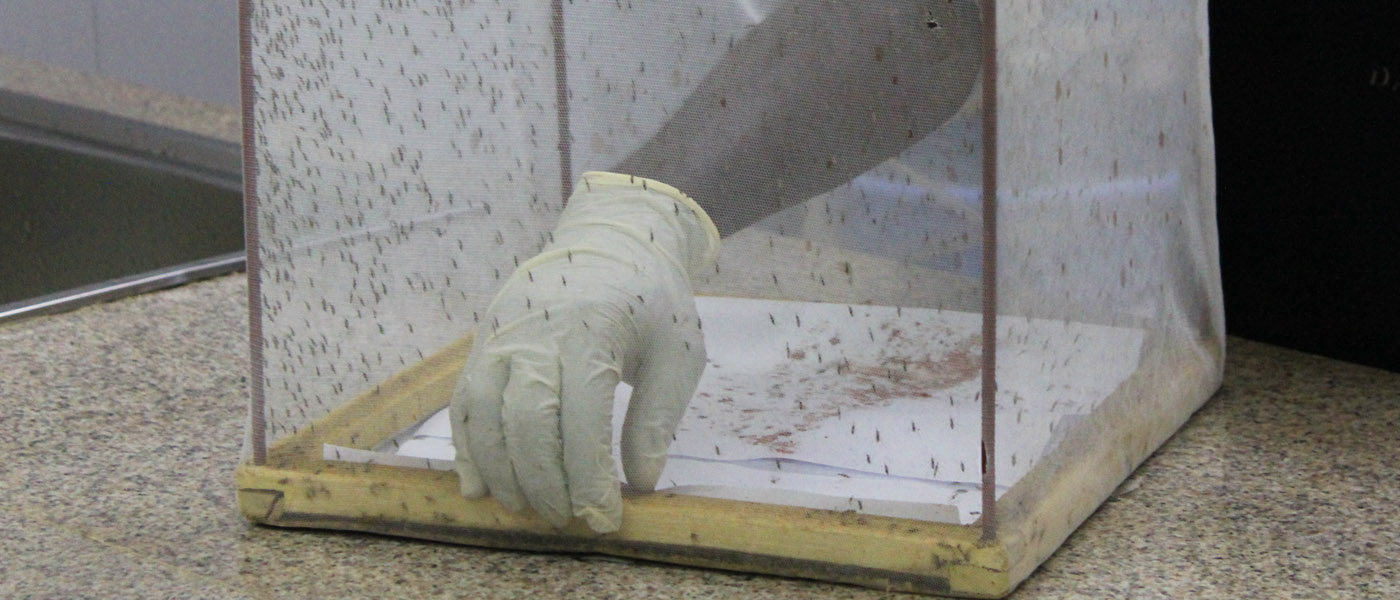
Image below: experimental mosquito feeding at the Institute
Images: Mary Ryan
This feature was first published in April 2026.