

Zean She
More Than Just a Feast: The Magic of Chinese New Year
Chinese New Year is so much more than just that one famous dinner. It's a month-long festival full of rituals and good wishes. The celebration really kicks off with 'Little New Year' (which falls about a week before the main event), and each day the excitement builds until New Year's Eve.
We have so many traditions passed down through generations. In the lead-up to the big day, every date on the calendar has its own special job. On the 23rd of the last lunar month, we send the Kitchen God off to report on the family. On the 25th, you'll find us grinding soybeans to make tofu. These might sound like small, fussy rituals, but they're really all about our hopes for a better year ahead. Every bit of busy preparation gets us one step closer to that all-important night.
Actually, all the prep starts well before the New Year arrives. We do a massive spring clean, which we call 'sweeping the dust', to get rid of any bad luck from the past year. Once the old energy is cleared out, it's time to welcome the good stuff in. Every house starts putting up red couplets, pasting the character for 'fortune' on doors, and hanging red lanterns everywhere you look. Why so much red? Because in our culture, it means joy, luck, and a life that's 'on fire' (in a good way!). We also stock up on foods with lucky meanings. Sticky rice cakes, for example, symbolise a 'higher year' – basically, we're wishing for things to keep getting better, whether that's in our studies or careers. And sweets, they're all about hoping for a sweet life. All of this comes from a sincere wish for peace, health, and prosperity in the year to come.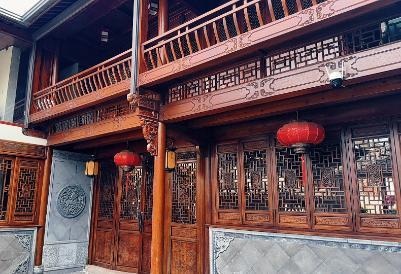
⬆️: This is my home! I took this photo in the morning, so the lanterns aren't lit yet.
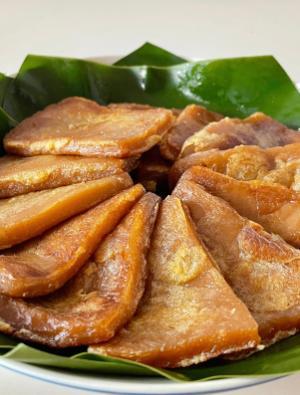
⬆️: Sticky rice cake
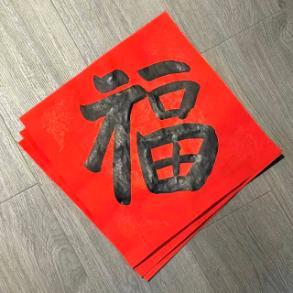
⬆️This is a Chinese word: FU, it means good fortune
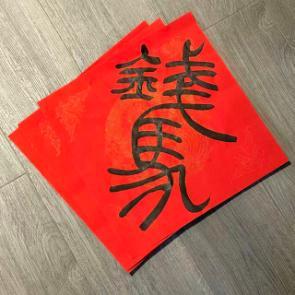
⬆️: This word means money will come to you in the Year of the Horse
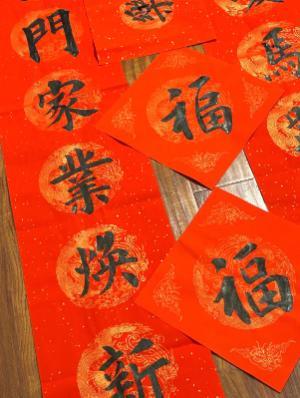
⬆️: These are spring festival scrolls. The word in the middle is FU which means good fortune
And when all the prep is finally done, the main event is just around the corner. No matter where they are studying in another city or working abroad, people will do whatever it takes to get home before New Year's Eve. — For that one meal of the year: the reunion dinner. This is our big family get-together, and it shows just how much we value family bonds. As cool as the outside world can be, nothing beats coming home to a light left on just for you.
Every single dish at the reunion dinner tells a story of family togetherness. Take those glistening braised pork belly chunks – they always make a show on New Year's Eve. The meat, with its perfect layers of fat and lean, is stewed until it's fall-apart tender. My grandad calls it 'New Year meat', and says it only counts if it melts in your mouth – it really tests your patience. Fish is another must-have, whether it's steamed or braised, always served whole. This represents 'a good start and finish' – a complete and round life. I never got why we weren't allowed to flip the fish as a kid, but now I understand: it's about hoping for smooth sailing ahead, without any ups and downs. Plus, the word for 'fish' sounds exactly like the word for 'surplus' in Chinese. Having 'leftovers' means we'll never go hungry – it's such a simple, down-to-earth wish. That's why we never finish everything on the table; we always leave a bit for the new year. To be honest, It's not really about the food. What matters is having the whole family around the table, laughing and chatting. The clinking of chopsticks, the grown-ups chatting over drinks, the kids running around – all those sounds blend together into what we call the sound of New Year.
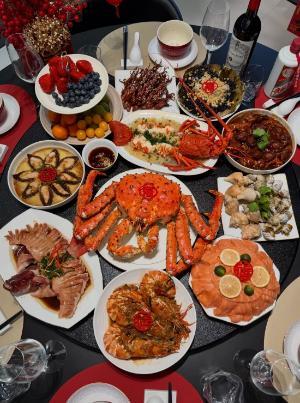
⬆️: Our reunion dinner!
New Year's Eve is when the festivities really kick into high gear. When midnight strikes, we drop dumplings into boiling water while fireworks light up the sky. This is the moment we say goodbye to the old year and welcome the new one. But the celebration doesn't end when the dinner plates are cleared. On this special night, the grown-ups hand out 'lai see' – red envelopes filled with lucky money. We spend the whole night setting off fireworks, watching the Spring Festival Gala on TV, playing cards, and just hanging out together. This night is unique because we 'shou sui' – we stay up late, and for once, the kids get a pass on bedtime! The following days have their own rhythms: New Year's Day means new clothes and visiting relatives for greetings, the second day is for married daughters to visit their parents (in Chinese tradition, women typically spend New Year's Eve with their husband's family, so this day is for them to go back to their own parents), the fifth day we welcome the God of Wealth (which is my favorite!). Each day has its own traditions, its own special buzz. Visiting friends and family, exchanging New Year wishes – the festive atmosphere just keeps rolling on.
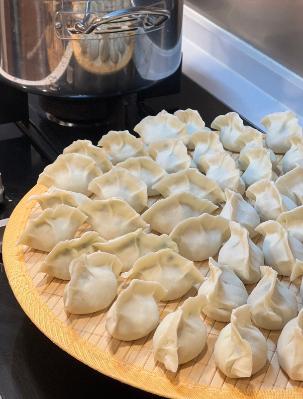
⬆️: Raw dumpling
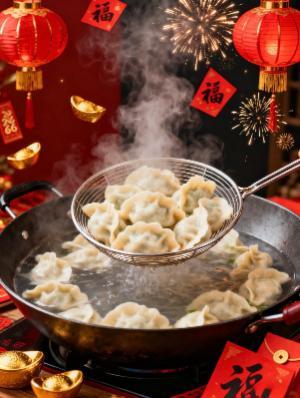
⬆️: Finished dumpling
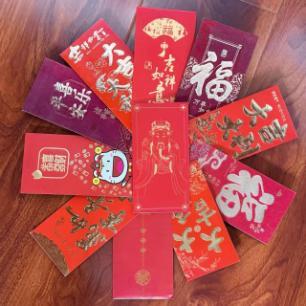
⬆️: Red packets I received!
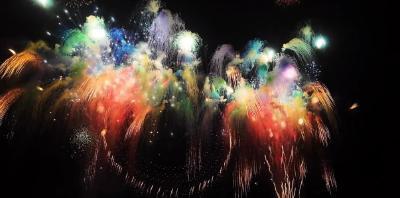
⬆️: Beautiful fireworks!
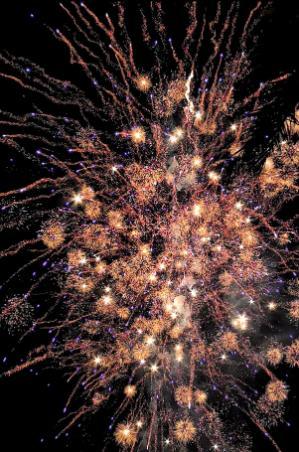
⬆️: More beautiful fireworks!
And finally, we reach the 15th day of the first lunar month: the Lantern Festival. This is when our month-long celebration finally comes to a beautiful close. On this day, every household tucks into sweet glutinous rice balls called 'tangyuan' – they symbolise family togetherness and a sweet life. Outside, the streets come alive with colourful lantern displays and riddles to solve. It's like we're saving all the leftover festive cheer for one last big party under the moonlight. As the last lantern flickers out and we swallow our final tangyuan, this grand celebration slowly winds down. We tuck away all the warmth and good wishes we've gathered, and step into a brand-new year.
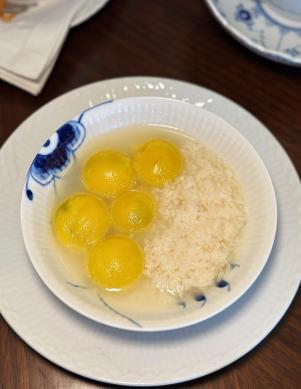
⬆️: Sweet glutinous rice balls. In Chinese we called “tang yuan”