

From Housing Beneficiaries to Urban Citizens? Governing state-supported housing for urban inclusion in the majority world
If the global commitment to providing adequate housing for all is to be met, we must ensure the long-term sustainability of state-sponsored housing projects. This housing is a potential pathway to both dignified living conditions and socio-political inclusion in cities, and across the world’s most rapidly-urbanising regions, these projects are unfolding quickly and at scale. However, this pathway is often disrupted in practice, with residents suffering lasting social dislocation after being rehoused, sometimes compounded by physical decline of the housing they have moved into. Urban citizenship is potentially a crucial link here: where residents are able to be proactive urban citizens, rather than passive housing beneficiaries, can this restore this pathway, and transform these outcomes?
Through comparative work across cities in India, China and South Africa, we will offer insights into how residents can be empowered within state-sponsored housing projects. We will do so by looking at everyday practices of governance: what does the state expect from residents as housing 'beneficiaries', and how do residents lobby for the core services and social infrastructure vital to them, but also to the wider success of housing projects?
Funder: ESRC
Contact us: Paula.Meth@glasgow.ac.uk
Room 244, 29 Bute Gardens, Glasgow, G12 8RS
The project runs for 30 months from 1 May 2026.
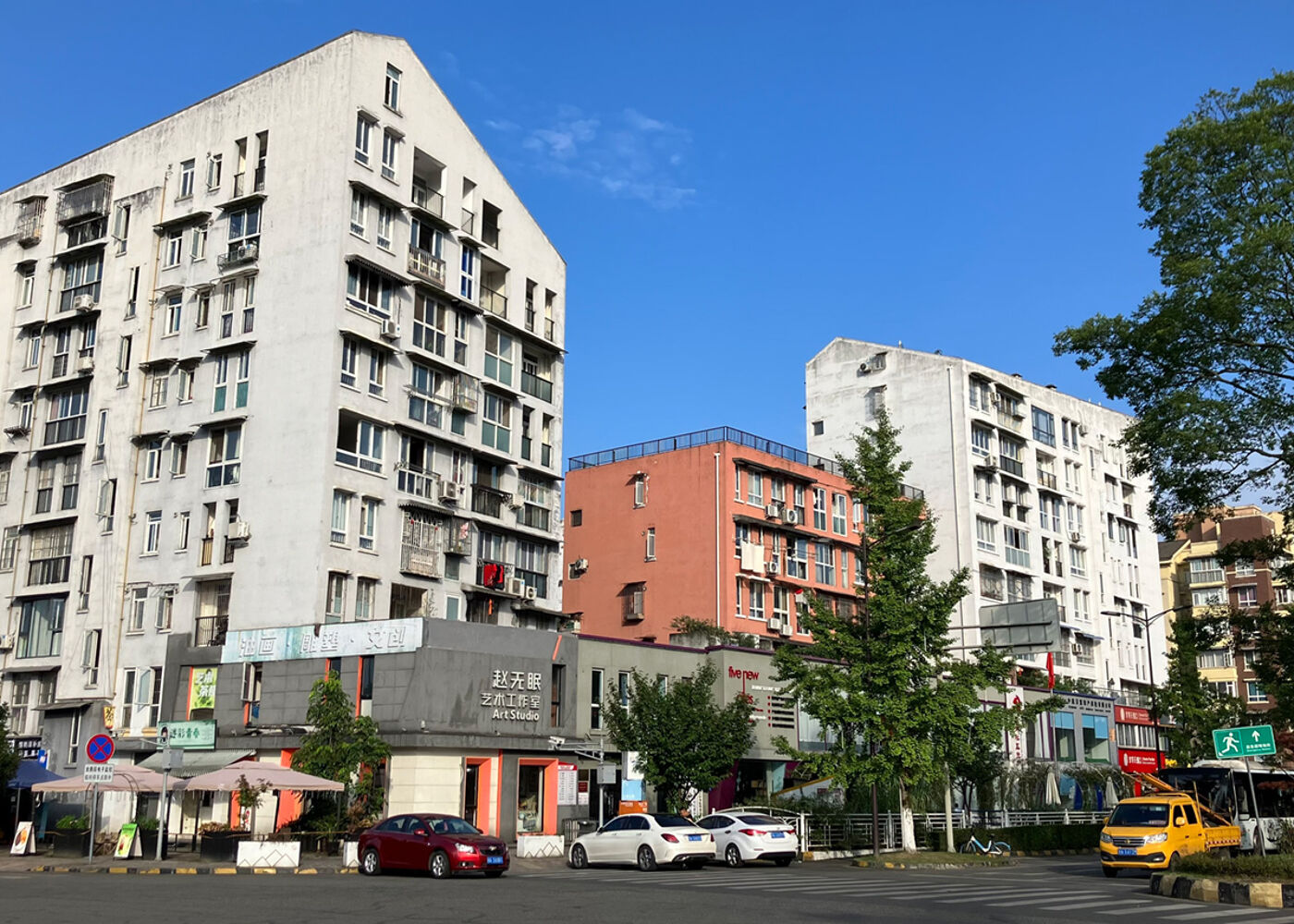
Yijie Boulevard, a relocation settlement in Dujiangyan city, Sichuan province, China.
Photo by Zheng Wang.
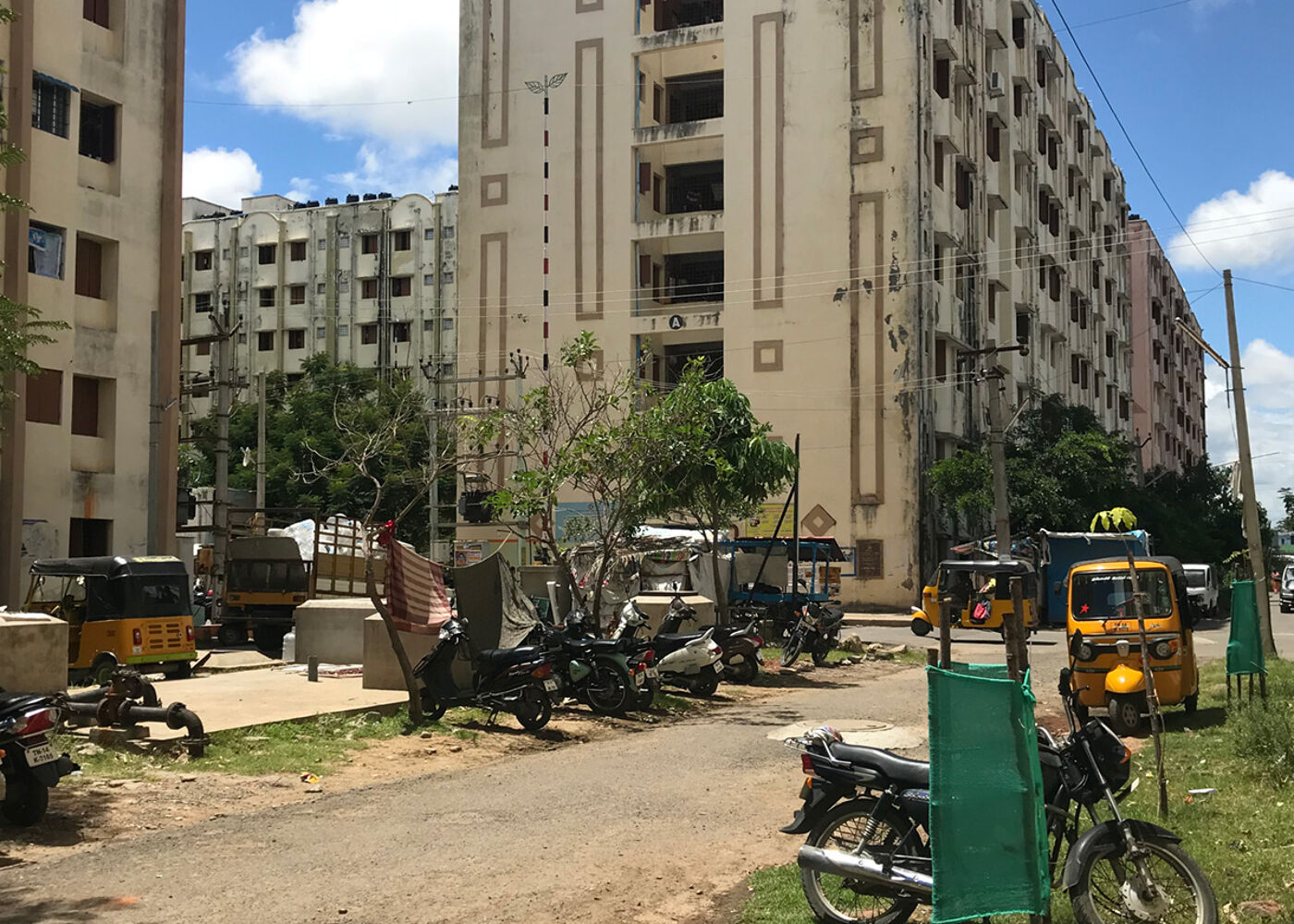
State housing in Chennai, India.
Photo by Darshini Mahadevia.

State housing in South Africa.
Photo by Mark Lewis.
Bringing together a project team with deep familiarity with its case-study cities, the project will use its comparative perspective to seek real-world impact. It will engage with housing practitioners throughout the research process to prompt international dialogue on housing policy and practice. From Housing Beneficiaries to Urban Citizens therefore offers a unique opportunity to provide academic and practical insights into the global challenge of delivering housing for all in ways that are sustainable and empowering.
Project team
Led by , University of Glasgow, the project will work in partnership with the following Co-Investigators:
- Glyn Williams (University of Lund, Sweden)
- Sarah Charlton (University of the Witwatersrand, South Africa)
- Zheng Wang (Kings College London)
- Darshini Mahadevia (Ahmedabad University, India)
- Qinran Yang (Southwest Jiaotong University, China)
- Lalitha Kamath (Tata Institute of Social Sciences)
- Amite Bhide (Tata Institute of Social Sciences)
Research assistants will be appointed in each of the four study contexts.