

Ethics Review Policy
As a research-led institution, the University of Glasgow is committed to upholding and supporting the highest standards of ethics, academic rigour and research integrity. Maintaining these standards is essential to ensuring the quality, credibility, and trustworthiness of university-led research.
This Ethics Review Policy relates to research involving human subjects, human material, and data. It sets out expectations and responsibilities relating to all those involved in research at the University of Glasgow, to ensure that these standards are upheld, and to ensure good governance and best practice in research ethics. It sets out the principles underpinning ethical research conduct and defines the structures and processes through which researchers should seek ethical approval.
The policy applies to all researchers, supervisors, and students conducting research involving human subjects, human material, and data under the auspices of the University of Glasgow. It covers all research, knowledge exchange and impact activities undertaken by University staff, students, visiting researchers and individuals holding honorary positions. The policy applies to everyone involved in research at UofG, irrespective of whether their research is carried out on or outside University premises and irrespective of their job family or role.
The policy should be read alongside the University’s Code of Good Practice in Research and the University’s Code of Policy and Procedures for Investigating Allegations of Misconduct in Research. It should also be read in consideration of subject-specific and professional codes of ethics and research conduct, as well as relevant legislation and external frameworks.
Download a PDF version of the Policy: Ethics Review Policy
|
Policy name |
Ethics Review Policy |
|
Approved by |
RPSC |
|
Implementation date |
26 January 2026 |
|
Last reviewed |
10 December 2025 |
|
Last edited |
10 December 2025 |
|
Owner |
University Ethics Committee |
|
Date of next review |
01 October 2027 |
Definitions
Clinical research
For the purposes of this policy, ‘clinical research’ refers primarily to research that requires review and approval from the Health Research Authority and/or a National Health Service Research Ethics Committee. This includes studies involving human participants focused on understanding health and disease with the aim of improving treatments, therapies and patient care.
College
Within this policy the term ‘College’ is used as shorthand for University units and unless otherwise stated should be taken to include Colleges, Schools and other organisational units of the University. Schools and other organisational units are expected to ensure applications for ethical review of research are dealt with through the procedures of the College or University Service to which they are cognate or linked.
Consent
Informed consent is a foundational principle of research ethics. Its intent is that human participants can enter research voluntarily with full information about what their participation involves. It requires clear, complete information about the study, including risks, benefits, and the right to withdraw, ensuring ethical consent is voluntary and free from coercion. It is important to note that informed ethical consent differs from consent in a data protection context. Data Protection legislation requires that an appropriate lawful basis for the processing of personal data is identified and documented before that data is collected or used. Consent is one of the lawful bases set out in Data Protection legislation. However, in most cases, processing personal data for research purposes is likely to be considered necessary for the performance of a task carried out in the public interest as research is a component of the University's public tasks. This should be made clear to research participants. Therefore, obtaining consent in Data Protection terms is not applicable to most research projects as ‘public task’ is the most relevant lawful basis for processing personal data. For the purposes of this policy the term ‘consent’ should be taken to refer to informed ethical consent only and not to Data Protection consent unless otherwise stated.
Education Policy and Strategy Committee
The role of the Education Policy and Strategy Committee is to advise Senate on educational policy, strategy and resource issues in support of: the University’s Learning and Teaching Strategy; assurance and enhancement of the quality of the University’s educational provision; and maintenance of academic standards.
Ethics Committees
For the purposes of this policy, the phrase ‘Ethics Committees’ refers collectively to the University Ethics Committee and all College, School and subject area sub-Committees that have been endorsed by the University Ethics Committee.
Ethics Officer
Designated Ethics Officer(s) are appointed by School, College and by subject specific Research Ethics sub-Committees and are responsible for managing the ethical issues under that Committee’s remit. The Ethics Officer represents their respective School, College or subject area on the University Ethics Committee and is responsible for reporting on ethical matters to that Committee. The title ‘officer’ signifies their authority in managing ethical reviews and ensuring adherence to governance frameworks.
Integrated Research Application System (IRAS)
A single system for applying for the permissions and approvals for health and social care/community care research in the UK.
NHS Research Scotland Permissions Centre (NRS PCC)
The NHS Research Scotland Permissions Coordinating Centre manages the process of obtaining Research and Development NHS management permission for single and multicentre research projects in Scotland.
Non-clinical research
For the purposes of this policy, ‘non-clinical research’ refers to studies that do not primarily focus on the medical treatment of patients but still involve systematic investigation of human participants. This may include physical, social, or psychological research. It is not always straightforward to distinguish between clinical and non-clinical research.
Principal Investigator (PI) - Non-clinical research
The Principal Investigator (PI) is the person who is responsible for managing and directing the research and is the lead investigator for the research project. The Principal investigator is responsible for managing and developing the researchers with whom they are working.
Principal Investigator (PI) - Clinical research
For clinical research, a Principal investigator (PI) is defined as the individual responsible for the conduct of the research at a research site. The Principal investigator is responsible for managing and developing the researchers with whom they are working. There should be one PI for each research site. In the case of a single-site study, the chief investigator and the PI will normally be the same person. The chief investigator is the overall lead researcher for a research project. In addition to their responsibilities, if they are members of a research team, chief investigators are responsible for the overall conduct of a research project.
Professional bodies
Professional bodies are organisations that represent individuals in a particular profession or occupation and maintain oversight of the knowledge, skills, conduct and practice of that profession or occupation. Examples include General Medical Council (GMC), Nursing and Midwifery Council (NMC), Royal College of Physicians (RCP), British Psychological Society (BPS), Social Research Association (SRA), Economic and Social Research Council (ESRC).
Research
In the context of this policy ‘research’ is defined as activity that involves the generation of new knowledge. There are a number of specific definitions of research. This is the one used in Chapter 2 of the Frascati Manual:
Research and experimental development (R&D) comprise creative and systematic work undertaken in order to increase the stock of knowledge – including knowledge of humankind, culture and society – and to devise new applications of available knowledge […]
The term R&D covers three types of activity: basic research, applied research and experimental development. Basic research is experimental or theoretical work undertaken primarily to acquire new knowledge of the underlying foundations of phenomena and observable facts, without any particular application or use in view. Applied research is original investigation undertaken in order to acquire new knowledge. It is, however, directed primarily towards a specific, practical aim or objective. Experimental development is systematic work, drawing on knowledge gained from research and practical experience and producing additional knowledge, which is directed to producing new products or processes or to improving existing products or processes.
Researcher(s)
For the purposes of this policy, unless otherwise stated ‘researcher’ and ‘researchers’ includes all staff, including technical and other support staff, students and those with honorary positions, who are involved in carrying out research at, or on behalf of, the University.
Research Ethics application system
This system enables University staff and students to create and submit ethics applications for non-clinical research projects involving human subjects. Application forms and supporting documents are routed through an audited approval process, and the system sends out information and alert emails to the reviewers, submitters and administrators.
Research Ethics sub-Committee (REsC)
This refers to any sub-committee at University of Glasgow that has been granted the authority by the University Ethics Committee to offer opinions on the ethical review of research. This includes sub-Committees associated with a particular College or School, and those associated with a particular area of research, such as the Scholarship of Teaching and Learning Research Ethics sub-Committee.
Research Planning and Strategy Committee (RPSC)
The remit of the RPSC focuses on research and knowledge exchange activity across the University as a whole. The Committee reports to Senate and to the Senior Management Group and meets approximately every two months. It is chaired by the Vice-Principal (Research and Knowledge Exchange).
Students Representative Council (SRC)
Elected by University of Glasgow students, the Students Representative Council exists to promote the interests of students to the University and provides a range of support services and development opportunities. They represent students’ interests on several University level committees.
1. Introduction
1.1. Purpose
1.1.1. The purpose of this policy is to ensure that there are appropriate ethical review processes and procedures in place across the University of Glasgow to support research involving human subjects, human material, and data. The policy aims to promote good governance and best practice in research ethics across the University. To achieve this, the following objectives are central:
- Ensuring that all proposed research projects involving human participants, personal data, human material or other substantial ethical considerations undergo independent ethical review by more than one person not directly involved in the research.
- Providing staff with appropriate training to enhance their ability to identify and critically evaluate ethical issues relevant to research.
- Enabling staff to engage in the ethical review process through the research ethics application system, promoting deeper understanding of, and confidence in, research ethics across the institution.
1.1.2. All researchers are expected to familiarise themselves with this Policy and adhere to its principles, ensuring that best ethical practices are embedded in all aspects of their work before and throughout the research process.
1.2. Background
1.2.1. The University of Glasgow is a research-led institution committed to upholding and supporting the highest standards of ethics, academic rigour and integrity. Maintaining these standards is essential to ensuring the quality, credibility, and trustworthiness of university-led research.
1.2.2. This Ethics Review Policy provides guidance for researchers on the procedures for the ethical review of research involving human subjects, human material, and data. It sets out the principles underpinning ethical research conduct and defines the processes by which researchers should seek ethical approval. It establishes the terms of reference and guidelines for the operation of the University Ethics Committee, and for other Research Ethics sub-Committees tasked with the ethical review of research. It reaffirms the University’s commitment to ensuring that Ethics Committees operate with the independence necessary to make objective and rigorous ethical judgments within their defined scope. The policy sets out the responsibilities of individual researchers and should be read alongside the University’s Code of Good Practice in Research and the University’s Code of Policy and Procedures for Investigating Allegations of Misconduct in Research. The policy should also be read in consideration of subject-specific and professional codes of ethics and research conduct, as well as relevant legislation and external frameworks
1.3. Scope
1.3.1. This Policy applies to all researchers, supervisors, and students conducting research involving human subjects, human material, and data under the auspices of the University of Glasgow. It covers all research, knowledge exchange and impact activities undertaken by University staff, regardless of whether their work takes place on or off University premises, as well as visiting researchers, whether or not they are employed by the University. This policy also covers individuals holding honorary positions who are conducting research within or on behalf of the University. For students, the policy applies to research undertaken as part of their degree programme within the College. However, it does not extend to work carried out as part of the teaching process, such as students conducting standard experiments for learning purposes. Ethical considerations related to such activities are handled through College teaching committees and the Education Policy and Strategy Committee.
1.3.2. In addition to its role in informing socio-behavioural research, this policy also applies to research involving human artefacts, historical materials and records, creative outputs and oral histories, especially with regard either to materials not in the public domain or materials whose wider dissemination might impact on living individuals. It also applies to data derived from social media. Researchers dealing with such areas are expected to be cognizant of relevant standards as well as legal and disciplinary frameworks, whether at national or international level. Projects are also expected to show appropriate consideration of issues associated with collaboration and co-creation.
1.3.4 While this Policy applies to all research involving human subjects, human material and data under the auspices of the University of Glasgow, it is important to note that the ethical review of clinical research involving humans and research within NHS settings is not governed by University of Glasgow Ethics Committees. Researchers conducting clinical research must secure appropriate sponsor, regulatory and organisational approvals. This must be in compliance with the UK Policy Framework for Health and Social Care Research, which outlines the principles of good practice in management and conduct of health and social care research. The requirements include, but are not limited to, approvals from the relevant NHS Research Ethics Committee (RECs), NHS Research Scotland Permissions Coordinating Centre, the Medicines and Healthcare products Regulatory Agency (MHRA) for medical devices and research involving investigational medicinal products, and approvals from the Health Research Authority (HRA) for research involving study sites outside Scotland. An outline of this process can be found in section 8.2.
1.3.5. The research not in scope of this policy includes:
Research involving animals, where researchers must follow the Animals (Scientific Procedures) Act 1986 (ASPA), which regulates the use of animals in scientific research. The Home Office's Animals in Science Regulation Unit (ASRU) oversees the implementation of ASPA and ensures compliance with the 3Rs principles: Replacement, Reduction, and Refinement of animal use in research. Researchers must obtain the necessary licenses, including establishment, project, and personal licenses, before conducting any procedures involving animals.
The School of Biodiversity, One Health and Veterinary Medicine webpages include detailed guidance on research involving animals and a decision flowchart for the appropriate committee for ethics approval.
1.4. Ethical principles
1.4.1. The University of Glasgow conducts research involving human participants in accordance with internationally recognised ethical principles that ensure respect, dignity, and protection of all individuals involved. The key ethical principles for research involving human subjects include:
- Respect for Persons, which acknowledges individual autonomy and requires voluntary, informed consent, with special protections for those with diminished autonomy
- Beneficence mandates maximising benefits while minimising risks through careful study design and risk assessments.
- Non-Maleficence, or ‘do no harm,’ ensures risks are reasonable relative to benefits and includes measures to prevent harm.
- Justice ensures fair distribution of research benefits and burdens, avoiding exploitation and ensuring equitable participant selection.
- Informed Ethical Consent requires clear, complete information about the study, including risks, benefits, and the right to withdraw, ensuring ethical consent is voluntary and free from coercion.
- Confidentiality and Privacy mandate secure processing of personal data, with anonymisation where possible, in compliance with Data Protection legislation.
- Integrity and Transparency require honest, accurate reporting of research, disclosure of conflicts of interest, and ethical justification for any deception.
- Scientific and Social Value ensures research addresses important questions and contributes to knowledge or societal well-being.
- Independent Review by an ethics committee ensures risks are justified and participant welfare is prioritised.
- Right to Withdraw allows participants to leave the study at any time without negative consequences, with the option to withdraw their data if possible.
1.4.2. These ethical principles have shaped modern research ethics policies worldwide, including those of universities, regulatory agencies, and funding bodies. They are underpinned by several foundational documents. The most influential documents include The Nuremberg Code (1947) the first international document established after World War II outlining ethical principles for human research, highlighting voluntary consent and the avoidance of unnecessary harm. The Declaration of Helsinki (1964, last updated 2024)was issued by the World Medical Association with the aim to provide ethical guidelines for medical research involving human participants and emphasizing importance of informed consent, risk-benefit assessment, and the role of independent ethics review. The three core principles of Respect for Persons, Beneficence, and Justice, which underpin modern research ethics were introduced by The Belmont Report (1979) developed in the United States by the National Commission for the Protection of Human Subjects of Biomedical and Behavioural Research. Ethical considerations for biomedical research, especially in low-resource settings, was in the centre of CIOMS Guidelines (Council for International Organizations of Medical Sciences, 1982, latest revision 2016) which expands on the Declaration of Helsinki. The Good Clinical Practice (GCP) Guidelines (ICH-GCP, 1996) developed by the International Council for Harmonisation are widely recognised global ethical and scientific standards for designing, conducting, and reporting clinical trials.
1.5. Defining research requiring ethical review
1.5.1. The below categories are not exhaustive, but the following research examples may involve more than minimal risk and are likely to require a full ethics review:
Research requiring ethical approval
- Research involving vulnerable groups. This includes children and young people, individuals with cognitive impairments or learning disabilities, those in dependent or unequal relationships, and, generally, any individuals in receipt of medical care or welfare services. Depending on context, different legal definitions of vulnerability may apply.
- Research involving individuals who lack capacity. Any study involving participants who lack capacity, or may come to lack capacity during the research, must be approved by an appropriate ethics body, such as the National Research Ethics Service (NRES), in accordance with the Mental Capacity Act 2005.
- Research on sensitive topics. Studies exploring personal or potentially distressing subjects, such as sexual behaviour, illegal or political activities, experiences of violence, abuse, exploitation, mental health, or issues related to gender or ethnicity.
- Research requiring gatekeeper access. Studies involving participants where access is controlled by an intermediary, such as professionals working with vulnerable populations (e.g., children, elderly individuals) or gatekeepers in community settings (both in the UK and internationally), where consent from a family member or community leader is required.
- Research involving deception or incomplete informed consent. Studies that use covert methods or require deception must provide clear justification and demonstrate that such methods are necessary and ethically managed.
- Research accessing personal or confidential records. Studies that involve access to personal, confidential, or sensitive data, including genetic or biological information linked to identifiable individuals.
- Research with potential psychological or physical impact. Research that may induce stress, anxiety, humiliation, or cause more than minimal physical pain.
- Research involving intrusive interventions. This includes activities such as administering substances, vigorous physical exercise, or psychological techniques like hypnosis, particularly if they encourage participants to disclose information they would not usually share.
- Research where researcher safety is a concern. For example, studies that pose risks to the researcher, including fieldwork in potentially hazardous environments, emotionally burdensome research, or situations where locally employed research assistants are working outside the UK.
- Research conducted outside the UK. Research that may be subject to different ethical standards, local practices, and political sensitivities.
- Research involving online respondents. Studies conducted through digital platforms, particularly where visual images are used or sensitive topics are discussed.
- Research using visual or vocal methods. Research involving recordings or images where participants or other individuals may be identifiable.
- Research involving data sharing beyond initial consent. Studies where there is a risk that confidential information or data could be shared beyond the initial consent – for example where the research topic or data gathering or reuse involves a risk of information disclosure that would require the researchers to breach confidentiality conditions agreed with participants.
- Research using administrative or secure data. Projects requiring the use of secure or administrative datasets must be approved by the relevant data provider and ensure strict data security measures.
1.5.2. Research that may be exempt from ethical approval
The University of Glasgow recognises that some low-risk research and research-like activities for example course, teaching or service evaluations, quality assurance studies, audits of standard practice, or market research that does not use identifiable records may not need full ethical review. This is especially the case when projects involve anonymous data, do not collect sensitive or confidential information, do not involve vulnerable groups, and carry no risk of disclosure or mandatory reporting. Researchers must contact the Research Ethics sub-Committee associated with their College if they are uncertain whether their research requires Ethics approval.
2. Constitution and Operations of the University Ethics Committee (UEC)
2.1 Overview
The University Ethics Committee (UEC) is appointed by Senate and is charged with sustaining a University-wide awareness of ethical issues arising from non-clinical research involving human subjects, human material and data. The UEC is responsible for producing guidelines for the conduct of such research and for ensuring that all Colleges and other Research Ethics sub-Committees charged with the ethical review of non-clinical research have in place proper procedures for the consideration and conduct of such research. In exceptional circumstances, the UEC may also review clinical research, but only when such research clearly falls outside the remit of NHS Research Ethics Committees. The UEC is a sub-committee of the Research Planning and Strategy Committee (RPSC).
2.2 Ethics Committees governance structure
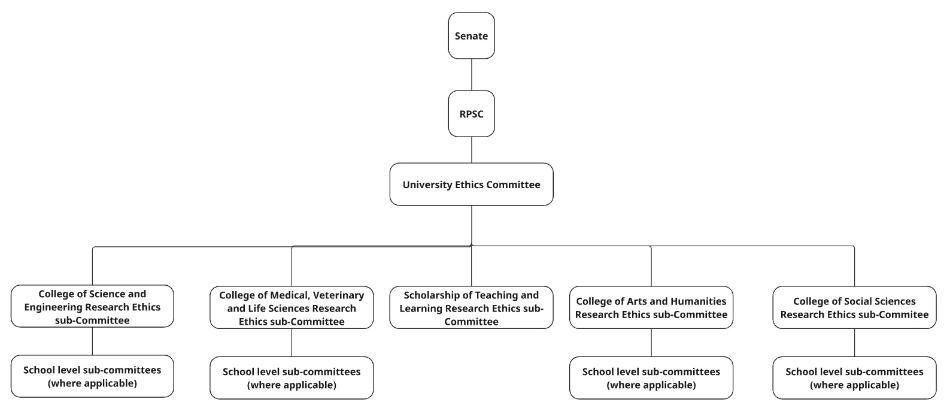
Figure 1. Ethics Committees Governance Structure
2.3 Remit of the University Ethics Committee
2.3.1. The remit of the UEC in respect of ethical review of non-clinical research is as follows:
- to develop, oversee and keep under review the implementation of the University Research Ethics Review Policy, ethics sub-policies and guidance, and oversee the University’s ethics review process;
- to develop policy and guidelines for and with Colleges;
- to promote the consistent application of research ethics procedures across the University and to review and approve procedures for Research Ethics sub-Committees (REsCs), including College and School level Committees and those established for specific research areas;
- to promote good ethical practice throughout the University;
- to advise ResCs on ethical issues and relevant procedures, including concerns related to a particular study or other matters;
- to consider and recommend responses to external and institutional ethical issues;
- to oversee the provision of appropriate training for designated Ethics Officers;
- to consider and offer guidance on cases of uncertainty referred to it from Research Ethics sub-Committees and to hear appeals against REsC decisions. In exceptional cases, the UEC may itself make decisions on research;
- to require and approve annual reports from REsCs on their work, including ethical review of proposed research projects and oversight of ethical issues within Colleges, Schools or other sub-Committee areas;
- to review and make recommendations, as appropriate, on the operation of REsC procedures;
- to make a bi-annual report to the Research Planning and Strategy Committee (RPSC) on the operation of procedures and any outstanding difficulties relating to the ethical review of research with the University;
- to seek clarification from external expert bodies, as necessary, on matters of ethical review policy and practice
- to promote good data governance in line with Data Protection and Freedom of Information Office guidance;
2.3.2. The University Ethics Committee will not hear appeals against the decisions of Research Ethics sub-Committees until REsC level remedies have been exhausted. The UEC is particularly concerned with the general principles of natural justice, reasonableness and fairness of the decision made by the REsC.
2.3.3. The UEC will not hear appeals against the decisions of external ethics committees, which should provide their own appeals procedures.
2.3.4. A standardised reporting template for reports by the UEC to RPSC is provided in Appendix 2.
2.4 Committee membership
2.4.1. The UEC comprises a Chair, a lay member from outwith the University, the Students’ Representative Council President or nominee, REsC Chairs and their nominated deputies where applicable.
2.4.2. The term of office for members of the UEC shall normally be three years with the possibility of a three-year extension.
2.4.3. A Clerk will be appointed to the University Ethics Committee.
2.5 Terms of Reference of the Univesity Ethics Committee
2.5.1. The UEC terms of reference should normally include the following:
2.5.2. Remit of the committee as outlined at 2.3.
2.5.3. Nominated deputies. If a member of UEC cannot attend the meeting, they may submit written observations on any issue under consideration. REsCs should also nominate a substitute who can deputise at meetings which the Ethics Officer is unable to attend. This nominated deputy should attend UEC meetings alongside the Ethics Officer wherever possible, to enable knowledge building and ensure continuity.
2.5.4. Scheme of delegation. The following details the delegated authority for the University Ethics Committee and shows how it is placed in the overall University Scheme of Delegation with escalation to Senate:
| Area of responsibility | Limit | Decision making delegated authority | Escalation to |
|---|---|---|---|
|
Approve policy and guidelines for ResCs
|
N/A | Vice Principal (Research & Knowledge Exchange) | RPSC |
|
Approve appeals against REsC decisions
|
N/A | Vice Principal (Research & Knowledge Exchange) | RPSC |
|
In exceptional circumstances make decisions on research referred to it from ResCs
|
N/A | Vice Principal (Research & Knowledge Exchange) | RPSC |
|
Receive and approve annual reports from REsCs on their work
|
N/A | Vice Principal (Research & Knowledge Exchange) | RPSC |
|
Make bi-annual reports to the Research Planning and Strategy Committee (RPSC)
|
N/A | Vice Principal (Research & Knowledge Exchange) |
2.5.5. Committee membership as outlined at 2.4.
2.5.6. Format and cadence. The frequency of meetings will be determined by the reasonable requirements of the University. UEC shall meet no less than twice every semester. These meetings will be timetabled in advance and the dates made available on the UEC webpages. Where ethical issues arise in circumstances where they cannot be considered at the next ordinary meeting, the UEC may meet on an ad hoc basis. In exceptional circumstances when, for good reason, issues needing more rapid consideration arise, the Chair may act after consultation with no less than two other members of the UEC who are not members of the College(s) or REsC concerned. All members of UEC shall be immediately informed by the Chair of decisions made on this basis. In addition, to facilitate the conduct of business, issues may be considered by the Committee by email correspondence.
2.5.7. Substitutions and Quorum. Substitutions may be made by giving prior notice to the clerk and approved by the Chair. There must be a minimum of 6 members present for decisions or approvals. If a member of the Committee is not able to attend the meeting they may submit written observations on any issue under consideration. Those involved in a research submission must withdraw from the Committee while the submission is considered, although they may attend, if requested, to give further information about the submission. Decisions should ideally be by consensus. Where agreement cannot be reached, decisions are by majority on a show of hands and in cases of equal votes, the Chair shall have the casting vote.
2.5.8. Conflicts of interest. The UEC will follow the University of Glasgow procedure for the management of any conflicts. The procedure defines declaration of conflicts as a standard agenda item at the start of the meeting, the maintenance of a register of conflicts, and a process for managing all conflicts which are declared.
2.5.9. The following procedures apply to UEC:
2.5.10. The Chair is empowered to make decisions in respect of the administration of UEC, such as calling meetings of UEC.
2.5.11. The discussions of the UEC shall be strictly confidential, subject to legal data protection requirements.
2.5.12. The procedures of the UEC shall be publicly available in writing via the UEC webpages.
2.5.13. The UEC and its Chair are empowered to take advice when required from Senior University Officers, the University’s legal advisers and any person(s) within or outside the University with specialist knowledge on the issues in question.
2.5.14. The UEC shall be permitted to co-opt specialists to advise its members.
2.5.15. Full records of the decisions of the University Ethics Committee will be minuted by the Clerk to the Committee and held on the UEC Sharepoint.
2.6. Procedures for referrals and appeals to the University Ethics Committee
2.6.1. The UEC will consider and issue guidance on applications that cannot be satisfactorily resolved at the Research Ethics sub-Committee level and on matters which require specific consideration due to the implications they may have for broader University activities. Referral of research applications to the UEC is the responsibility of the REsC.
2.6.2. The UEC will issue guidance to the REsC but it remains the responsibility of the REsC to make a decision on the research application and to notify the relevant researchers of the progress of the application and the outcome of review.
2.6.3. The UEC will consider appeals from an REsC on the following matters:
- Questions that arise out of applications for ethical approval that have broader implications for the University and therefore require a deeper consideration;
- Appeals against decisions made by REsCs, but only once the local procedure for resolving difficulties has been exhausted.
2.6.4 For referrals and appeals to the UEC, the following procedures apply:
- In the case of referrals, the UEC will expect to receive a written statement of specific issues for advice or guidance, supported by the papers considered by the REsC. The UEC will also expect a summary of the reasons for doubt or disagreement on each specific issue;
- In the case of appeals, the UEC will expect to receive a written statement of the specific appeal issue(s) and a summary of the reasons for disagreement, supported by the papers considered by the REsC;
- The UEC will, if necessary, invite members of the relevant College(s) to participate in discussion. The UEC may also request attendance of the proposers of a research application and any member of staff involved in reviewing the application;
- The UEC shall seek advice, as appropriate, and issue guidance based on the information made available to it;
- The guidance issued and/or the decision given shall be recorded in writing and sent to the relevant REsC.
3. Defining basis of approval by Ethics Committees
3. Defining basis of approval by Ethics Committees
3.1. A decision by any of the University’s Ethics Committees to approve an application for a research project does not imply assessment of all possible ethical issues or of all possible dangers or risks involved, nor does it detract in any way from the ultimate responsibility that researchers themselves have for all research that they carry out and for its effects on human subjects. The University’s Ethics Committees address themselves to ethical matters and are dependent upon information supplied by the researcher. This information is expected to be properly researched, full, truthful and accurate. Failure to follow the University’s guidance on ethical review of research may result in disciplinary action (see section 9.1).
3.2. A decision by any of the University’s Ethics Committees, including an REsC, to approve a research project does not constitute a precedent and each application will be judged on its own merits and in the light of present circumstances. For that reason, a decision may be made to approve research of a kind not previously approved. Equally, a decision may be made not to approve research of a kind that was previously approved. In neither case does this imply that the Committee’s decision, nor decision-making process, is flawed since proper ethical review is a dynamic process that cannot be reduced to a mechanical or formulaic approach.
3.3. A decision to change the University’s policies or procedures for ethical review of research does not imply that previous policies or procedures were inappropriate, and any such changes do not invalidate ethical approval that has been given. However, researchers are expected to make themselves aware of changes in policies or procedures and to adopt them as necessary.
3.4. Research must not commence without explicit, written approval from the appropriate REsC. A formal record of this approval (i.e. approval letter) must be retained by the Committee who gave approval. The approval must specify the start and end date of the approval period, along with any requirements for renewal. When communicating with potential participants, references to “Ethics Committee approval” may only be made in relation to the specific project for which approval has been granted. If any amendments are made to the approved research protocol, these must also receive formal approval from the relevant REsC before implementation.
4. Constitution and Operations of Research Ethics sub-Committees
4. Constitution and Operations of Research Ethics sub-Committees
4.1 Overview
4.1.1. Ethical considerations in research vary significantly across different Colleges and research areas. For example, the College of Medical, Veterinary & Life Sciences (MVLS) frequently conducts research that requires approval from an NHS Research Ethics Committee (see section 8.1). Some Schools have a high number of research students working with human participants or run projects involving the active recruitment of research subjects, while others might not engage in research involving human participants at all. There is, therefore, the need for flexible, yet robust, ethical oversight tailored to the specific research activities within the remit of each REsC. Given the variation in the type of research conducted across Colleges and research areas, it is expected that each REsC will have developed appropriate processes to outline and support the robustness of the ethical review of research in their remit.
4.1.2. The University has 5 Research Ethics sub-Committees reporting to the University Ethics Committee. For operational or other reasons, these committees may choose to establish School-level committees as outlined in section 5. The governance structure for Ethics Committees is outlined in 2.2.
4.1.3. These sub-Committees have been established to consider, approve or otherwise issue guidance on research involving human subjects, human material or data. Given the potentially sensitive nature of such research, it is imperative that such committees have an established membership and terms of reference and operate in strict accordance with approved written procedures. All REsCs are sub-Committees of the University Ethics Committee and their terms of reference and standard operating procedures must be approved by UEC.
4.1.4. The establishment of any new REsC must be approved by UEC. A proposal for a new committee should be submitted for discussion at a UEC meeting. If approval is granted to proceed, the new committee should submit terms of reference and standard operating procedures to UEC for approval. The REsC may only accept ethics applications for review once their standard operating procedures have been approved. The establishment of school-level committees may be approved by the relevant College-level REsC (as outlined at 5.1.). The standard operating procedures of school-level committees must be approved by UEC.
4.2 Remit of the Research Ethics sub-Committees
The remit of the Research Ethics sub-Committees is as follows:
4.2.1. to establish standard operating procedures for handling the ethical issues in research as outlined in section 4.6.1. Standard Operating Procedures must be submitted to the University Ethics Committee for approval and made publicly available via committee webpages;
4.2.2. to report any suggested or agreed changes to approved procedures in their annual report to the UEC (Appendix 1);
4.2.3. to appoint a named member of staff to act as the designated Ethics Officer with responsibility for ethical review of research on behalf of the College or subject area and to identify a succession plan for this individual, such as the nomination of a named deputy;
4.2.4. to establish a clear set of responsibilites for the designated Ethics Officer outlined in a specific terms of reference;
4.2.5. through the Ethics Officer, to conduct an annual review of procedures, report to the UEC on the findings and keep ethical issues in research under continuous review;
4.2.6. to either give written approval for applications for ethical review or provide written information as to why approval has not been given;
4.2.7. to consider revised submissions when an application has not been approved on first submission;
4.2.8. to process amendments to research projects following ethical approval;
4.2.9. to operate procedures no less rigourous than those suggested or required by relevant professional bodies;
4.2.10. to consult as appropriate with external expert bodies;
4.2.11. to refer cases to the UEC that require advice or an opinion from that Committee or that cannot be satisfactorily resolved. It is expected that referral to the UEC for an appeal will be in exceptional circumstances only;
4.2.12. to make clear, written information about its procedures and terms of reference publicly available on committee webpages and to carry out its work in accordance with these procedures;
4.2.13. to establish mechanisms that ensure all aspects of the research under their remit are ethically reviewed and that ensure consistency with best practices and with the requirements of professional bodies in that field. If necessary, the approval of these professional bodies should be sought to ensure the research meets established ethical standards;
4.2.14. to ensure appropriate training is in place for ethics reviewers and for researchers and to make details of this training publicly available on committee webpages;
4.2.15. to inform the UEC of any changes in the ethical codes of professional bodies in relevant discipline areas, in order that the University’s procedures remain valid;
4.2.16. to support the safeguarding of researchers under their remit in line with the University of Glasgow’s Safeguarding in Research Policy.
4.3. Responsibilities of the designated Ethics Officer
4.3.1. Each Research Ethics sub-Committee must appoint a designated Ethics Officer responsible for managing the ethical issues under its remit. The Ethics Officer should have a clear set of responsibilities, outlined in specific terms of reference. These responsibilities may include:
- ensuring that staff and students are aware of and understand the University’s ethical policies, guidelines, and procedures, which must be followed as a University requirement;
- continuously reviewing ethical issues related to the College’s research;
- overseeing the implementation and monitoring of ethical procedures in practice;
- maintaining accurate records of applications, practices, and decisions regarding ethical matters;
- regularly reporting on ethical issues to the Head of College or other relevant head of area as appropriate;
- submitting an annual report (using the format provided in Appendix 1) on behalf of the REsC to the University Ethics Committee;
- participating as a member of the UEC, attending meetings, and contributing to the Committee’s work.
4.4 Composition of Research Ethics sub-Committees
4.4.1. A Research Ethics sub-Committee should have no fewer than six members, one of whom shall be the designated Ethics Officer and a member of UEC. It is preferred that at least one member must be a person from outside the University, to represent the general public viewpoint. REsCs must establish agreed operating procedures that are shared with, and approved by, the UEC. It is expected that REsC meetings must have more than half of its members present to be quorate. Any change from this procedure should be outlined and justified in its approved standard operating procedures. It is considered good practice for ‘reserve’ members to be appointed to act in respect of proposals put forward by members of the REsC, since those involved in a research submission must withdraw from the Committee while the submission is considered. In areas where research regularly involves obtaining human biological samples and products or research where there may be a risk to the participant’s health, a registered medical practitioner must be a member of the REsC. In all research involving taking human samples, or where there may be a risk to the participant’s health, an opinion on the research must be obtained from an appropriately qualified medical practitioner, generally a registered medical practitioner.
4.4.2. Membership of the REsC shall be approved by the College Management Group (or equivalent).
4.5 Terms of Reference of Research Ethics sub-Committees
4.5.1. The REsC’s terms of reference may vary depending on the scope of ethics review. Details of the Committee's terms of reference, membership and any local-level reporting procedures must be submitted to the University Ethics Committee for approval and reviewed annually as part of the annual reporting process (see Appendix 1). They should normally include the following:
4.5.2. The remit of the committee as outlined at 4.2.
4.5.3. the committee composition and structure as outlined in 4.4.1.;
4.5.4. frequency and timing of meetings of the REsC, as determined by the reasonable needs of the College, School or local research area. The frequency of meetings should be proportionate to the review mechanisms adopted by that REsC (e.g. sub-Committees that review a large volume of submissions in a whole committee meeting setting should schedule meetings in advance and make these dates available via committee webpages);
4.5.5. quorum and conflicts of interest as outlined in 4.4.1.;
4.5.6. details of key contacts including the name and role of the designated Ethics Officer, members of the committee, school affiliations and contact details;
4.5.7. the scope of the REsC and an overview of the research conducted in that Committee’s remit;
4.6. Research Ethics sub-Committees standard operating procedures
4.6.1. REsC processes for reviewing research ethics applications may vary between sub-Committees. The processes and guidance for staff and students conducting research under the remit of each sub-committee should be established in standard operating procedures, shared with and approved by the UEC. These standard operating procedures should be available on committee webpages and should ensure that all researchers understand the requirements and expectations for ethical review. At a minimum, standard operating procedures should include the following:
4.6.2. the process for the conduct of reviews, the chosen review format and procedures, and details of any administrative and management systems for submission and tracking. Any deviation from a centralised or University of Glasgow wide system must be approved by UEC;
4.6.3. definition of a minimum number of reviewers to ensure that each application is assessed by more than one independent reviewer, maintaining the principle of impartial and rigorous ethical evaluation;
4.6.4. details of any triage, categorisation or so-called proportionate review applied to applications such as low or high-risk routes and the associated review process. Such proportionate review processes must retain the robustness of ethical review, be approved by UEC and meet the requirements of any relevant professional bodies;
4.6.5. the format in which applications are to be presented for consideration. As a minimum, applications should include the following information;
1. the title of the research project, along with a statement detailing the research procedures to be undertaken;
2. full details of the arrangements for the participation of subjects, including recruitment, consent, and confidentiality procedures, as well as copies of all documentation to be given to participants (e.g. information sheets and consent forms, privacy notice):
3. details of the intentions regarding the publication of research findings: and
4. any additional considerations, such as where the research involves children or other vulnerable groups
4.6.6. guidance around the documentation researchers should submit alongside any application for ethical review. This will include information sheets, consent forms and, if the study involves personal data processing, a privacy notice, and Data Protection Impact Assessment using the approved University of Glasgow templates. It is important to adopt a pragmatic approach and ensure that the format is appropriate to the context. In some settings providing written information sheets may not ensure participants’ understanding;
4.6.7. how REsC decisions will be reached, recorded and maintained;
4.6.8. the format by which approval will be given, how start and end dates for approval periods will be determined and communicated, and details of any requirements for renewal;
4.6.9. details of how conflicts of interest will be managed including practices around ‘reserve’ committee members;
4.6.10. details of how guidance will be provided to applicants on revising their proposals and the process for considering revised applications;
4.6.11. details of the procedure for handling appeals against REsC decisions including the process for referral and appeal to UEC;
4.6.12. details of monitoring mechanisms to ensure consistency of review and the compliance of researchers with review outcomes. This should include a mechanism to ‘close’ completed projects to confirm data collection is complete and that no extensions are required;
4.6.13. details of how researchers should apply for amendments to a research project after the ethical review process is complete.
4.7. Research Ethics sub-Committees reporting responsibilities
4.7.1. Each REsC, through its designated Ethics Officer(s), must conduct an annual review of ethical considerations in research and submit a report to the University Ethics Committee. The annual report to the UEC is expected to include:
- the results of a completed UKRIO-ARMA Research Ethics Support and Review in Research Organisations self-assessment audit;
- details of any proposed or agreed amendments to established ethical review procedures;
- a summary of actions undertaken by the REsC, including the number and titles of applications reviewed (both staff and student), decisions made, and any challenges encountered along with any subsequent actions taken;
- where applicable, the number of cases referred to external ethics committees;
- any matters requiring consideration by the University Ethics Committee.
4.7.2. The UEC will review the annual reports, provide guidance and recommendations as necessary, and escalate any unresolved issues to the Research Planning and Strategy Committee (RPSC).
4.7.3. A standardised reporting template is provided in Appendix 1.
4.8. Research Ethics sub-Committees Management of Ethical Issues
4.8.1. Each Research Ethics sub-Committee must carefully assess the ethical implications of the research under its remit and develop standard operating procedures (outlined in 4.6.1.) that appropriately reflect the nature and requirements of the research being conducted. To guide this process, the following key areas should be considered:
- human participants & data: does the research involve people, human biological material, human remains, or personal data?
- ethical oversight: is there a dedicated forum or process for discussing and reviewing ethical concerns related to this work?
- participant rights: what legal and ethical rights do research participants have, and how are these rights protected?
- vulnerable groups: does the research involve vulnerable individuals, such as children, adults with learning disabilities, or students in dependent relationships with researchers? If so, are additional safeguards in place?
- legal compliance: are legal considerations recognised, and are there processes to ensure compliance with relevant legislation? Have they submitted a Data Protection Impact Assessment and privacy notice? Do they have up to date Data Protection and Information Security training?
- professional standards: are there discipline-specific ethical guidelines or codes of practice from professional bodies that must be adhered to?
- external involvement: does the research involve external funding, sponsorship, or contracts? If so, how are associated ethical challenges, such as publication rights and research data retention and sharing addressed?
- broader ethical issues: are there other ethical concerns in the research that may not fit into the categories above? If so, how are they managed?
- ethical training: how are ethical principles taught within the College or research area, and what evidence demonstrates that researchers understand and apply them?
4.9. Roles and Responsibilities of Research Ethics sub-Committee reviewers
4.9.1. The operation of REsCs depends on the commitment, time, and collegiality of its members. Recruitment processes may vary for each sub-Committee, and Committees may also rely on additional reviewers who are not formal Committee members to support their work. Each REsC is expected to fulfill through its reviewers the following key roles and responsibilities:
- ensuring independence in the review process by identifying and declaring any potential conflicts of interest that may compromise impartiality;
- reviewing ethics applications within the boundaries of competence while adhering to the broad ethical principles outlined at the beginning of this document as well as any research-specific ethical standards and requirements from professional bodies;
- seeking advice from colleagues when ethical, governance, legal, data retention and sharing, or research-related matters extend beyond the committee's expertise. This may involve consulting experts from other Schools, Colleges, or equivalent institutions;
- providing timely ethical opinions on applications in accordance with locally defined timescales;
- reviewing and providing ethical opinions on substantive amendments to previously approved research projects;
- requiring the suspension of research where significant ethical concerns arise, such as when a report of misconduct has been made, ensuring that the research can only proceed once these concerns have been fully addressed;
- withdrawing approval if substantive ethical issues emerge that are not satisfactorily resolved;
- providing applicants with clear, constructive feedback, ensuring that justifications for ethical opinions are well-explained and transparent;
- engaging in relevant training opportunities to enhance knowledge and understanding of ethical review processes;
- having a strong working knowledge of Research Governance procedures relevant to ethics applications, including but not limited to sponsorship requirements, external approvals, Data Protection legislation such as the Data Protection Act 2018 (DPA) which is the UK’s implementation of the General Data Protection Regulation (GDPR), and health and safety risk assessments;
- recognising that it is not within the REsC’s remit to evaluate research methodology or design unless such aspects raise ethical concerns;
- advocating for ethical best practices in research and offering consultation support to researchers throughout the research process;
- supporting the safeguarding of researchers in line with the University’s Safeguarding in Research Policy.
5. Constitution and Operations of School Ethics Committees
5. Constitution and Operations of School Ethics Committees
5.1. Research Ethics sub-Committees associated with Colleges may choose to establish School-level Committees to conduct ethical review of research to manage the volume of applications or for other operational reasons. In the event sub-Committees are established at School level, these Committees have the same responsibilities and constitution as REsCs and should establish standard operating procedures as outlined in 4.6.1. These must be approved by UEC. The School must appoint a dedicated Ethics Officer. School-level sub-Committees will report to the REsC for their College with that REsC retaining overall responsibility for ensuring the appropriate ethical review of its research.
6. Responsibilities of researchers
6. Responsibilities of researchers
6.1. Researchers have a duty to uphold ethical standards and act in accordance with the principles laid out in this document, and in the Code of Good Practice in Research. The following responsibilities apply to researchers:
6.2. Rights of participants
6.2.1. Researchers have a duty to respect and protect the rights of research participants. This means ensuring that participants are fully informed about the study, able to volunteer freely without undue pressure, and can withdraw ethical consent. Additionally, researchers must take all necessary steps to prioritise participant safety, following best practices to minimise any risks involved. It is important to note the Data Protection rights and exemptions associated with processing personal data for research purposes. Researchers should consult the University of Glasgow Data Protection Office guidance.
6.2.2. Research that includes interviews, observations, or recorded data (such as audio or video files) may impact participants' confidentiality, privacy, comfort, convenience, or safety. Any potential interference with participants' rights or interests must be carefully considered and addressed to uphold ethical research standards.
6.2.3. Research that references named individuals whether living or deceased can raise ethical concerns, particularly regarding privacy and confidentiality. Even when studying historical or deceased individuals, considerations must be given to the impact on their living relatives and the potential sensitivities involved.
6.2.4. Participants should be made aware of the appropriate point of contact to raise any concerns about how the research was conducted. This should be an independent party, such as the Head of Section or School, rather than the researcher or their supervisor.
6.3. Consent
6.3.1. The involvement of University staff, students, and members of the public in research must follow established procedures to ensure ethical conduct and protection of participants' interests. Key considerations include recruitment, informed consent, confidentiality, safety, retention and sharing of research data, and participants' freedom to withdraw. To uphold these standards, participants should volunteer without inducement and provide consent appropriate to the context. This will usually be in the form of written consent but it is important to recognise that in some settings another way of giving consent may be more appropriate. This must be clearly justified to the Committee. For example, when distributing questionnaires that do not include sensitive or probing questions, and where the front page clearly outlines the nature of the research, the act of accepting and completing the questionnaire may be considered as implied consent. In some research settings, providing written information may not be appropriate, may endanger participants or may not be sufficient to ensure participants’ understanding.
6.3.2. It is important to note that ethical consent is different to Data Protection consent. Data Protection legislation requires that an appropriate lawful basis for the processing of personal data is identified and documented before that data is collected or used. Consent is one of the lawful bases set out in Data Protection legislation. However, in most cases, processing personal data for research purposes is likely to be considered necessary for the performance of a task carried out in the public interest as research is a component of the University's public tasks. Therefore, obtaining consent in Data Protection terms is not applicable to most research projects as ‘public task’ is the most relevant lawful basis for processing personal data.
More information about this is available on the University of Glasgow Data Protection Webpages.
6.4. Confidentiality
6.4.1. The duty of confidentiality between researchers and their subjects ensures that any confidential information disclosed to a researcher can only be shared with others if the participant has given specific authorisation or if the researcher is legally required to, or has a legal basis for, disclosure. Whether information is confidential depends on whether the provider of the information would reasonably expect it to be treated as confidential. This duty applies when the researcher voluntarily agrees to keep the information confidential or to protect the identity of the provider. Researchers must be aware of circumstances, such as professional codes of practice, that might prevent them from offering absolute assurances of confidentiality. Researchers are obligated to avoid disclosing personally identifiable information obtained during research, unless they have the permission of the participant, have agreed to alternative arrangements, or are under legal obligation. They must refrain from giving unrealistic guarantees of confidentiality and be transparent with participants about obligations that may require disclosure, such as in cases where a researcher may need to provide evidence in legal proceedings, where professional obligations demand disclosure (e.g., concerns for child welfare), or other circumstances where they have a legal basis for disclosure. If a researcher has informed participants of the possibility of disclosure due to legal or professional requirements, the participant’s decision to take part signifies consent to this potential disclosure.
6.5. Data protection
6.5.1. Researchers are responsible for complying with current legal requirements regarding processing the personal data of research participants. In particular, all research involving personal data must adhere to the UK General Data Protection Regulation (UK GDPR) and the Data Protection Act 2018. Appropriate safeguards must be in place to ensure the confidentiality, integrity, and security of participant data throughout the research lifecycle. Researchers are responsible for informing participants about how their personal data will be processed by providing a clear and accessible Privacy Notice. This notice must state the legal basis for processing the data, the rights of participants under Data Protection legislation, and details of any data sharing with third parties or international collaborators. Where personal data is being processed, a Data Protection Impact Assessment (DPIA) must also be completed outlining any data protection risks and how these will be mitigated. This document should be provided to participants in addition to information sheets and consent forms. A Data Protection Impact Assessment (DPIA) is required for all projects at the University involving personal data processing and is a legal requirement when the processing is likely to result in a high risk to individuals. DPIAs for research projects that are classified as high risk should be submitted to the Data Protection Office for review. DPIA and privacy notice templates are available on the University of Glasgow Data Protection Office webpages. No other templates should be used.
6.6. Research involving vulnerable groups
6.6.1. Ethical considerations are particularly important when research involves individuals who may require additional protection, such as people with learning disabilities. In these cases, researchers must implement extra safeguards following relevant legislation outlined in Mental Capacity Act 2005 (England and Wales), Adults with Incapacity (Scotland) Act (2000) to ensure participants' well-being, safety, and rights are fully protected throughout the study.
6.6.2. Research involving children requires strict ethical oversight, with explicit approval from the REsC before the study can proceed. Special care must be taken to ensure that ethical procedures are rigorously followed. The Head of College and the designated Ethics Officer are responsible for ensuring that all staff and students conducting research with children are made aware of and comply with all legal requirements, such as vetting procedures, before beginning their work. However, the ultimate responsibility for checking and adhering to relevant legal requirements and regulations remains with the researcher and must be explicitly addressed in all research involving children. Such requirements and regulations include Children Act 1989 (England & Wales) & Children (Scotland) Act 1995, Children and Young People (Scotland) Act 2014, Age of Legal Capacity (Scotland) Act 1991, UK Policy Framework for Health and Social Care Research (2017).
6.6.3. It is important to note that, depending on context and type of research, different legal definitions of vulnerability may apply. It is important to note that the definition of vulnerability under UK GDPR is more expansive than that in Adults with Incapacity (Scotland) Act (2000) and includes employees, vulnerable members of the community (for example asylum seekers) and, more generally, any case where an imbalance in the relationship between the position of the data subject and the controller can be identified.
6.6.4. Privacy information should be provided in an easy to read, age-appropriate format. In Scotland, a person aged 12 or over is presumed to be of sufficient age and maturity to be able to exercise their data protection rights, unless the contrary is shown. Researchers should consult the guidance on the rights of children and vulnerable adults on the University of Glasgow Data Protection Office webpages.
6.7. Research involving human remains and related artefacts
6.7.1. Research involving human remains and related artefacts must show cognisance of relevant legal frameworks and disciplinary standards. Any related cultural sensitivities should be very carefully considered.
6.8. Communicating research findings and publication
6.8.1. There are ethical considerations associated with publishing research findings. Participants must be informed in advance if there is an intention to publish the results of the study. The extent to which any identifying information about participants may appear in the publication must also be clearly communicated. This should usually be addressed within the information sheet and consent form provided before the research begins.
6.8.2. Researchers are encouraged to consider how to inform participants about the outcomes of the research, or where they can access the results, although individual results may not always be provided. Participation in research is voluntary, and it is appropriate for participants to be given feedback about the research they were involved in, whenever possible.
6.8.3. There are ethical considerations associated with retaining and sharing research data for reuse in line with funder and Open Research requirements. Participants must be informed in advance if there is an intention to retain and share research data. The extent to which any identifying information about participants may appear in the research data set must also be clearly communicated. This should usually be addressed within the information and consent form provided before the research begins.
6.9 Legislation
6.9.1. Research involving human participants or their biological samples or data may raise legal issues. It is the responsibility of the researcher to be familiar and comply with the UK regulations and legislation. This includes but is not limited to:
- General Data Protection Regulation (UK GDPR), Data Protection Act 2018;
- Health and Social Care (Community Health and Standards) Act (2003) that covers confidentiality and access to health records for research purposes;
- Mental Capacity Act 2005 covers research involving individuals who lack capacity in England and Wales and Adults with Incapacity (Scotland) Act (2000) when handling personal data or conducting research involving individuals who lack capacity to consent;
- The Children (Scotland) Act (1995) relevant for research involving children, including consent and ethical considerations;
- Human Tissue (Scotland) Act (2006) that governs the removal, storage, and use of human tissue for research and other purposes;
- The Human Tissue Act (2004) (applicable in England, Wales, and Northern Ireland) relevant for collaborative research involving multiple UK nations;
- The Public Health (Scotland) Act (2008) that covers public health data collection and research ethics.
6.9.2. While the UEC and REsCs focus on ethical review, researchers are expected to be aware of relevant legal requirements and take appropriate steps to ensure compliance. This may involve seeking legal advice, such as from the University’s legal advisers, in cases of uncertainty. Ultimately, the responsibility for meeting legal obligations rests with the researcher, and for student-led research, with the first named supervisor.
6.10. Other responsibilities
6.10.1. Proper documentation, including written project information and signed consent forms (where appropriate), must be maintained to ensure transparency and accountability. Researchers should seek guidance from their REsC around documentation for their research and outline any mechanism for ensuring understanding and obtaining consent in their submission for ethical review.
6.10.2. It is considered good practice for reasonable expenses to be covered for research participants. If research participants are to be offered any form of payment or incentive beyond reimbursement for appropriate expenses, this must be clearly outlined in the research application. Any proposed payment or incentive must be justified to the Committee.
7. Training
7. Training
7.1. As noted in 4.2.14, Research Ethics sub-Committees must ensure that appropriate training for research ethics reviewers and for staff, and undergraduate and postgraduate research students is in place and appropriate to their research context. This should include building understanding of research ethics, governance and integrity issues, and the relevant codes of practice of the University and external bodies.
7.2. The committee should signpost the central training programme on research integrity delivered by the Research Governance and Integrity team. In addition, tailored training should be available at various levels, including College, School, or discipline-specific sessions. This training may take the form of workshops, presentations from external experts, and bespoke resources designed to enhance understanding and application of ethical principles in research.
7.3. Training content must be informed by current national and international developments in research ethics, ensuring those being trained gain the necessary expertise to conduct research or to support researchers, particularly in emerging fields.
7.4. For undergraduate (UGT) and postgraduate taught (PGT) students, proportionate and relevant training in research ethics and procedures should be embedded within academic programmes to ensure a foundational understanding of ethical research practices.
7.5. Data Protection and Information Security training is mandatory for all staff/PGRs and for anyone processing personal data outwith these groups. Data Protection training must be refreshed every two years and Information Security training every year.
8. Alternative routes to ethical review of research
8. Alternative routes to ethical review of research
8.1.1. It is acknowledged that, in certain cases such as medical research, external ethics committees are responsible for reviewing research proposals. To prevent unnecessary duplication, Research Ethics sub-Committees are not required to conduct parallel reviews. However, each College must ensure that all relevant research proposals are submitted to the appropriate ethics committee, maintaining comprehensive ethical oversight. The designated Ethics Officer is responsible for managing and monitoring the referral process to external ethics committees. This includes:
- establishing clear procedures for referring research to the appropriate ethics committee;
- ensuring that requirements to submit relevant research for external review are clearly set out on Committee webpages and regularly communicated to staff and students;
- facilitating effective communication and liaison between the College and external ethics committees;
- reviewing and overseeing the referral process to maintain compliance with ethical standards;
- reporting to the College, the relevant REsC and the UEC as necessary to ensure accountability and transparency.
8.1.2. Where research is subject to approval by external bodies as described above, it shall not be necessary to obtain approval from the REsC or UEC. However, the fact that ethical approval has been obtained must be notified to the relevant Ethics Officer who will ensure a record is kept of this approval. Researchers must ensure that they act in accordance with the approval given. Any proposed changes in the research must be dealt with by the procedures of the relevant approving body.
8.2. Clinical research
8.2.1. Research that involves National Health Service organisations, including staff, facilities, data or samples requires ethical review by an NHS Research Ethics Committee. The University’s Ethics Committees do not have authority to approve research conducted in these settings.
8.2.2. The Governance Arrangements for RECs and the Health Research Authority (HRA) ethics decision tool both outline the types of research that will require approval by an NHS REC.
8.2.3. NHS REC review is required for studies involving:
- Patients and NHS users including all potential research participants recruited based on their past or present NHS treatment or use of NHS services. This includes those treated in private sector institutions under NHS contracts;
- Relatives and carers: individuals identified as potential participants due to their relationship with NHS patients or users;
- Access to patient data or biological material: research involving the use of data, organs, or other bodily materials from past or present NHS patients;
- Foetal material and in-vitro fertilisation (IVF): studies involving NHS patients in these contexts;
- Recently deceased individuals: research involving the recently deceased within NHS premises;
- NHS premises or facilities: any study requiring the use of, or access to, NHS sites or resources;
8.2.4. The University’s Ethics Committees do not have the authority to approve research involving any of the above categories. Researchers proposing clinical or non-clinical studies in such areas must seek approval from the appropriate NHS Research Ethics Committee. There are more than 80 NHS Research Ethics Committees across the UK. Each REC consists of up to 15 members, a third of whom are 'lay' members.
8.2.5. Applications for permission to conduct NHS research are submitted via the Integrated Research Application System (IRAS) for the permissions and approvals for health, social and community care research in the UK and require review from an authorised sponsor organisation.
8.2.6. Depending on the nature of the clinical study, additional organisations may need to give approval for research to commence. IRAS also captures the information needed for approvals from the following organisations:
- Administration of Radioactive Substances Advisory Committee (ARSAC)
- Gene Therapy Advisory Committee (GTAC)
- Medicines and Healthcare Products Regulatory Agency (MHRA)
- NHS/HSC R&D Offices
- NRES/NHS/HSC Research Ethics Committees
- Confidentiality Advisory Group (CAG), formerly the National Information Governance Board (NIGB)
- National Offender Management Service (NOMS)
- Social Care Research Ethics Committee
The University Research Regulation and Compliance Office can assist in gaining approval from these organisations.
8.2.7. Clinical research conducted in Scotland requires study-wide review by the NHS Research Scotland Permissions Centre (NRS PCC). Research which involves the NHS in England or Wales requires Health Research Authority and Health and Care Research Wales (HRA and HCRW) approval.
8.2.8. The centralised application process for NHS RECs is outlined at NHS HRA website. The researcher must:
- Complete a research application form on the Integrated Research Application System (IRAS);
- Prepare study documentation (as outlined in the NHS HRA Prepare study documentation guidance);
- Book application review through the Online Booking Service;
- E-submit the application in IRAS.
8.2.9. Researchers should consult the University of Glasgow guidance on Clinical/NHS Research Ethics and the National Research Ethics Service (NRES) Standard Operating Procedures (SOPs) for NHS RECs Version 7.6 which defines the remit of NHS RECs and ethical review requirements.
8.2.10. In exceptional circumstances, the UEC will look at proposals concerning clinical research where it does not fall within the remit of an NHS Research Ethics Committee. International research of this kind will be expected to have received ethical approval from a properly constituted and independent ethics committee in the country concerned before it can be considered by the UEC. However, approval from the UEC is also required before research can commence.
8.3. Research conducted overseas
8.3.1. Clinical research conducted overseas. In certain cases, research may be classified as clinical but fall outside the scope of NHS Research Ethics Committees, for example, when data collection takes place abroad. In these exceptional circumstances, the appropriate REsC will review such proposals but may need to seek input from experts with relevant clinical expertise. Researchers should be aware that this consultation process may introduce unavoidable delays. Research of this nature is also expected to have received ethical approval from a properly constituted and independent ethics committee in the country where the study is conducted, if such a committee exists for the type of research proposed. It is the responsibility of the researcher to determine the ethical review requirements in the relevant country, submit the necessary applications, and provide evidence of ethical approval.
8.3.2. Non-clinical research conducted overseas. For non-clinical research conducted abroad or involving data collection outside the UK, ethical approval must first be obtained from a properly constituted and independent ethics committee in the country where the research takes place, if such a committee exists for the type of study proposed. If the University of Glasgow is the sole institution involved, approval from the appropriate REsC is also required before the research can proceed. It is the researcher’s responsibility to check the ethical review requirements in the relevant country, submit the necessary applications, and provide evidence that approval has been sought and granted.
8.3.3. For both clinical and non-clinical research conducted overseas, it is the responsibility of the researcher to determine appropriate insurance cover is in place. The University Research Regulation and Compliance Office can provide guidance on insurance.
8.4. Research conducted across multiple settings
8.4.1. For non-clinical research involving staff or students from multiple universities, ethical approval must be obtained from a properly constituted and independent ethics committee at one of the participating institutions. The choice of which university should conduct the ethical review should consider the principal investigator’s affiliation and the formal ethical review structures in place at each institution. If ethical approval is granted by another university, researchers at the University of Glasgow remain responsible for ensuring compliance with the University’s ethical policies. This includes respecting the rights and interests of research participants, obtaining valid consent, and ensuring that the potential benefits of the research outweigh any burden or risk to participants. A copy of the ethical approval obtained from another university must be submitted to the College Ethics Officer, and the research may not proceed until this requirement is fulfilled.
8.4.2. For non-clinical research involving staff or students from multiple Colleges within the University, ethical review should be conducted by only one College. The selection of the appropriate College for review should be based on the principal investigator’s affiliation and the nature of the research being conducted. In cases of uncertainty, Ethics Officers from the relevant Colleges must be consulted to reach an agreement. Once ethical approval is granted, a copy of the approval must be sent to the Ethics Officers in the other Colleges where researchers are based. The research may not proceed until this requirement is fulfilled.
8.4.3. In addition to obtaining ethics committee approval, researchers must ensure that appropriate organisational approval is secured from the institution or setting where the research will be conducted. This is a critical requirement when research involves access to participants, data, facilities, or staff governed by another organisation. For example, research involving NHS patients or staff requires organisational approval from the relevant NHS Trust or Health Board. Similarly, studies conducted within local authority social services, educational institutions such as schools, or independent organisations such as charities, cultural and religious institutions such as the Edinburgh Theological Seminary, also require formal approval. It is the responsibility of the researcher to identify and obtain any necessary organisational approvals prior to commencing the study. Failure to do so may result in a breach of institutional and regulatory requirements and could delay or invalidate the research.
9. Monitoring and Auditing Procedures
9. Monitoring and Auditing Procedures
9.1. In accordance with the Code of Policy and Procedures for Investigating Allegations of Misconduct in Research, failure to follow the University’s guidance on ethical review of research may result in disciplinary action. Any practice or conduct of employees or students that deviates from professional academic standards or from ethical or regulatory requirements relevant to a discipline for planning, conducting, and reporting research may constitute research misconduct. Where a Research Ethics sub-Committee or the University Ethics Committee become aware of research being conducted in breach of these policies and procedures it might be appropriate for the matter to be resolved by informal discussion with the researcher(s) and remedial action being taken by them. Where necessary, however, either Committee may refer the matter to the relevant disciplinary authorities for further investigation. A concern about research conduct should, in the first instance, be raised and discussed, if possible, with the relevant Good Research Practice Adviser or Good Research Practice Champion within the School or College. In some circumstances, it is necessary to raise a concern directly at University level. On these occasions, concerns should be communicated by e-mail via the research-integrity@glasgow.ac.uk. Full details of the misconduct investigation process are outlined in the Code of Policy and Procedures for Investigating Allegations of Misconduct in Research.
9.2. The UEC recognises that the definition and perceived significance of ethical issues may be subject to change and differences of opinion. In this light, Colleges and REsCs, through their designated Ethics Officers, must conduct an annual review of their ethics procedures and report to the UEC on the management of this aspect of the College’s work, indicating any suggested or agreed change in procedures. A format for such a report is attached as Appendix 1. The UEC will consider these reports, offering advice and recommendations, as appropriate. A summary of these reports will be reported by the UEC to the Research Planning and Strategy Committee (RPSC). This summary should include details of any outstanding or anticipated difficulties.
9.3. As outlined in 4.6, REsCs should outline in their standard operating procedures mechanisms for checking the completion of research within agreed timelines and in line with other conditions of ethical approval.
9.4. Audit of the operation of REsC procedures is part of the role of the UEC. The UEC may request to see standard operating procedures, guidance, meeting minutes and individual applications at any time and will require a list of all submissions and associated decisions as part of the annual report.
Referenced documents
Referenced documents
- University of Glasgow Code of Good Practice in Research
- University of Glasgow Safeguarding in Research Policy
- UK Policy Framework for Health and Social Care Research
- International Council for Harmonisation – Good Clinical Practice (ICH GCP) Guidelines
- General Data Protection Regulation (UK GDPR), Data Protection Act 2018
- Children Act 1989 (England & Wales) & Children (Scotland) Act 1995,
- Children and Young People (Scotland) Act 2014,
- Age of Legal Capacity (Scotland) Act 1991,
- UK Policy Framework for Health and Social Care Research (2017)
- Mental Capacity Act 2005 (England and Wales)
- Adults with Incapacity (Scotland) Act (2000)
- Health and Social Care (Community Health and Standards) Act (2003)
- Human Tissue (Scotland) Act (2006)
- The Human Tissue Act (2004) (England, Wales, and Northern Ireland)
- The Public Health (Scotland) Act (2008)
- The Animals (Scientific Procedures) Act 1986 (ASPA)
- University of Glasgow Code of Policy and Procedures for Investigating Allegations of Misconduct in Research
- University of Glasgow Conflicts of Interest Policy
In addition to the referenced documents, this policy should be read in conjunction with the following:
- University of Glasgow Policy for the Safeguarding and Protection of Children, Young People and Vulnerable Adults Preventing Harm
- University of Glasgow Business Travel Policy
- University of Glasgow Lone worker policy
- University of Glasgow Dignity at Work and Study
- University of Glasgow Personal Relationships Policy
- University of Glasgow Protection of Vulnerable Groups
- The Prevent Duty
- University of Glasgow Postgraduate Research Code of Practice
- University of Glasgow Export Control and Sanctions Policy and Compliance Procedure
- University of Glasgow Data Protection Policy
Appendices
Download a PDF version of the Policy: Ethics Review Policy