ChiroptoLab
A state-of-the-art animal facility focussed on understanding interactions between bats and viruses.
The facility is operated in collaboration with the Faculty of Veterinary Medicine of the National University of San Marcos (UNMSM) and the Center for Technological, Biomedical and Environmental Research (CITBM), both in Lima, Peru.
Bats (the Order Chiroptera) are the likely hosts of emerging and re-emerging viral zoonoses – diseases caused by viruses that pass from animals to humans. These could include Nipah virus, Hendra virus, Ebola virus, Marburg virus, Sosuga virus, SARS-Coronaviruses and rabies virus. Large-scale human alteration of landscapes may disturb the balance of contact between bats and their viruses, increasing virus “shedding” – the release of the viruses produced within infected bat cells. This could trigger “spillover” into human and animal populations. At the same time, there are not yet effective tools to prevent this transmission of viruses among bats or into human and/or domestic animal populations.
Our current understanding of the biology of bat-virus interactions comes largely from observational field studies and laboratory experiments on cells. Studies in live bats are crucial to turn discovery research into biomedical treatments or evidence-based activities that would prevent spillover. But there’s a problem - captive bat colonies suitable for virology research are still rare, globally.
The ChiroptoLab streamlines the integration of observational field studies in Peru with controlled experiments within a secure environment. The self-contained 161m2 facility contains ten separated areas, including a laboratory and three animal rooms for quarantine, experiments and a breeding colony.

The lab uses the common vampire bat, Desmodus rotundus (pictured right), as an experimental model to study viral infections in bats. Vampire bats are a pest species that is subjected to population control across Latin America due to the harm caused by bites associated with blood feeding. Vampire bats also spread rabies, a virus that kills tens of thousands of livestock annually. The virus is the primary source of lethal human rabies infections in the region, that occur when bats bite humans for blood meals.
The facility is a unique resource for Peru and Latin America. It allows in vivo experiments to fill the knowledge gap around the host response to viral infections, the bat immune system and viral response to stressors. These studies will contribute to the understanding of the mechanisms of viral spillover from bats, and ultimately could have implications for predicting, preventing, and controlling these spillover events.
Understanding virus transmission in realistic settings has until now been a major challenge. Field studies rarely recapture the same individuals through time, and small-scale experimental infections lack realism to recreate wild infection and transmission. To tackle this, ChiroptoLab uses a “SmartCage” - with microchip readers in continuously monitored roosting spaces to reconstruct bat contact networks. This lets our researchers track the spread of viruses that naturally circulate in the breeding colony.
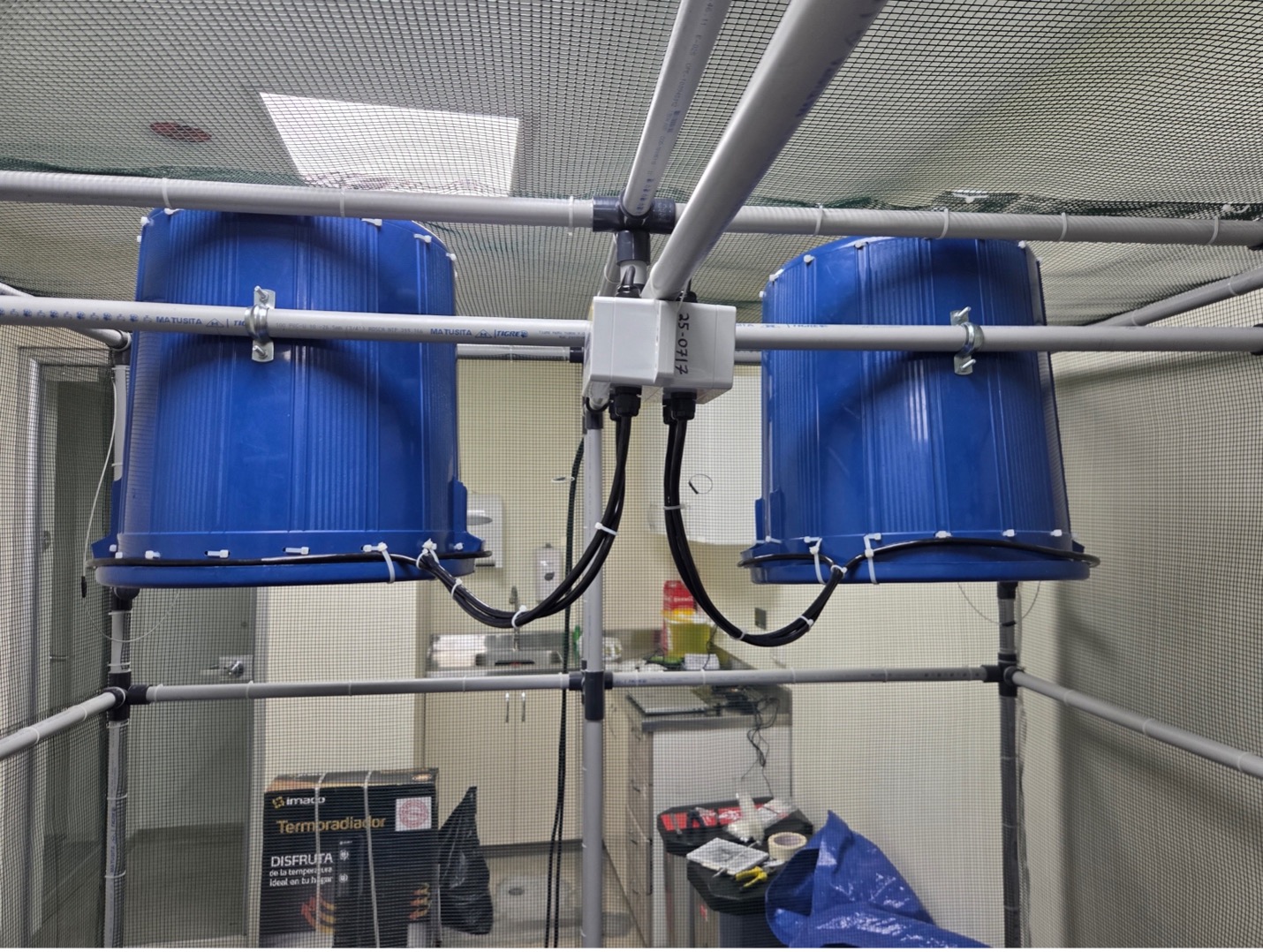
ChiroptoLab researchers are also working to understand the immune response to rabies infection, which is vital for predicting the spread of diseases across populations and to understand why some bats naturally resist rabies, which could inform the development of future medical interventions.
Finally, we are evaluating new vaccine platforms that spread themselves among bats, producing immunity against harmful viruses. This novel approach to protect human health by interrupting transmission in bats before viruses spill over into humans may reduce the health and economic burden of rabies, and potentially other zoonoses as well. We are particularly interested in studying a bat-specific betaherpesvirus - a promising platform to create a recombinant, self-spreading rabies vaccine.
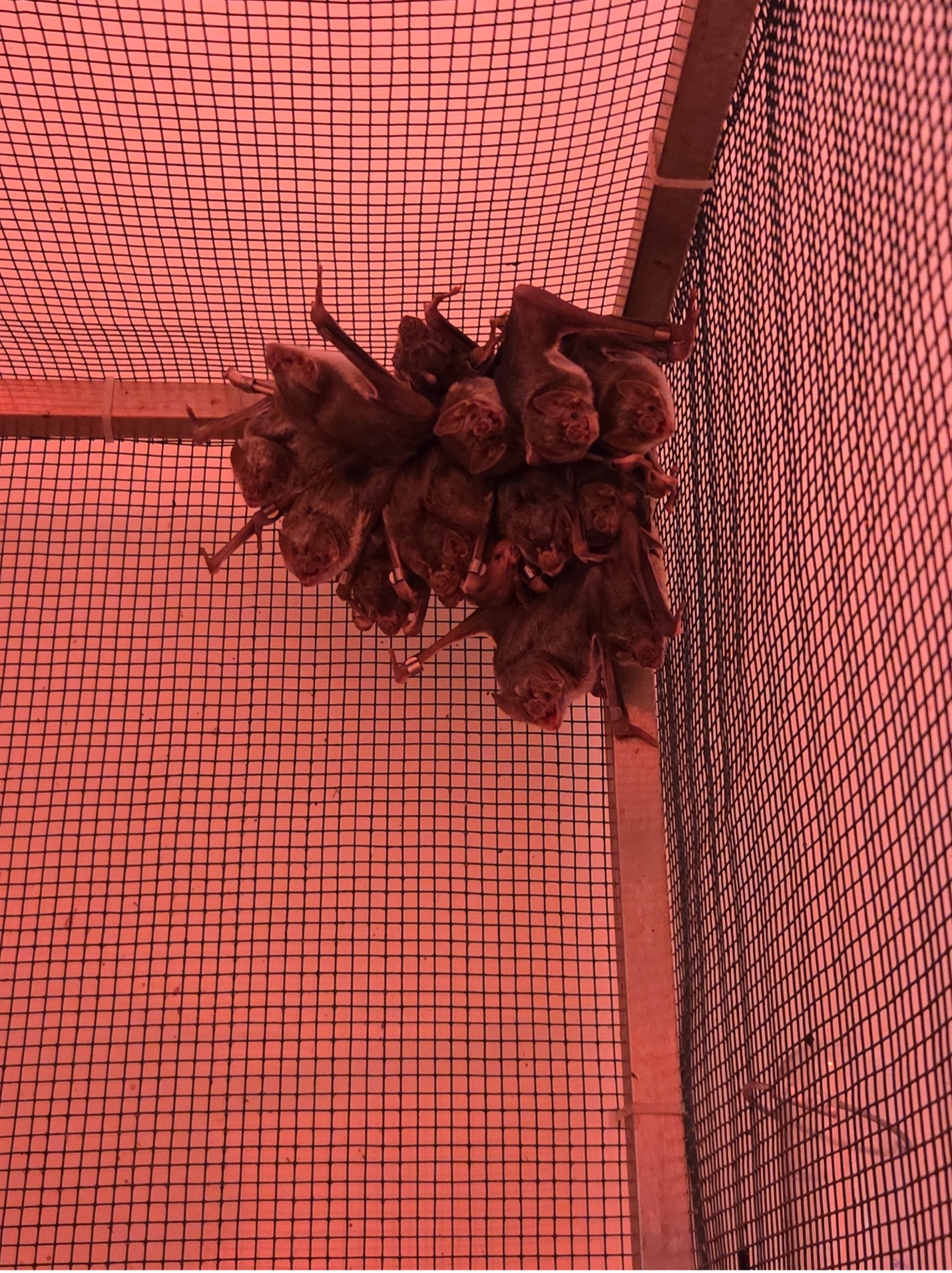
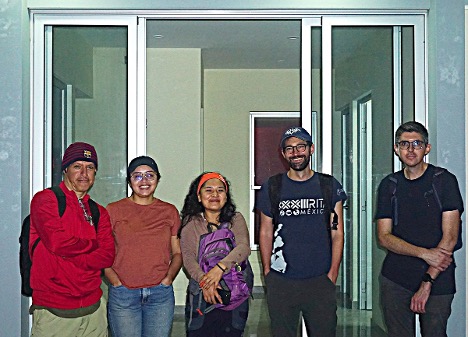
Vampire bats at the ChiroptoLab, and the capture team that brought them in for the first time.