

Patients enrol in major study investigating ancestral and regional cancer inequalities across the UK
Published: 24 September 2026
The first patients have enrolled in major new research investigating how cancer outcomes differ across ethnic groups, ancestries, and socioeconomic backgrounds in the UK.
The first patients have enrolled in major new research investigating how cancer outcomes differ across ethnic groups, ancestries, and socioeconomic backgrounds in the UK.
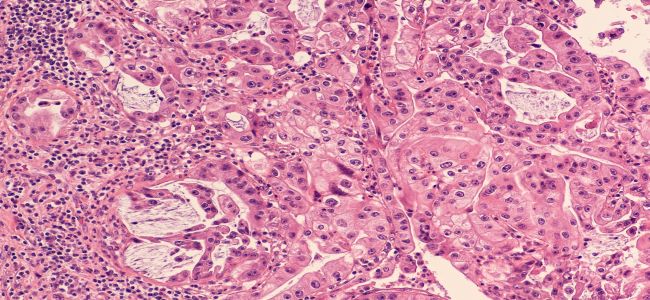
DISCOVER will include a series of studies addressing cancer inequalities and aims to recruit 14,000 participants from diverse backgrounds and geographical areas across NHS centres. Led by King’s College London and Guy’s and St Thomas’ NHS Foundation Trust, in partnership with the University of Glasgow and University of Nottingham, the research aims to find out why these differences exist. By integrating clinical, lifestyle and molecular data across breast, pancreatic and prostate cancers, the platform will create one of the largest resources dedicated to understanding and addressing cancer inequalities.
Among the first patients recruited is Dr Denise Ejoh, who marked ten years since being diagnosed with stage IV breast cancer on the day she joined the study. Dr Ejoh said she is taking part “so that no one's chances of surviving cancer are determined by where they live or the resources available to them.”
Differences in cancer incidence, tumour characteristics and treatment outcomes have been reported between population groups, but the factors driving these differences remain poorly understood.
Black Caribbean and African women up to twice as likely to be diagnosed with late-stage, high-grade breast cancer compared to white women. In prostate cancer, 1 in 4 Black men are diagnosed with prostate cancer, compared to 1 in 8 White men. And increasing data also shows black patients and patients from more deprived areas are more likely to be diagnosed with pancreatic cancer and advanced disease.
The first sub-study will support international research in the UK, US and South Africa, known as SAMBAI, aiming to understand factors that influence cancer outcomes in underserved populations of African descent. Scientists will study how ancestry, lived experience and environmental exposures interact to influence cancer risk and outcomes.
Professor Fieke Froeling, Professor of Medical Oncology at the University of Glasgow's School of Cancer Sciences, who is leading on the pancreatic cancer research and patient involvement, said: “Pancreatic cancer remains a disease of unmet need for which better treatments are urgently needed. As an oncologist, I unfortunately see the population differences in cancer outcomes much too often, with many patients presenting late or too sick to receive any treatment. This needs to change.”
“Social, environmental, genetic and biological factors all contribute to cancer inequities, but how they drive worse outcomes for some patients remains poorly understood and improvements can only be made if we understand these dynamics. This is what we aim to achieve with DISCOVER, bringing all stake holders together and taking a multi-disciplinary approach with the ultimate goal to develop novel interventions so all patients can benefit from the advances made in cancer research.”
Chief Investigator Professor Sheeba Irshad, Professor of Cancer Immunology at King’s College London and Consultant Medical Oncologist at Guy’s and St Thomas’ NHS Foundation Trust, said: “What we ultimately want to understand is why patients who develop what appears to be the same cancer can experience very different disease and outcomes. To answer that properly, we need to look beyond any one factor and bring together tumour biology, ancestry, environment and lived experience. DISCOVER gives us a national platform to do that at scale, while SAMBAI allows us to ask these questions across populations of African descent internationally. Our hope is that understanding what drives these differences will ultimately allow us to develop better approaches to prevention, diagnosis and treatment for everyone.”
Professor Irshad, who will lead the breast cancer research within the programme, hopes the study will improve representation in research. Professor Irshad said: “In breast cancer, Black women are more likely to be diagnosed younger and with aggressive forms such as triple-negative breast cancer, yet remain under-represented in research. By bringing together tumour biology with ancestry, environment and lived experience, we hope to understand not simply that these differences exist, but why they exist and ultimately what we can do about them.”
Leading the prostate cancer element of the research, Professor Nigel Mongan, University of Nottingham, said: “Prostate cancer is twice as common and much more lethal in Black men. The reasons for this are not known. And for too long Black men in the UK have been under-represented and under-prioritised in prostate cancer research. Our study reverses this and empowers Black men to be equal partners in new inclusive research programs that will ultimately help identify better ways to both diagnose and treat men with prostate cancer.”
Anna Jewell, Director of Services Research and Influencing at Pancreatic Cancer UK, said: “Decades of being overlooked and underfunded have left significant gaps in our understanding of not only who is most at risk of developing pancreatic cancer but also how and why people affected by the disease experience different outcomes. Health inequalities research in other countries has shown persistent disparities in incidence, treatment access, and survival across many other types of cancer. This ambitious study is an important stride toward answering critical questions about how and to what extent demographic factors like ethnicity, ancestry and socioeconomics contribute to health inequalities here in the UK. It has our full support. Everyone affected by pancreatic cancer deserves the very best chance to live long and well, and to have access to the right care and support when they need it most. We hope insights from this research will be pivotal in making that experience the norm for patients and their loved ones whoever they are, wherever they live.”
The collaboration between King’s College London, Guy’s and St Thomas’ NHS Foundation Trust, and the universities of Glasgow and Nottingham highlights how addressing healthcare challenges is strengthened by academic partnership.
DISCOVER has been adopted onto the NIHR Research Delivery Network Portfolio, supporting delivery and recruitment through NHS centres nationally.
Enquiries: ali.howard@glasgow.ac.uk or elizabeth.mcmeekin@glasgow.ac.uk
First published: 24 September 2026