The Impact of Patient and Public Involvement and Engagement (PPIE)
How Sylvia and Local Voices Are Shaping the Future of Healthcare
Patient and Public Involvement and Engagement (PPIE) brings lived, rather than learned, experience into healthcare research. By involving those directly affected by health conditions, PPIE helps to shape the design, testing, and implementation of healthcare technologies, making new solutions more inclusive, relevant, and grounded in real-life experience.
Sylvia is a public contributor supporting healthcare research through the Living Laboratory and the Digital Health Validation Lab (DHVL). Through DHVL’s People and Communities Group, she and other members of the public work alongside researchers to provide insight and feedback that directly informs the development of new healthcare solutions.
PPIE in Practice: How Sylvia Contributes to Research
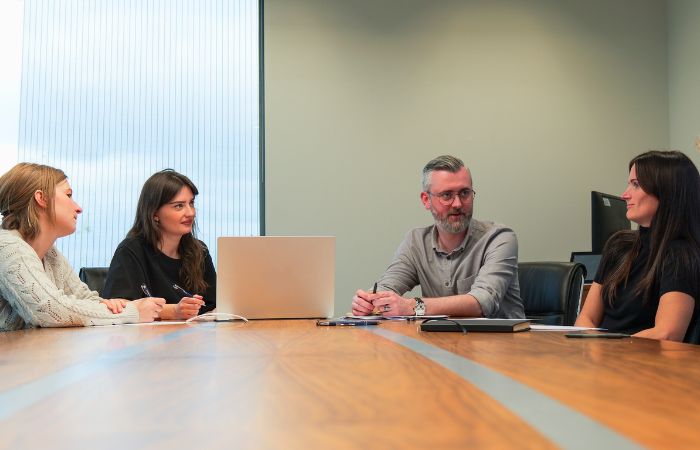
Sylvia and fellow public contributors take part in meetings held at a frequency and in formats that suit them, either online or in person. Facilitated by DHVL’s dedicated PPIE Coordinator, these sessions enable participants to provide feedback throughout the research lifecycle, including:
- Early Project Ideas: Offering initial impressions and suggestions to help shape the direction of research from the very beginning.
- Funding Applications: Reviewing proposals to ensure they are clear, relevant, and address the needs of patients and the community.
- Study Design: Providing input on methods, recruitment strategies, and processes to make studies practical, inclusive, and patient-friendly.
- Patient-Facing Materials: Checking information leaflets, consent forms, and other communications for clarity, accessibility, and appropriateness.
- Approaches for Sharing Research Findings: Advising on how results are communicated to participants, the public, and wider communities to maximise understanding and impact.
Their lived experience is valued alongside scientific and clinical expertise, helping to ensure projects remain grounded in real-world needs. As Sylvia explains: “It feels very much like a two-way process. You feel like you're being listened to and are making a really positive contribution. It’s a way to ground the scientists and bring some common sense into their ideas, so they can succeed with their solution in a real-world setting.”
Do you want to get involved by sharing your lived experience to help shape healthcare solutions and improve care in your community?
Reach out at public.involvement@dvhl.org
Hear directly from Sylvia:
Further information:
Benefits of Contributing to Research for Sylvia
Through her work with DHVL, Sylvia has not only contributed to shaping healthcare research, but has also experienced personal growth and meaningful engagement.
Her involvement has provided her with opportunities to:
- Learn and Participate: Connecting with researchers and fellow contributors to gain new insights and understanding: “You get to know the technical jargon, but equally every patient brings their personal stories, so you learn an awful lot".
- Influence Research: Sharing her own experiences to shape how health technologies are designed, tested, and implemented, helping to drive tangible improvements in care within her community.
- Build Confidence in Innovation: Gaining trust in the effectiveness of new healthcare solutions, such as AI tools and emerging diagnostic technologies.
- Foster Social Connections: Forming meaningful relationships with fellow contributors through shared experiences and collaboration.
- Support Local Industry: Helping Glasgow-based companies to succeed by contributing to the development and refinement of their products.
Sylvia's Impact on Projects & Innovation
PPIE delivers significant value for researchers and industry, helping to strengthen innovation and support local companies in developing healthcare solutions that can succeed in NHS and community settings.
By engaging directly with Sylvia and the wider People and Communities Group, researchers have been able to:
- Understand Lived Experience: Gaining firsthand insight into patients’ experiences of disease, diagnosis, and treatment, improving understanding of the conditions under study.
- Test Assumptions: Receiving feedback on usability, communication, and design, allowing products and approaches to be adapted for practical, inclusive, and community-relevant use to increase the likelihood of adoption.
- Strengthen Collaboration: Building stronger partnerships between researchers, clinicians, and the public, fostering trust and more robust innovation.
- Inspire Innovation: Sparking new ideas and approaches by engaging with lived experience, uncovering perspectives they might not have considered otherwise.