

Exploring Frontier and Monastic Landscapes of the Scottish Borders
Published: 27 May 2026
Arianna Magyaricsova reports on the latest Archaeology PGR trip.
On what was finally a sunny day on the 23rd of May, a group of Archaeology PGRs loaded up the minibus at the crack of dawn and set off to study the Scottish Borders as a long-term frontier landscape shaped by empire, religion, warfare, and political authority (and, as it turned out, rugby).
The itinerary brought us to four major stops within the Tweed Valley corridor: Melrose Abbey, the Trimontium Museum, Trimontium Roman Fort at Newstead, and Jedburgh Abbey. Together, these locations offered the opportunity to explore nearly twelve centuries of historical and archaeological development within a single landscape.
After a quick two-hour drive, fuelled mostly by coffee and varying levels of early morning enthusiasm, we arrived at our first stop: Melrose Abbey. Unbeknownst to us, the famous Melrose Sevens were also taking place that weekend, meaning the town was significantly busier than expected, not exactly the quiet monastic atmosphere we had imagined.
We wandered through the spectacular ruins, attempting to imagine the site in its medieval grandeur while simultaneously trying not to lose members of the group among rugby crowds and tourists. We climbed up to the bell tower to take in the surrounding landscape and discuss the abbey’s role within the Borders region, from its early monastic origins to its repeated destruction and rebuilding during centuries of conflict.
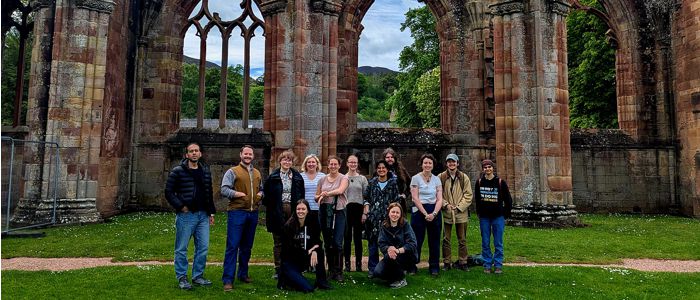
Image 1: Group photo at Melrose Abbey. Copyright: Emma Stone and the very handy tripod that made the pictures possible.
We then continued to the Trimontium Museum, which houses one of the finest collections of Roman military artefacts in Britain. Objects including cavalry equipment, weapons, medical instruments, and ritual deposits provided insight into life on Rome’s northern frontier and the archaeology of military identity and structured deposition.
After a well-deserved lunch break, we headed to the site of Trimontium Fort at Newstead. This stop was especially rewarding for the eagle-eyed Roman enthusiasts in the group, and the views towards the Eildon Hills were spectacular. Visiting the site helped materialise many of the narratives discussed earlier in the day, particularly Trimontium’s role as the high-water mark of Roman expansion into northern Britain and the strategic importance of the Tweed Valley for movement, military control, and imperial authority.
The final major stop of the trip was Jedburgh Abbey, another twelfth-century foundation of King David I situated close to the contested Anglo-Scottish border. Here, we explored the relationship between monasticism and royal authority, the role of Augustinian communities within medieval society, and the transformation of sacred architecture during periods of warfare, fortification, and post-Reformation reuse. By this point in the day, there was also a noticeable increase in sunburnt archaeologists attempting to look scholarly while applying suncream.
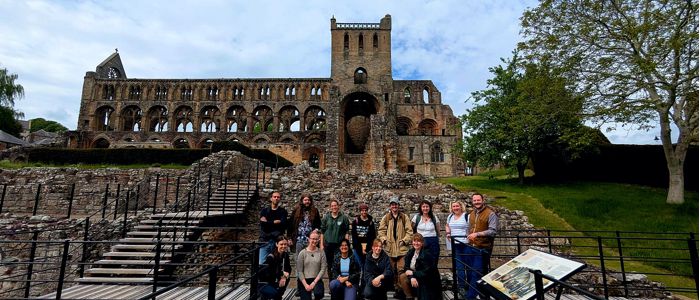
Image 2: Group photo at Jedburgh Abbey. Copyright: Emma Stone.
After a long but incredibly enjoyable day, and just a wee bit sunburnt, we headed back to Glasgow.
Many thanks to Archaeology at the University of Glasgow, Historic Environment Scotland, and the Trimontium Museum for supporting the trip.
And finally, a big thank you to everyone who participated, climbed abbey towers, survived the minibus playlists, and helped make the trip such a success.
First published: 27 May 2026
<< Latest news