

Mission analysis
Travelling through space requires enormous velocities, but the mass of propellant must be minimised.
However, the gravity fields of the sun, the planets and their moons can interact to provide paths along which spacecraft can freely travel, without the need to apply huge changes in velocity.
Our researchers are identifying these paths so we can use the most efficient trajectories and propulsion technologies to access different targets in space.
We are also looking into related concepts that can allow spacecraft to collect solar power from space, hover between the Earth and the sun using the pressure of sunlight, and even deflect asteroids onto new paths.
Researcher profiles and projects
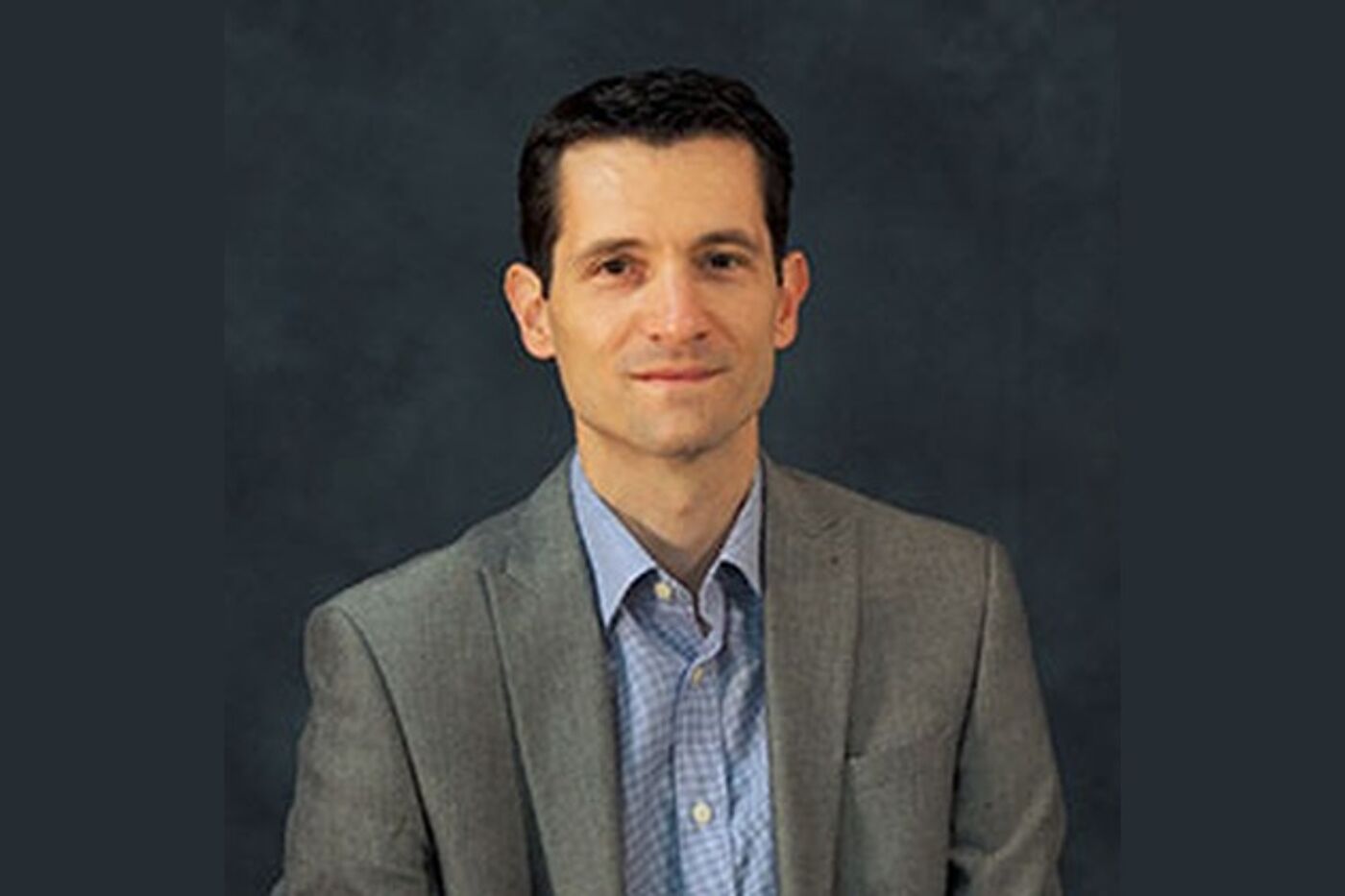
Dr Matteo Ceriotti
I develop trajectory design and optimization techniques for space missions. I exploit unconventional propulsion techniques (such as solar sailing) and natural perturbations (such as multi-body gravitational environments) to devise and enable new mission concepts.
I also use machine learning to replace conventional global optimisation techniques, reducing the computational time when the problem size is extremely vast, for example for multi-target space missions. Applications range from debris removal for sustainable use of near-Earth space to missions to asteroids for planetary science.
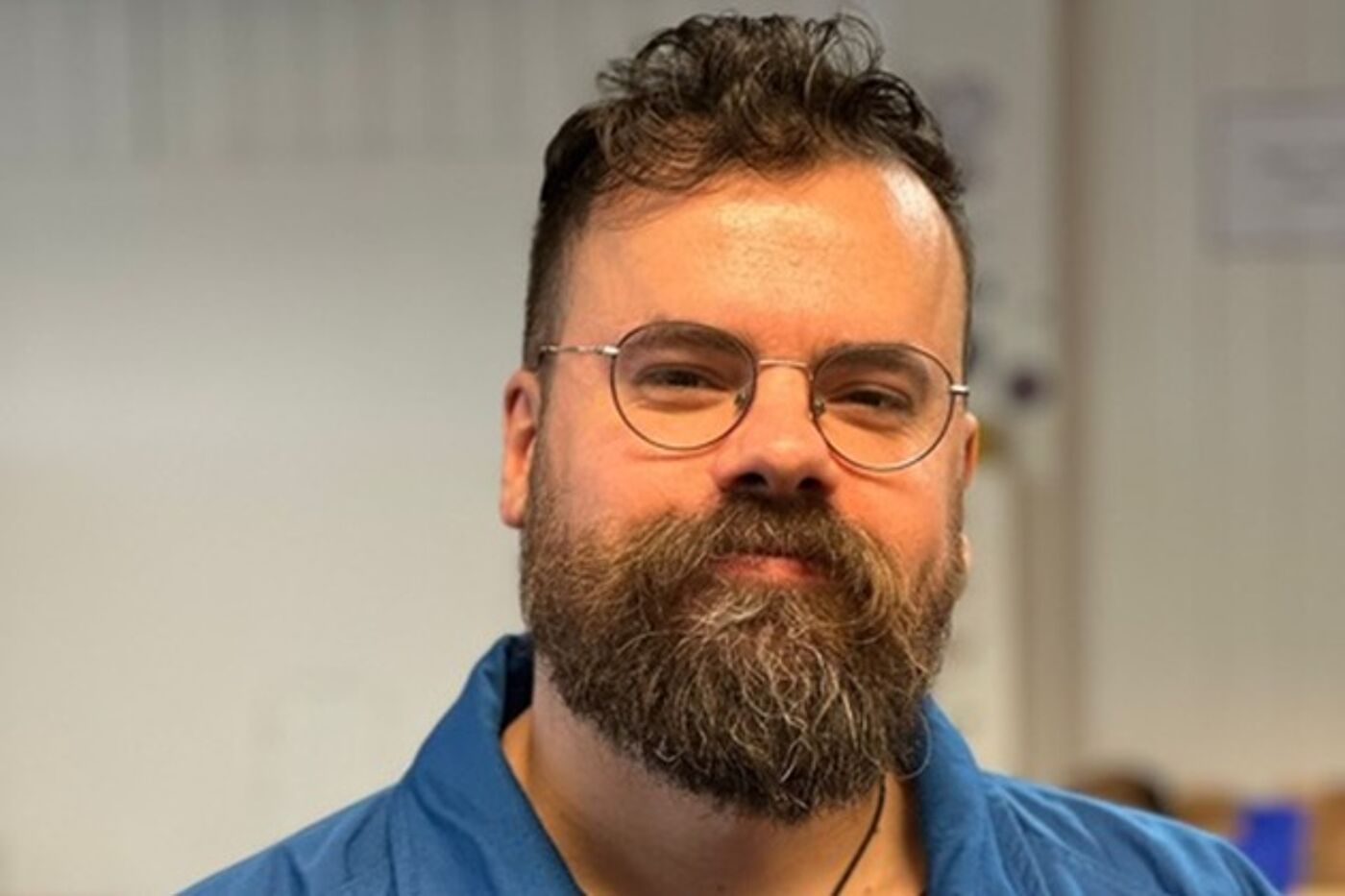
Dr Gilles Bailet
I develop innovative technologies for future space missions, with a particular focus on in-space manufacturing of large infrastructures, space sustainability and planetary exploration. My research combines inventing new technologies, flight demonstration and testing in representative space environments to understand not only how we can manufacture beyond Earth, but how those new materials, processes and infrastructures can operate safely and sustainably.
I also develop interdisciplinary space missions that bridge engineering, science, society and the arts, using space hardware as a platform for research, education and public engagement.
Projects
- In-Space Manufacturing: technologies for manufacturing and deploying large functional structures in orbit, including antennas, solar arrays and spacecraft infrastructure
- MPEC – Multi-Purpose Environmental Chamber: space-environment testing of materials and manufacturing processes under deep vacuum, extreme temperatures and mechanical loading
- Art as a Scientific Instrument: interdisciplinary spacecraft payloads using art and biological materials to investigate the space environment and engage wider communities.
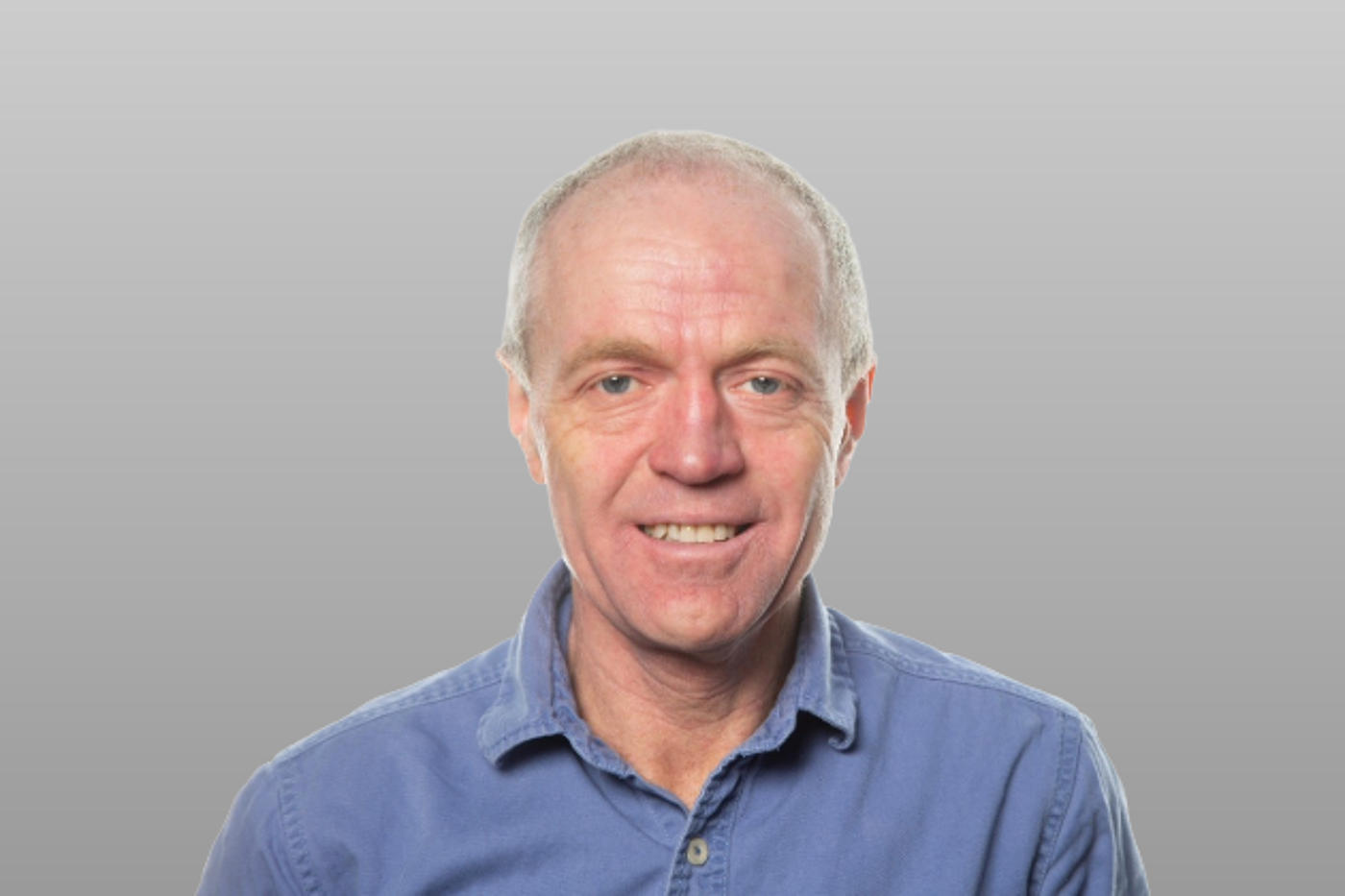
Dr David Robertson
My main space research interest is in the LISA project, a mission led by the European Space Agency to build an optical interferometer in space to measure gravitational waves from violent, distant astronomical events such as colliding black holes. The interferometer must measure pico-metre changes over distances of 2.5 million km.
In practice, I build extremely stable, precision optical systems.
My lab built the LISA Pathfinder optical bench, which was launched in 2015 and performed well beyond its expectations over its 20-month mission.
We are now collaborating with the Astronomy Technology Centre to build the optical benches for LISA.