

RSV vaccination during pregnancy reduces the risk of infant hospitalisation by around 80%
Published: 1 December 2025
New research shows that infants under three months old, whose mothers received the RSV vaccination during pregnancy, had around 80% reduced risk of hospitalisation due to an RSV infection, compared to infants whose mothers were unvaccinated
New research shows that infants under three months old, whose mothers received the RSV vaccination during pregnancy, had around 80% reduced risk of hospitalisation due to an RSV infection, compared to infants whose mothers were unvaccinated.
The groundbreaking study, published in The Lancet Infectious Diseases and led by Public Health Scotland (PHS), in collaboration with the Universities of Glasgow, Strathclyde, Edinburgh, and Oxford, details the positive impact the new RSV vaccine is having on infant health across Scotland.
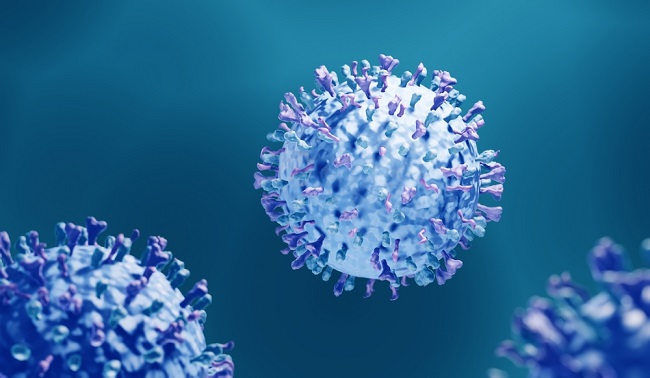
RSV is a very common seasonal illness that can sometimes be severe, especially for young babies and older adults. This year’s RSV season is underway, with cases already confirmed to be rising among infants under one year old.
The RSV vaccine, now available to pregnant women all year-round, was launched in August 2024. Women were offered the vaccine from 28 weeks into their pregnancies, which then would allow them to develop and share protective antibodies with their unborn babies. By August 2025, more than half of pregnant women in Scotland had received the RSV vaccine..
Now, results from Scotland’s maternal RSV vaccine programme study show just how much of a difference this protection can make — for babies, families, hospitals, and public health.
The study looked at the hospital admissions of infants with RSV prior to and after the vaccine programme was introduced. In 2023-24, prior to the first vaccination campaign, nearly 600 babies under three months of age were admitted to Scottish hospitals with RSV infections so severe that they struggled to breathe and feed.
In contrast in 2024-25, with similar levels of RSV infection circulating in Scotland, the research team found that children of mothers who had the vaccine had around 80% lower odds of RSV-related hospital admissions in their first three months of life, compared to unvaccinated mothers. This translates into 219 fewer infant admissions to hospital with a severe RSV-related illness during the winter period.
Crucially, this protection also included women who gave birth prematurely, when infants are most at risk of severe disease.
However, the research found that women who were vaccinated later in their pregnancies – within 14 days of giving birth – were not able to pass antibody protection to infants. The research team say this finding highlights the importance of getting the RSV vaccine as close to 28 weeks gestation as possible.
Dr Louisa Pollock, Clinical Senior Lecturer at The MRC-University of Glasgow Centre for Virus Research and Consultant General Paediatrics/Paediatric Infectious Diseases at Glasgow’s Royal Hospital for Children, said: “As paediatricians, we’re optimistic that, as more pregnant women get vaccinated, we’ll see fewer very sick babies and distressed families. If you are pregnant, you can have the RSV vaccine from your 28th week of pregnancy. I would urge you to accept it and protect your baby from this distressing and potentially very serious illness.”
RSV is a very common virus, and nearly all children will catch it before the age of two, most before their first birthdays, and some when they’re a few weeks old. Usually, RSV will cause cold or flu-like symptoms but, because babies have such small airways, an RSV infection can lead to bronchiolitis and pneumonia. The virus’s prevalence varies each year and it’s hard to predict how many infants will catch it in any one season.
Professor Antonia Ho, Professor of Infectious Diseases at The MRC-University of Glasgow Centre for Virus Research, said: “This study shows that maternal vaccination can reduce the risk of RSV-related hospital admissions by around 80% in the first 3 months of life. Since the vaccine programme started in August 2024, just over half of all eligible pregnant women have taken up the vaccine. We hope that these results will encourage more women to take up the vaccine, not only to protect their babies, but also to reduce the burden on health services over winter months.”
The study, ‘Effectiveness of the maternal RSVpreF vaccine against severe disease in infants in Scotland, UK: a national, population-based case–control study and cohort analysis’ is published in the Lancet Infectious Diseases.
Enquiries: ali.howard@glasgow.ac.uk or elizabeth.mcmeekin@glasgow.ac.uk
First published: 1 December 2025
<< December