

Our Approach to a Culture of Care
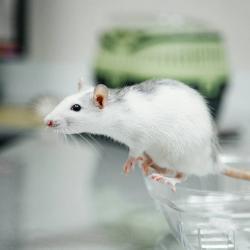 A strong culture of care goes beyond legal requirements and underpins responsible, ethical, and compassionate animal research. It reflects a shared commitment to excellent animal welfare, open communication, and the wellbeing of everyone involved in animal research - from technicians and veterinarians to students and research staff.
In practice, a culture of care means fostering an environment where people feel supported, respected, and empowered to raise concerns, improve practices, and seek advice. It encourages collaboration between research groups and animal care teams, and ensures that decisions about animal use are guided by reflection, compassion, and scientific integrity.
For animals, a culture of care means high-quality husbandry, thoughtful study design, and continual refinement of procedures to reduce pain, distress, and suffering.
For people, it means creating a workplace where training, professional development, emotional support, and psychological wellbeing are recognised as essential to good science.
By promoting these shared values, a culture of care strengthens both the ethical foundation and the scientific quality of research.
Our Culture of Care Committee
The Culture of Care Committee is sub-committee of the AWERB Committee established by the University of Glasgow to discuss topics specifically related to best practice in the care and use of laboratory animals under the Establishment Licence. The committee meets regularly to review current issues, share expertise, and develop recommendations that support high standards of welfare and ethical practice.
While meetings are held for committee members rather than the wider staff population, the group welcomes suggestions for topics or concerns that colleagues may wish to raise. This helps ensure that discussions remain relevant, timely, and reflective of the needs and experiences of the wider research community. Outcomes, discussions, and recommendations from the subgroup are reported back to the main AWERB, with the aim of informing university guidance and supporting continual improvement.
Our committee currently has more than a dozen members, representing a broad range of roles across the university, including Animal Welfare Representatives, Research Scientist Representatives, Animal Technicians, Human Welfare Representatives, and designated positions such as a Chairperson, Clerk, and Events Coordinator. This diverse membership ensures that a variety of perspectives are brought together to support both animal welfare and the wellbeing of staff and students.
Through collaboration, shared learning, and reflective practice, the Culture of Care Committee works to promote best practice and embed a strong, positive culture of care throughout the university’s animal research community.
Meet your committee members (requires login)
Some examples of the Culture of Care across UK institutions: