

Conference to examine how rewilding is reshaping nature and heritage
Published: 18 May 2026
Leading voices from across the UK will be exploring how the rapid rise of rewilding is transforming both the natural environment and the historic landscapes that define it.
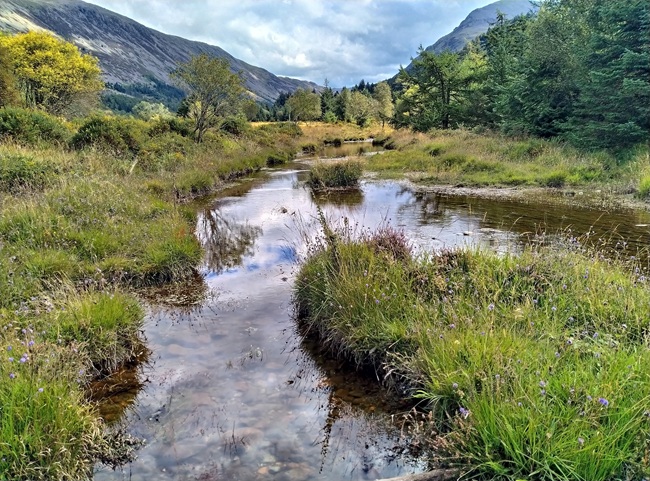
Leading voices from across the UK will be exploring how the rapid rise of rewilding is transforming both the natural environment and the historic landscapes that define it.
Taking place at the University of Glasgow and led by archaeologist Professor Nicki Whitehouse, Into the Wild: exploring rewilding, nature-based land use and the historic environment, will bring together researchers, practitioners and policymakers from archaeology, geography, nature conservation, land management and policy.
Together, they will examine one of the most significant changes in land use in decades and what it means for both nature and heritage.
Rewilding, which centres on restoring natural processes and allowing ecosystems to recover, is gaining momentum as governments respond to climate change and biodiversity loss. But across the UK, these changes are happening in landscapes shaped by thousands of years of human activity, from prehistoric settlements to agricultural systems and industrial heritage.
The conference, taking place on 21 and 22 May 2026, has been organised by Into the Wild: rewilding and the historic environment research network to open urgent debate on how these natural and cultural dimensions can be understood and managed together.
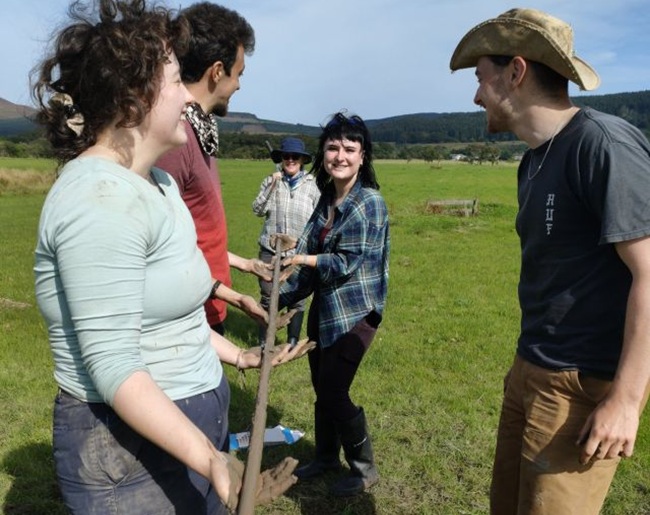
Professor Nicki Whitehouse, Professor of Archaeological Science at the University of Glasgow, said: “Rewilding is one of the most exciting and transformative developments in how we respond to climate change and biodiversity loss, but it is not just about nature. It is about people, history and place.
“As we rethink how land is used, we have a unique opportunity to bring together different kinds of knowledge. Archaeology gives us a long-term perspective on how landscapes have changed, how people have adapted and how environments respond to pressure. That insight is essential as we plan for the future.”
Professor Kate Welham, Professor of Archaeological Sciences, Bournemouth University, said: “Researchers in our Archaeology and Anthropology group are delighted to be part of this collaboration. By bridging disciplines, it highlights how insights from the past can shape more resilient and effective nature-based approaches for the future.”
Dr Kim Ward, Lecturer in Human Geography at the University of Plymouth, said: “There is a need within rewilding narratives to create space for reflection on long-term cultural landscapes and for storytelling that reconnects and re-roots people within nature. This network provides an important opportunity to help begin to open up that space.”
Dr Hannah Fluck, Senior National Archaeologist at the National Trust, said: “As an organisation caring for places rich in nature and history we are constantly exploring ways we can draw on the richness of the archaeological record to support our ambitions to restore nature. This workshop is hugely helpful in being able to both share what we have learned about putting this into practice but also learning from others.”
The conference, on the 21 and 22 May 2026 at the University of Glasgow, hopes to promote dialogue and knowledge exchange around the relationships between the historic environment, land use and nature-based approaches. While there is a particular focus on rewilding, the conference will also explore related approaches such as nature recovery, biodiversity net gain and net zero strategies.
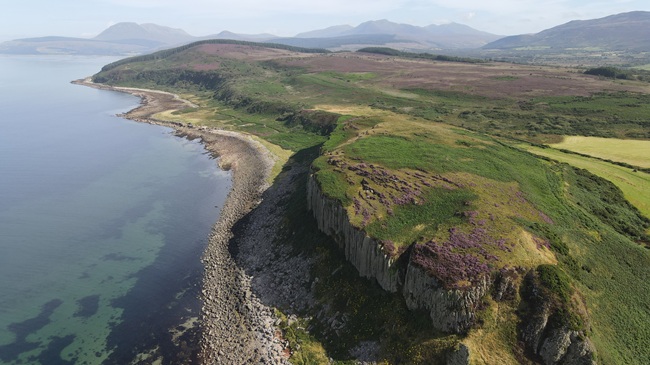
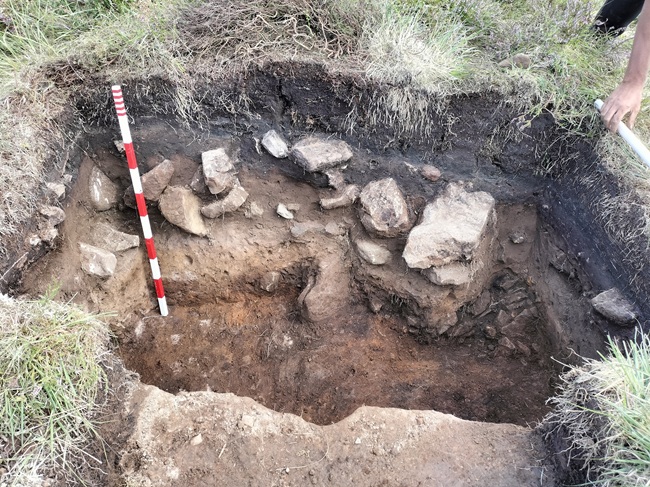
The wider research through the Into the Wild: rewilding and the historic environment research network includes collaborative case studies such as the Drumadoon project on the Isle of Arran, where interdisciplinary teams work with landowners to integrate archaeological research with rewilding and land management. This research is helping to inform future decision making by balancing biodiversity, carbon storage and heritage protection.
David Bennett, Estate Steward at Drumadoon Estate, Isle of Arran, said: “Rewilding at Drumadoon Estate on the Isle of Arran offers a unique opportunity to combine archaeology, agriculture, and regenerative tourism to showcase how we can rethink and live with nature in a more sustainable way.
“By exploring and understanding the ancient landscape and earlier land practices, we can try to ‘relearn’ better ways to co-exist, inspire others, and build new bridges between communities.”
Into the Wild: exploring rewilding, nature based land use and the historic environment conference
The conference Into the Wild: exploring rewilding, nature based land use and the historic environment will take place at the University of Glasgow on 21 and 22 May 2026.
The event. organised by archaeologists from the University of Glasgow; Bournemouth University, University of Plymouth and National Trust, will bring together researchers, practitioners and policymakers from archaeology, geography, nature conservation and land management to explore how the historic environment intersects with rewilding and wider nature based approaches.
Further information and registration details at: bit.ly/IntoTheWildGlasgow
Into the Wild: rewilding and the historic environment research network
The conference forms part of the Into the Wild: rewilding and the historic environment research network, funded by the Royal Society of Edinburgh (Award ID 3251).
Led by Professor Nicki Whitehouse at the University of Glasgow, the network brings together researchers and practitioners from archaeology, cultural geography, nature conservation, land management and policy to better understand how nature-based approaches such as rewilding interact with historic landscapes and archaeological remains.
Research partners include the University of Glasgow, Bournemouth University, University of Plymouth and the National Trust, alongside a wide group of collaborators including landowners, heritage professionals and conservation organisations. The project is supported by a broad network of organisations and contributors across the UK.
Further information about the project is available at: https://intothewildnetwork.glasgow.ac.uk
First published: 18 May 2026