

First detection of Usutu virus in Scotland
Published: 1 April 2026
Usutu virus (USUV) has been identified in blackbirds in Scotland for the first time through the Animal and Plant Health Agency’s national passive wild avian surveillance programme (APHA), in collaboration with the Mosquito Scotland research programme led by the University of Glasgow
Usutu virus (USUV) has been identified in blackbirds in Scotland for the first time through the Animal and Plant Health Agency’s national passive wild avian surveillance programme (APHA), in collaboration with the Mosquito Scotland research programme led by the University of Glasgow.
Usutu virus is a mosquito borne virus, which stems from the same family of viruses which can cause Dengue, Yellow fever and West Nile virus. It is transmitted by mosquitoes, with the main carrier for the virus being wild birds. The virus has been known to cause significant Blackbird population declines in many European countries, including the UK and Europe.
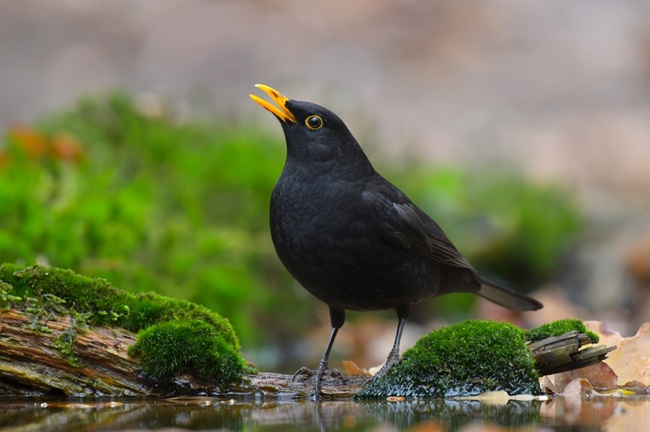
Usutu virus has been circulating in the Southeast of England for six years and there have not been any human cases to date, the risk to public health remains very low. Usutu very rarely causes symptomatic disease in humans.
Andra-Maria Ionescu, APHA National Reference Lab for Vector Borne Diseases manager, said: “The detection of Usutu virus in Blackbirds in Scotland shows that countries further North are now facing an increased risk of mosquito-borne viruses.
“These findings highlight importance and need for improved, nationwide wild bird and mosquito surveillance to better assess the risks posed to animal and human health. APHA continues to remain at the forefront in the fight against this disease.”
Surveillance was conducted by the Vector-Borne disease group at APHA in collaboration with SRUC Veterinary Services and the Mosquito Scotland research programme led by the University of Glasgow. Samples were provided to APHA following local residents on the Isle of Arran observing a cluster of blackbirds that had displayed neurological signs or were found dead during the summer of 2025.
Professor Heather Ferguson, Mosquito Scotland project lead at the University of Glasgow, said: “Mosquito-borne diseases are increasingly likely to get a foothold in the UK, including in Scotland, as our environment continues to change. In Scotland, we should take this finding as an opportunity to invest in robust surveillance systems to boost preparedness for detection and response.
“It is fortunate that this detection of Usutu in Scotland has coincided with when the Mosquito Scotland project is running. When news of suspicious Blackbird deaths consistent with Usutu came through, we were able to almost immediately deploy a team of experts to Arran for rapid follow up and investigation. This allowed us to confirm the presence of several different mosquito species near the locations where infected birds were found, including several known to be capable of spreading Usutu.”
The public are urged to continue reporting any dead birds, particularly songbirds, owls or any bird showing neurological signs. People are also encouraged to keep their gardens free of any stagnant water to minimise any mosquito breeding grounds particularly now that we are entering the mosquito active season which runs from April to October.
Enquiries: ali.howard@glasgow.ac.uk or elizabeth.mcmeekin@glasgow.ac.uk
First published: 1 April 2026