

Resources toolkit released to deepen engagement with forests and climate challenges
Published: 12 February 2026
Three Words for Forest, the acclaimed verbatim play exploring the uncertainties facing UK forests in a time of climate change, has launched a suite of new resources.
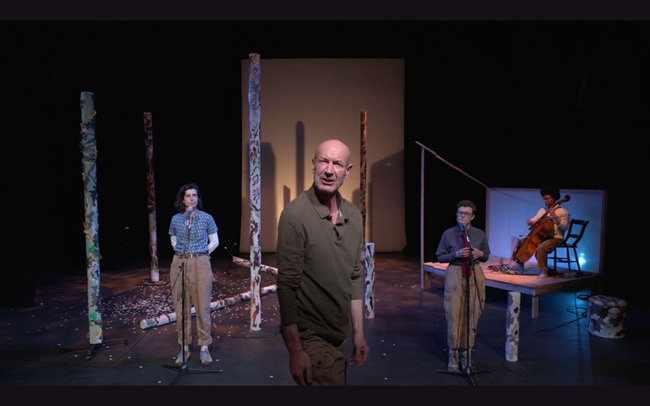
Three Words for Forest, the acclaimed verbatim play exploring the uncertainties facing UK forests in a time of climate change, has launched a suite of new resources.
These free materials are designed to help forestry organisations, communities and schools engage more deeply with the issues raised in the production. The play draws on interviews with 30 forestry professionals to understand the uncertainties they and the forests they work with are facing in the current global climate crisis.
Developed with partners including Govanhill Baths in Glasgow, Green Routes Stirling, Forest Research, the UK Centre for Ecology & Hydrology and Mearns Castle High School, East Renfrewshire, the new resources offer tools for discussions, teaching and creative exploration.
The resources were formally unveiled at a launch event bringing together young people, community groups, researchers and forestry sector representatives.
Three Words for Forest: Exploring Uncertainty in a Time of Climate Crisis has been developed by the University of Glasgow’s Professor Deirdre Heddon and Dr Rachel Clive, in collaboration with an interdisciplinary research team, UK and European forestry specialists and a professional creative team.
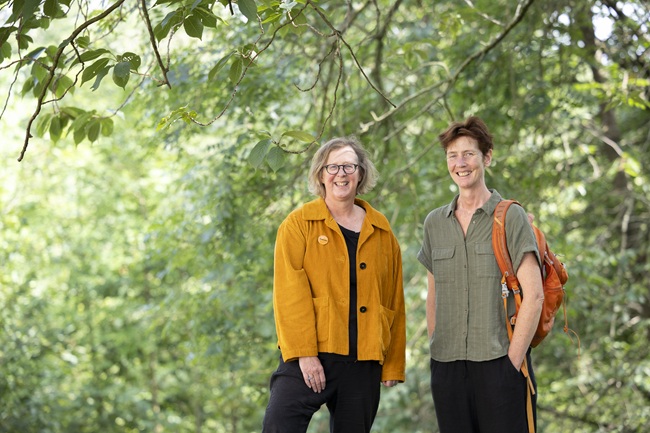
The new suite of resources, available on the Three Words for Forest website, includes screening and discussion templates, lesson plans and creative workshop guides, all shaped through collaboration with forestry, educational and community organisations to support meaningful engagement with forest-related issues.
The project received funding from Arts and Humanities Research Council (AHRC) to widen access to and engagement with the filmed theatre production through creating audio-described, British Sign Language interpreted and supported viewing formats alongside resources.
Professor Deirdre Heddon, the project’s Principal Investigator and James Arnott Chair in Drama at the University of Glasgow, said: “One of the clearest messages from our research is that people want to know more about forests but often feel disconnected from the conversations and decisions shaping their future. The verbatim theatre play and the new resources created are designed to change that by helping schools, communities and young people build a stronger sense of forest citizenship.”
Dr Rachel Clive, the Creative Lead of the play who worked intensively with disabled experts and community organisations to create the accessible film versions and learning resources, said “We’re delighted to celebrate the launch of the resources with so many of the people and organisations who have collaborated with us along the way. We hope that these will open up new opportunities to engage with trees and forests in accessible and creative ways. The resources can also support more open conversations across issues that can sometimes be quite polarising.”
Georgina Godolphin, Teacher of Learning Support, Drama and English at Mearns Castle High School, said: “During this fantastic collaboration with the University of Glasgow we have been able to creatively explore our relationships with trees and forests and understand more about the challenges they are facing through climate change. Three Words for Forest is a brilliant stimulus for the exploration of many topics, including native and non-native trees, what we can do to help the forests, and the wide range of careers available across the forestry sector. It's been a real pleasure to work with the play.”
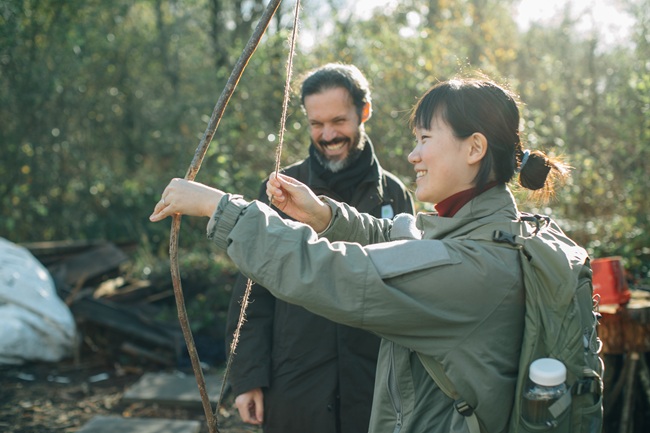
The Creative Canopies project at Govanhill Baths Community Trust collaborated closely with the Three Words for Forest team, sharing their interest in how people form long‑term, meaningful relationships with trees and local environments.
Simone Stewart and Jeong Lee from the Creative Canopies project said: “We were very honoured to partner with the Three Words for Forest team. We learned a great deal from observing Three Words for Forest’s approaches to public engagement, especially how their artistic outcomes created space for reflection, dialogue and a sense of stewardship.”
The launch event brought together the partners who helped shape the new materials, including teachers and pupils from Mearns Castle High School; community members from Govanhill Baths Community Trust, Empower Women for Change, Isaro and Centre 81, Clydebank; staff, students and volunteers from Green Routes Stirling; representatives from forestry and conservation groups including Forest Research; UK Centre for Ecology and Hydrology; The Conservation Volunteers; Royal Scottish Forestry Society; students from the Glasgow University Environmental Sustainability Team and The James Hutton Institute, Aberdeenshire.
The play and new resources are part of the Future of UK Treescapes programme and its newLEAF project, which explored how trees adapt to climate change - and the role of humans in that process. The newLEAF project, which was funded from 2023 to 2025, helped to support the UK government’s net-zero ambitions by exploring how trees, woodlands and forests can become more resilient to climate change, disease, and land-use pressures. With only 13% of the UK covered by woodland, the government has pledged to plant millions of trees annually. But resilience depends on informed decisions and public awareness and engagement.
About Three Words for Forest
Led by the University of Glasgow, the play draws on 30 interviews with professionals working across the forestry sector. The play has been shared widely and the resources now supporting further engagement have been co-created with a wide range of collaborators,across the UK including Govanhill Baths, Glasgow; Green Routes, Stirling; Mearns Castle High School, The Conservation Volunteers, Outdoor and Woodland Learning Scotland and Forest Research.
The play and resources are available at https://threewordsforest.org.uk
newLEAF
The newLEAF project is led by Dr Stephen Cavers and draws together experts in ecology, evolutionary biology, forest pathology, epidemiology, economics, social science, data science, mathematics and the arts.
First published: 12 February 2026