

Growing evidence that freshwater wildlife is impacted by microplastics
Published: 17 February 2026
Researchers have found more evidence that microplastics are impacting freshwater wildlife in different countries around the world
Researchers have found more evidence that microplastics are impacting freshwater wildlife in different countries around the world.
A new study, led by the University of Glasgow and published in the journal Environmental Research, documents the presence of microplastics in the droppings of freshwater birds nesting in different sites in Europe. The results shed more light on the extent of the impact of microplastics on the natural environment.
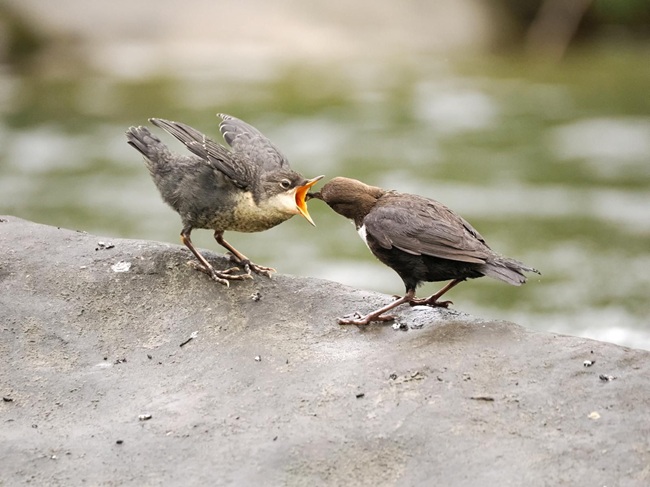
The research team focused on a small freshwater bird, the White-throated dipper, a species known for recolonising formerly heavily polluted rivers. Using non-invasive sampling techniques, researchers tested the concentration of microplastics in the faeces of birds nesting across Scotland and in the Basque Country in Spain.
After analysis they found that microplastics, mostly fibres, were detected in 62.5% of nesting broods, with higher concentrations found in the birds nesting near to urban or agricultural land, as opposed to natural landscapes such as forests. The results were the same for both the birds in Scotland and in Spain.
The research team also studied the birds’ body condition – a good indicator of normal growth conditions and health during early development – but found no conclusive evidence that birds with higher concentrations of microplastics in their faeces were less healthy.
There is mounting international concern about the impact of microplastics in our oceans and waters, for environment and for human and animal health. Microplastics are widely found throughout freshwater ecosystems and are known to be easily ingested by aquatic organisms. However, the impact of microplastics on freshwater birds is less well understood.
Dr Pablo Salmón, lead author of the study from the University of Glasgow, said: “Overall, our findings highlight the widespread presence of microplastics in freshwater birds living near urban or agricultural landscapes. However, our findings also indicate no short-term effects of microplastics on nestling growth.
“Until now, most microplastic research has focused on larger seabirds or waterfowl. Our new study demonstrates that even small freshwater birds can ingest microplastics. Further research is needed to understand the long-term health implications of microplastics on these birds and other freshwater wildlife.”
Colette Martin, first author of the study, said: “This highlights the importance of monitoring even small freshwater birds to understand environmental pollution and its potential effects.”
The study, ‘Microplastic exposure and body condition in White-throated dipper (Cinclus cinclus) nestlings across anthropogenic landscapes in Scotland and the Basque Country (Spain)’ is published in Environmental Research.
Enquiries: ali.howard@glasgow.ac.uk or elizabeth.mcmeekin@glasgow.ac.uk
First published: 17 February 2026