

Pushing Boundaries in Animal Health
From your beloved pet at home to wild animals across the world, the University of Glasgow is a world-leader in global animal health research and gifts like yours are helping us get closer to finding solutions to the most pressing challenges. Among the work taking place at Glasgow’s Garscube campus, is research into feline infectious peritonitis (FIP), a disease which affects both domestic and exotic cats.
“FIP is caused by feline coronavirus (FCoV), and until recently it was invariably fatal” “It mainly affects younger animals and can be a harrowing experience for families who have recently acquired a new kitten which deteriorates in health rapidly," says lead researcher Dawn Dunbar. Fortunately, effective anti-viral drugs are now available and so, if diagnosed quickly, there is a high chance of a cure. However, FIP is difficult to diagnose and there is no single, simple diagnostic test available.”
The Luca Fund
The team at UofG are working to improve the diagnosis of FIP and this work has been supported by donors such as Maria S Bonino. Maria first heard about FIP when her own beloved cat, Luca (pictured), tragically became unwell.
“When Luca first became ill in 2013, no one could figure out what he had,” explains Maria. ”Eventually FIP was mentioned and I started to research the condition. This is how I first became aware of the work that is done in feline virology at Glasgow.
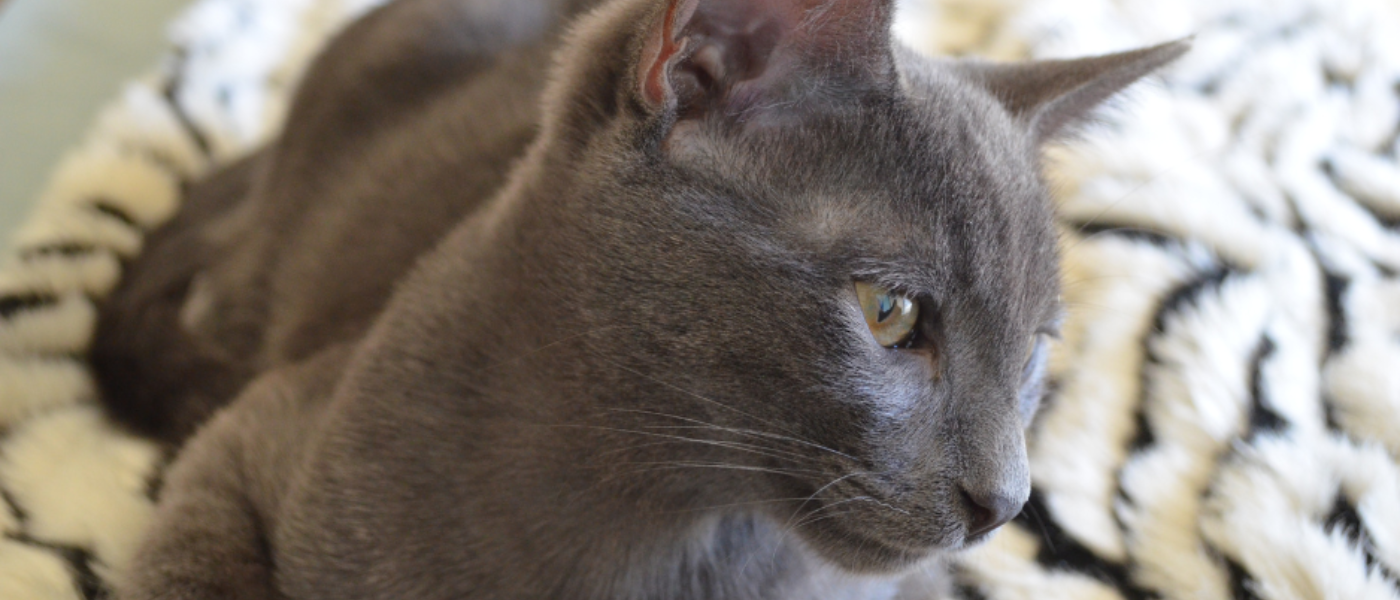
“Right before I kissed Luca for the last time, I made a promise that I would dedicate myself to finding a solution to end FIP. It was a few months after his untimely passing that I contacted the team at UofG and the lines of communications were opened.
“I soon realised that what needed to be accomplished was bigger than me and my efforts. I wanted to build a platform that would allow us to fundraise and support ethical and humane FIP research and in 2018, the Luca Fund launched.
“As well as addressing FIP, the Luca Fund supports training opportunities for young researchers. promotes continued investigation into viral disease in cats and has supported other projects. In October 2023, the cat ward at the Small Animal Hospital at the vet school was named after Luca to mark his 10th anniversary and the Luca Fund's 5th anniversary.”
Improving Diagnosis for Better Outcomes
“Philanthropic support is extremely beneficial to the investigation of diseases such as FIP together with other important animal diseases." “In the course of our work, we have contributed to the development of new tests and the identification of novel biomarkers, improving FIP diagnosis," explains Dawn.
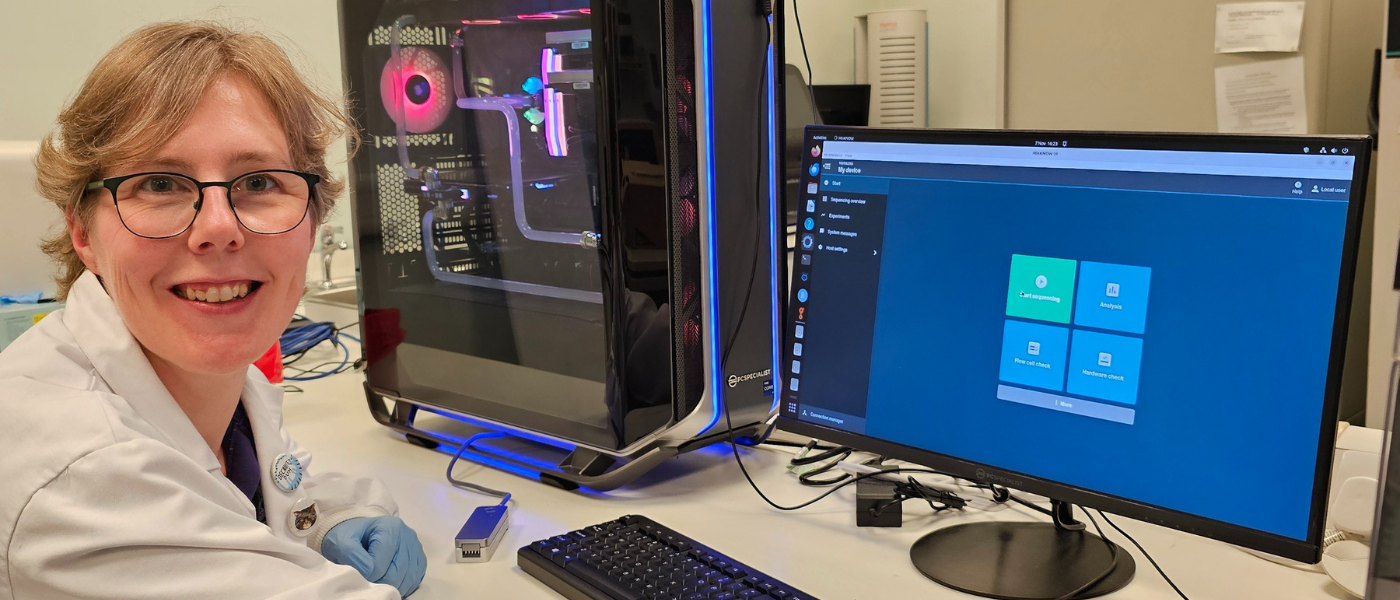
“Our current research focuses on using large-scale laboratory data which we’ve collected over many years to develop tools to improve the diagnosis of FIP. We apply machine learning to this data to create highly accurate diagnostic predictive algorithms. The support we have received from the Luca Fund has enabled us to invest in high-specification IT infrastructure to enable this type of informatic work. This has been used to process the archived data to build the machine learning models. We have now successfully published a paper describing this work and another is to follow shortly.
“We also use this computing power to analyse feline virus genomic sequence data. Support from the Luca Fund has equipped us with on-site sequencing equipment so we can generate this type of data ourselves right here in the laboratory. In addition to FCoV, we are currently studying sequence variation in other major feline viruses.”
Powering Future Research
“We share our homes and lives with our pets, however they are often overlooked when it comes to research funding,” explains Dawn. “Supporting veterinary science is a great way to assist research into the diseases of companion animals. Understanding these diseases is important not only for pet health and welfare, but also for other animals and humans through a ‘One Health’ approach, which is a major focus of research here.”
As well as providing critical equipment and driving research, your gifts are essential to the continuation of this important work. “In addition to directly supporting project work, these gifts support post-graduate training,” says Dawn. “This is important to the development of the next generation of veterinary researchers who will take us closer to the answers we need.”