

Gifts from the Past Changing the Future
Gifts in wills open doors to education, transform the student experience, shape our campus and provide facilities that support world class learning and teaching. They are also essential to catalysing world-changing research and nurturing innovative new ideas that continue to have an impact for many years to come. One such gift, a legacy gift that was made over fifty years ago, continues to support critical research into the mental health of children and young people today. Left by Irene Weir in tribute to Professor Fred Stone, a professor at UofG and a leader in child psychiatric services, this gift has supported discovery where it is needed most.
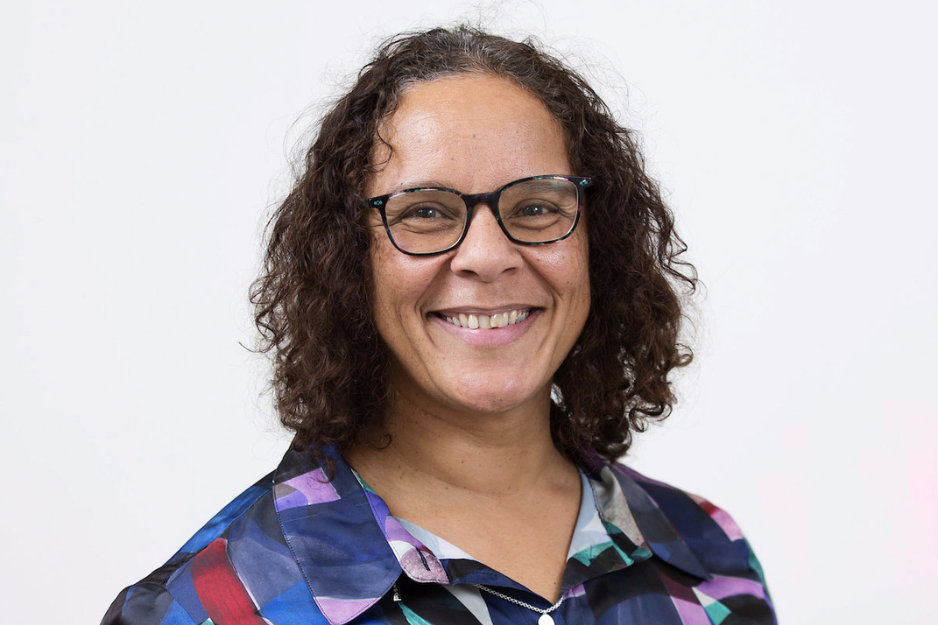
Helen Minnis, Professor of Child and Adolescent Psychiatry, is among those whose work has been supported by this legacy gift. Professor Minnis’ work focuses on the mental health problems of children and young people who have experienced abuse, neglect and other adversities in early life. She and her colleagues conduct trials of therapeutic interventions or services with the aim of helping these young people and their families.
"Our whole team focuses on the interplay between neurodivergence and childhood adversity”
“At this time, when children’s mental health is deteriorating, suicide rates are increasing and waiting lists are getting longer, our work has never been more needed. We do our best to improve understanding of each child’s unique needs so that everyone around that child can do their best to support them and their family," says Helen Minnis.
“We are also conducting clinical trials of therapeutic interventions for abused and neglected children. We have already found out that services for this group of children are a real postcode lottery and that there are no evidence-based treatments for the problems some abused and neglected children suffer from.
“One of our research breakthroughs came in 2017. Working with my colleague Clinical Psychologist Dr Ruchika Gajwani and colleagues at the Gillberg Neuropsychiatry Centre in Sweden, I found out that children who have been abused and neglected are much more likely than their peers to be neurodivergent. What was really surprising, was that the abuse and neglect did not cause the neurodivergence. Instead, additional genetic factors were causing both the neurodivergence and the abuse and neglect.
Since then, we’ve shown that people with a high genetic risk of having ADHD are at a much higher risk of also being abused and neglected.
“This has completely changed my understanding of my patients: I now realise that parents hardly ever cause their children’s underlying problems but that any of us could get really stressed by the problems some children face. Stressed parents often have stressed children and both need our compassion and support.
“Recently, we have also been focusing on developing digital tools that make assessment and diagnosis easier, or that support training and development of clinicians. We want to make it as easy as possible for everyone to support struggling children and their families.”
Supporting Essential Research
“When I came back to Glasgow after training in research psychiatry at the Institute of Psychology, Psychiatry and Neurosciences in London, there wasn’t a large group of academic psychiatrists working in Glasgow,” says Professor Minnis. “I had to try and build a group from scratch, and this legacy gift made all the difference. It allowed me to pay research participants for their time and travel and cover the costs needed to run conferences that promoted our work. The fund even filled a gap in a research study by helping us keep a member of staff in post long enough to get the study finished.
I have been eternally grateful to this donor. The difference a gift like this makes to our work is immeasurable" "Grant funding is the main funding source for our research, but when we write a grant application, we are trying to predict the cost of everything we are going to do in a study over several years. We can never predict every eventuality, and it can make a huge difference to have a fund to draw on in a crisis.”
Developing the Next Generation of Researchers
“Philanthropic gifts are crucial for the scientific and clinical development of the next generation of leaders. If a research assistant, PhD student or postdoctoral researcher wants to attend a course or present at a conference, I want to enable them to do this. This kind of funding can be the catalyst for that young scientist to develop learning and create networks that might support them for the rest of their career.
“More funding like this would enable us to pay for more PhDs and postdoctoral fellowships in child and adolescent mental health. I get at least two or three emails every month from young people all over the world hoping to come and do their PhD with us. Unfortunately, we don’t have access to the big charitable funds that are available to some sciences. Larger amounts of funding could pay for a PhD stipend or a postdoctoral fellowship so that a talented budding scientist can take that crucial step towards an exciting scientific career. I have no doubt that some of these talented scientists will make great leaps forward and develop insights and therapies that will make all the difference for struggling children and their families.”