01 SERF10 002

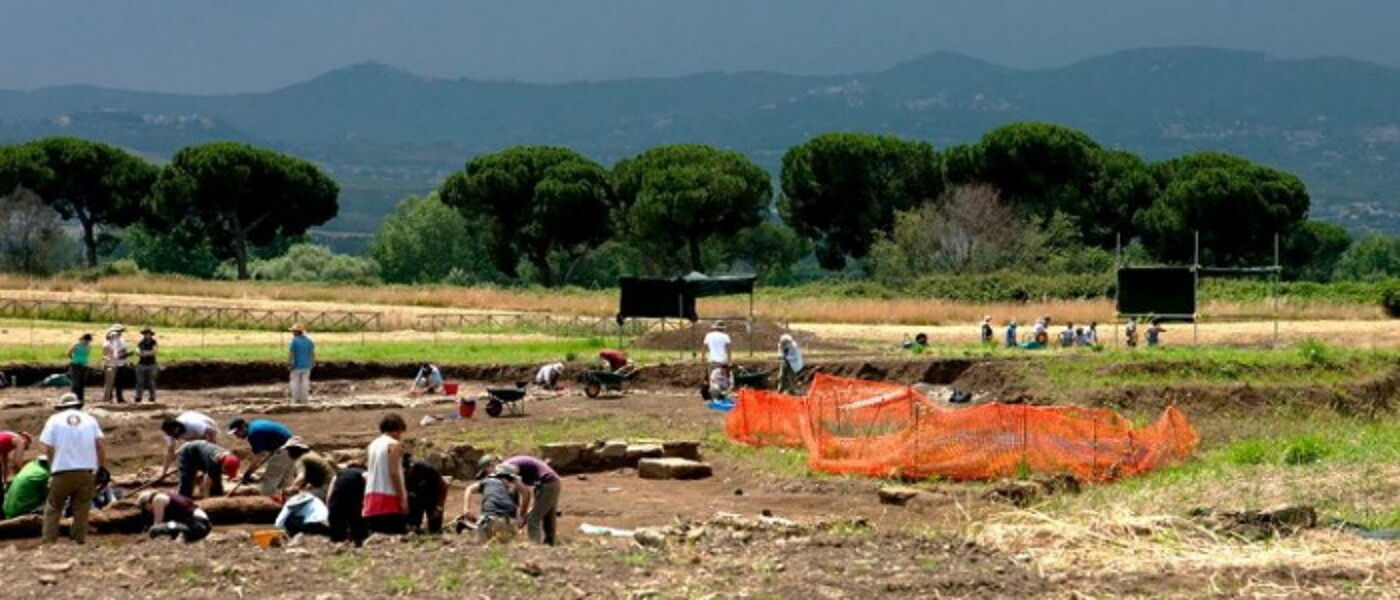
The team at our field school and major research project, Strathearn Environs and Royal Forteviot, in 2010 

02 Knapping Training

Honours and Postgraduate students receive training in experimental flint knapping at Lejre in Denmark

03 LoveArchaeology

Archaeology postgraduate students at Glasgow University run the Love Archaeology facebook page and publish the online Love Archaeology Magazine

04 IR analysis Eg sarcophagus kelvingrove mus

Nondestructive Infra Red analysis of an Egyptian mummy in the Kelvingrove Museum.

05 SERF_Castle Law_April2010 066

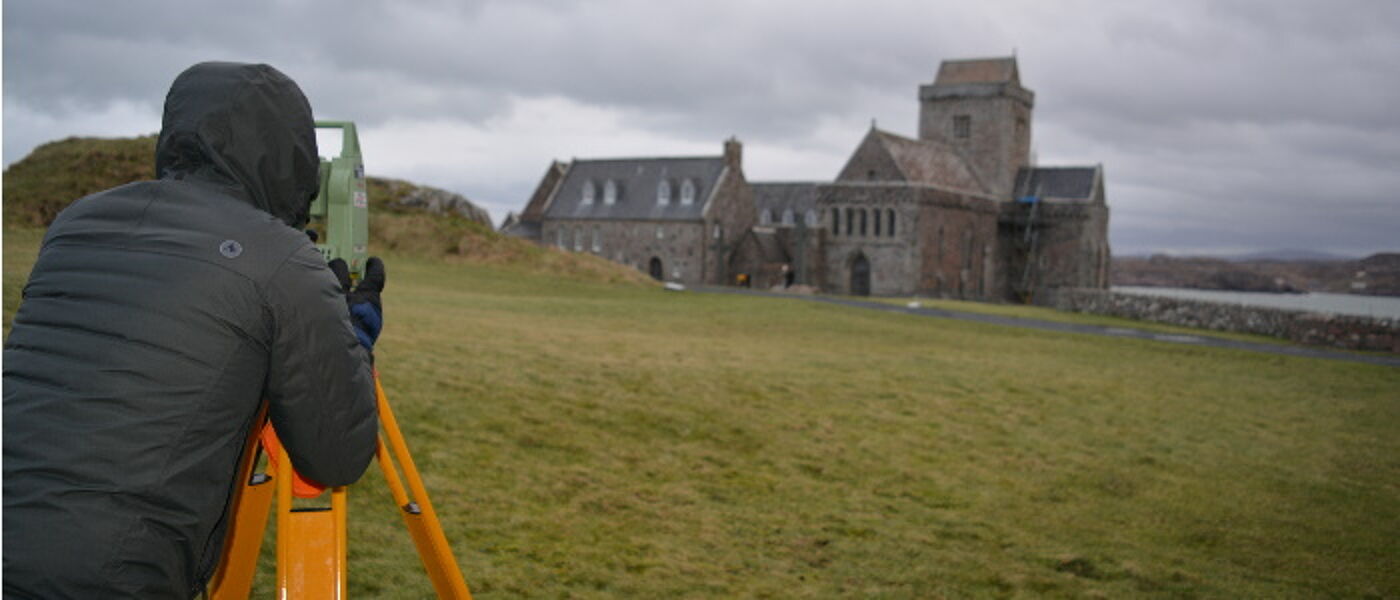
MLitt students on placement with the RCAHMS carry out a plane table survey of Castle Law, a later prehistoric hill fort, as part of the SERF project.

06 Dunadd field trip

Students on a field trip to the early Medieval royal centre of Dunadd, as part of the Level 1 Archaeology of Scotland course.

07 Picture 027

A crane prepares to lift the lid off an untouched Bronze Age cist grave, during SERF excavations in 2009.

08 Hunterian

The internationally renowned Hunterian, which is the University’s museum and gallery service, offers archaeology students courses, training sessions and objects for research.

09 TAESP D-303-03

Recording and interpreting the Cypriot landscape as part of the TAESP project.

10 Picture 016

Outreach is an important part of our activity; here a postgraduate student leads a group of students round the excavations at Forteviot

11 shooting

Masters students fire 18th-century Brown Bess muskets in ballistics experiments carried out by the Centre for Battlefield Archaeology


Archaeology at the University of Glasgow offers an exciting introduction to the study of the material remains of the past societies, linking fieldwork and laboratory analysis with theoretical reflection and sophisticated interpretation.

In recent years our staff and students could be found on such diverse activities as excavating Viking houses in Iceland, analysing ancient flowers in a Bronze Age dagger burial in Scotland, using aerial reconnaissance to map the Roman frontier in Romania, or undertaking survey work in the olive groves of Sardinia.

We are the leading archaeology department in Scotland, and came fourth in the most recent (2012) Guardian league table of UK archaeology departments.

Our students are lively and committed, and our teaching has been strongly commended in our most recent (2009) Teaching and Learning Review. We are proud of our high student satisfaction scores (96%) in the National Student Survey of 2010, and are committed to helping students with new methods such as podcast lectures and extensive web-based resources.

Through our links with national bodies, recent students have gained employment in Historic Scotland, the Archaeology Data Service, National Museums Scotland, and the Royal Commission on Ancient and Historical Monuments of Scotland, as well as in the fields of academia and business.

Strengths

  • Scottish archaeology: particularly in the Mesolithic and Neolithic periods and the Celtic, Pictish and Viking areas
  • Mediterranean archaeology: from Spain to Turkey, from Bronze Age mining to post-colonial studies
  • Hunterian: the internationally famous collections of the university museum are an excellent resource for research and teaching
  • Practical archaeology: our own field school gives students a strong grounding in excavation techniques