At any one time there are about 15 of us in the Optics research group. We cover a wide spectrum, from blue-sky research to applied commercial development. 

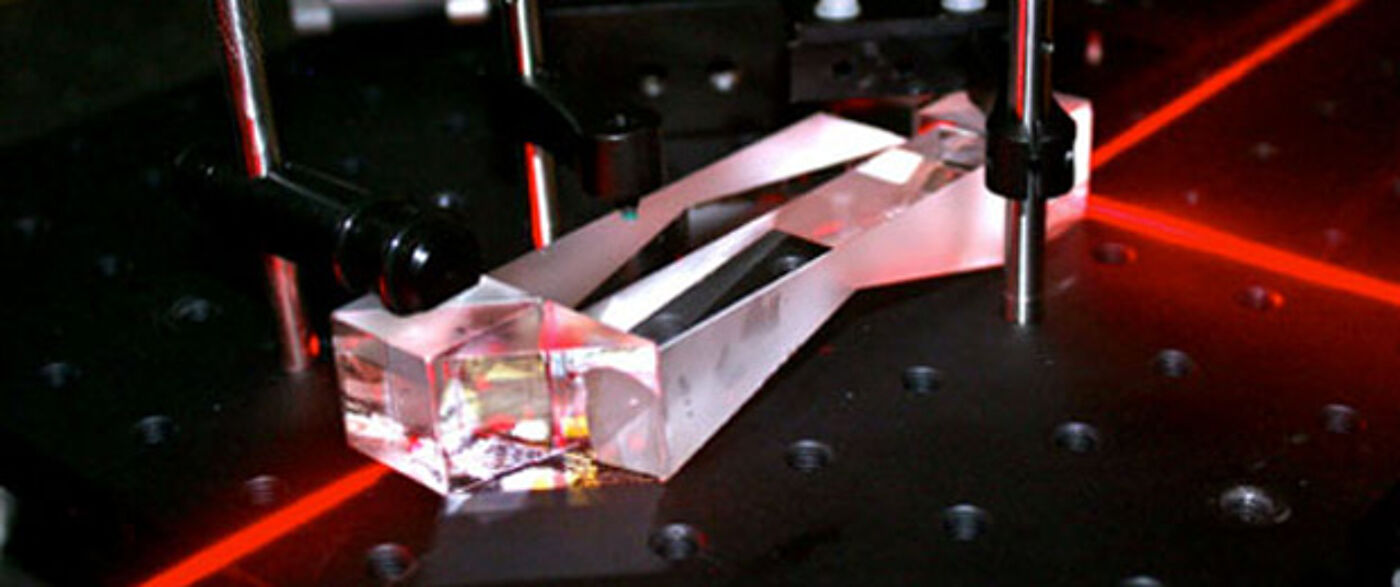
We are best known for our work on optical angular momentum (where light beams can spin microscopic objects) and our development of optical tweezers (which use laser beams to manipulate the microscopic world). We also study how tiny prisms and lenses can create strange optical transformations and how optical beams interact with cold atoms and gases.


  • Optical angular momentum

    Optical angular momentum

    As they propagate, some light beams rotate hence carry angular momentum. When light strikes a particle its radiation pressure pushes it away, but the angular momentum spins it. We use this light to power miniature machines, make tests of quantum mechanics and improve communication systems.

  • Optical tweezers

    Optical tweezers

    Light from a laser pointer can move microscopic particles like individual cells and bacteria. We use computer controlled holograms to split a single laser into many beams each controlling a particle. Using high-speed cameras we watch, listen and through advanced interfaces feel the micro world.

  • Quantum optics

    Quantum optics

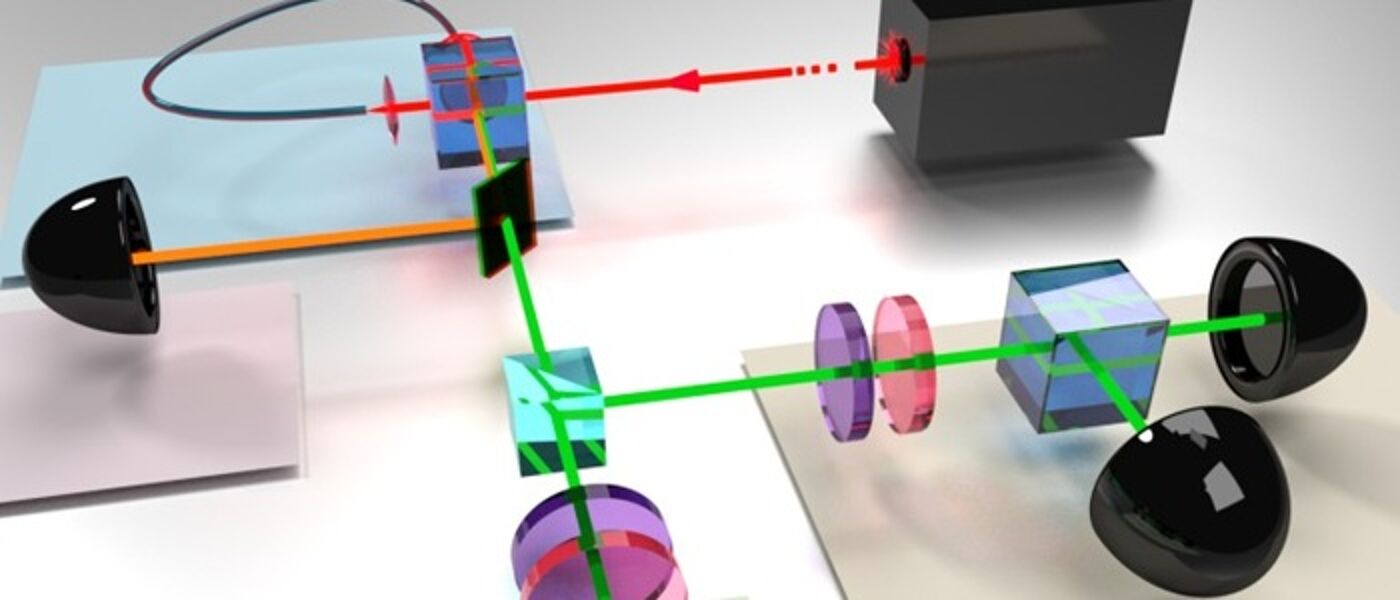
    Spooky action at a distance is the essence of quantum mechanics, linking the properties of distant objects. Using holograms we measure the shape of individual particles of light (photons). These spooky photons create new opportunities in processing, communication and imaging.

  • Atom optics

    Atom optics

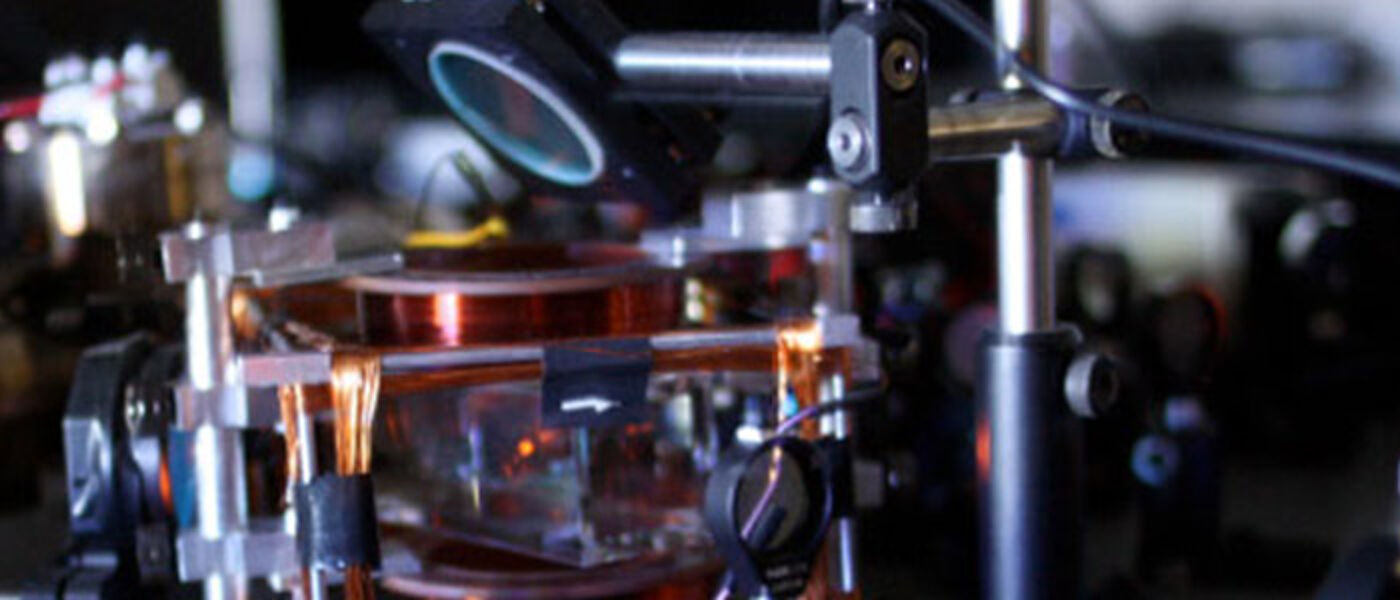
    We are investigating the interface of atoms with shaped light beams. In a magneto-optical trap we keep atoms at some 100 micro Kelvin in order to store optical quantum information in the atomic states and coherences.

  • MetaToys

    Meta toys

    We are mimicking a few of the visual properties of metamaterials using arrays of miniaturized lenses and prisms, which have many similarities with metamaterials. We call these metamaterials for light rays (METATOYs).


 ICOAM 2013 logo


Doppler shift with a twist

Writing in Science Magazine, Martin Lavery and Miles Padgett of the Optics Group with collaborators Stephen Barnet and Fiona Speirits from Strathclyde has shown that the familiar change in pitch of an approaching ambulance siren can also apply to spinning objects even when their linear velocity is zero.

read more...


International Workshop on Singularities and Topological Structures of Light

Professor Miles Padgett and Dr Sonja Franke-Arnold of the Optics Group were plenary speakers at the International Workshop on Singularities and Topological Structures of Light held at the UNESCO funded International Centre for Theoretical Physics (ICTP) in Trieste, Italy.

read more...


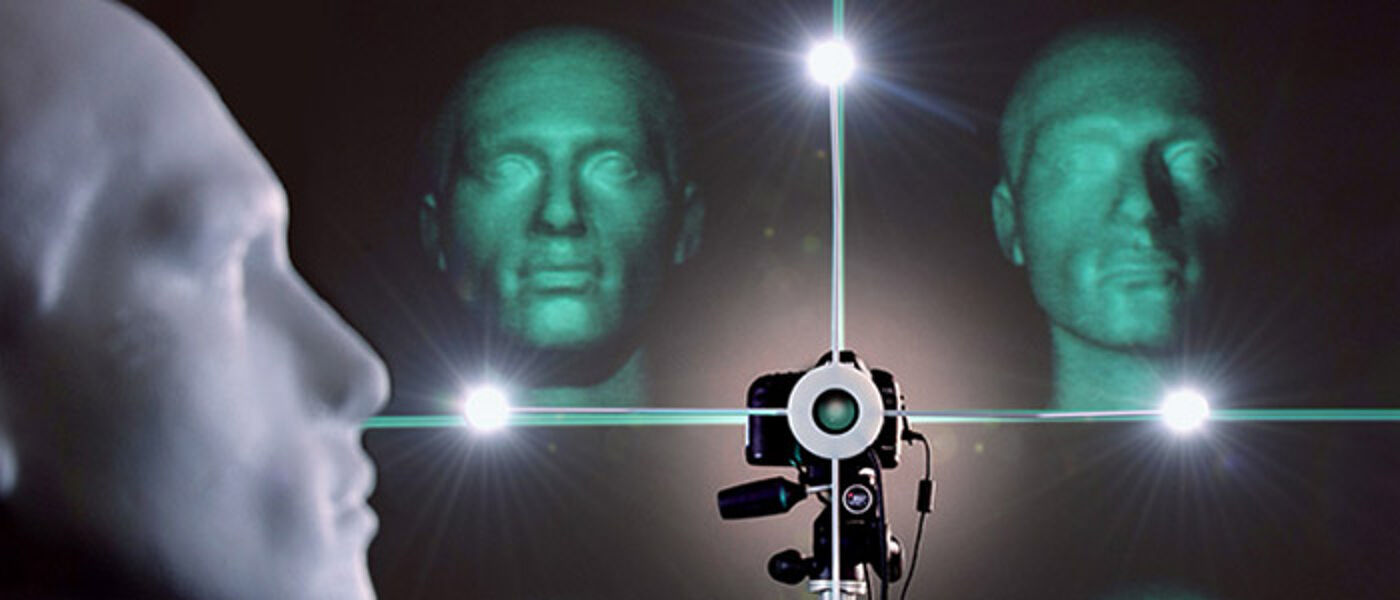
3D imaging with single pixel detectors

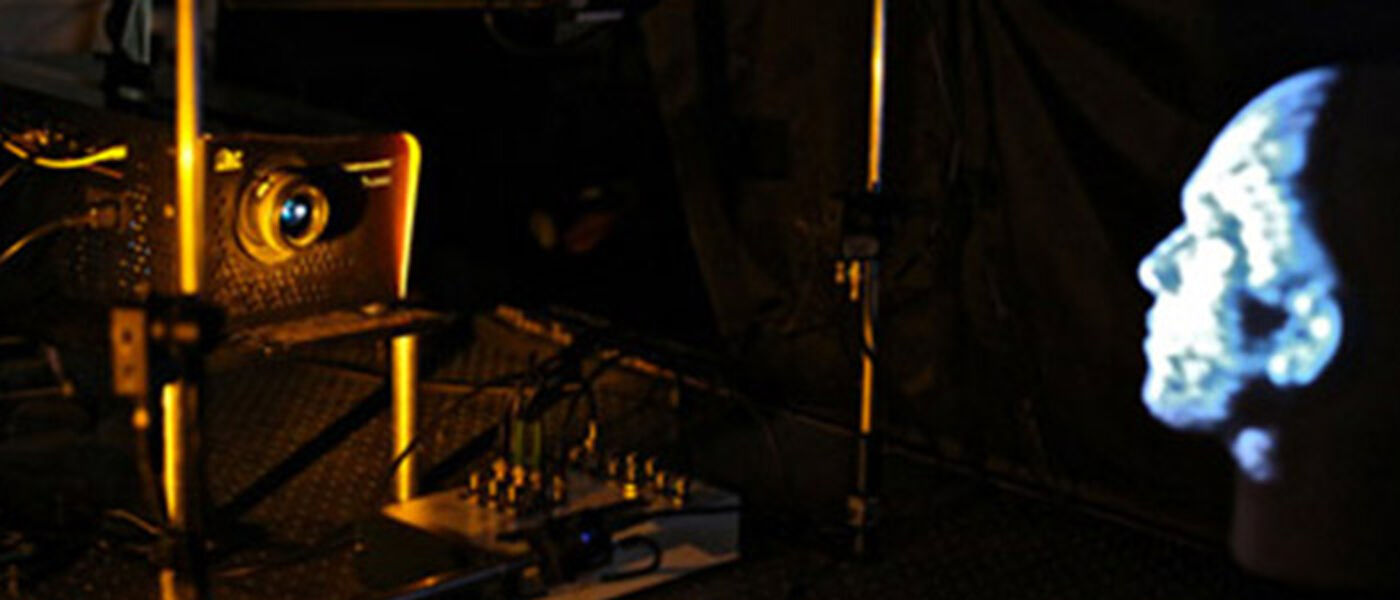
Writing in Science Magazine, Baoqing Sun of the Optics Group with collaborators in Statistics has used the projection of random patterns to measure the 3D profile of an object.

read more...


Optical patterns for secure information

Writing in Physical Review Letters, Daniele Giovannini of the Optics Group has used the technology found in data projectors to explore how secure information might be communicated using patterns of light.

read more...


Tweezers Work Well Under Pressure

Writing in Physical Review Letters, Richard Bowman of the Optics Group has optically trapped micron-sized particles at Giga Pascal Pressures – comparable to the pressures found in stars.

read more...


Optics Group to host ICOAM 2013

The Optics Group will host international conference in The Burrell Collection, one of Glasgow's historic Museums.

read more...


PhD student wins SET award in Parliament

Emma Wisniewski-Barker wins the Bronze Medal at a competition in the House of Commons, for the excellence of her physics research

read more...


More news from the Optics group can be found here..


Locations of visitors to this page